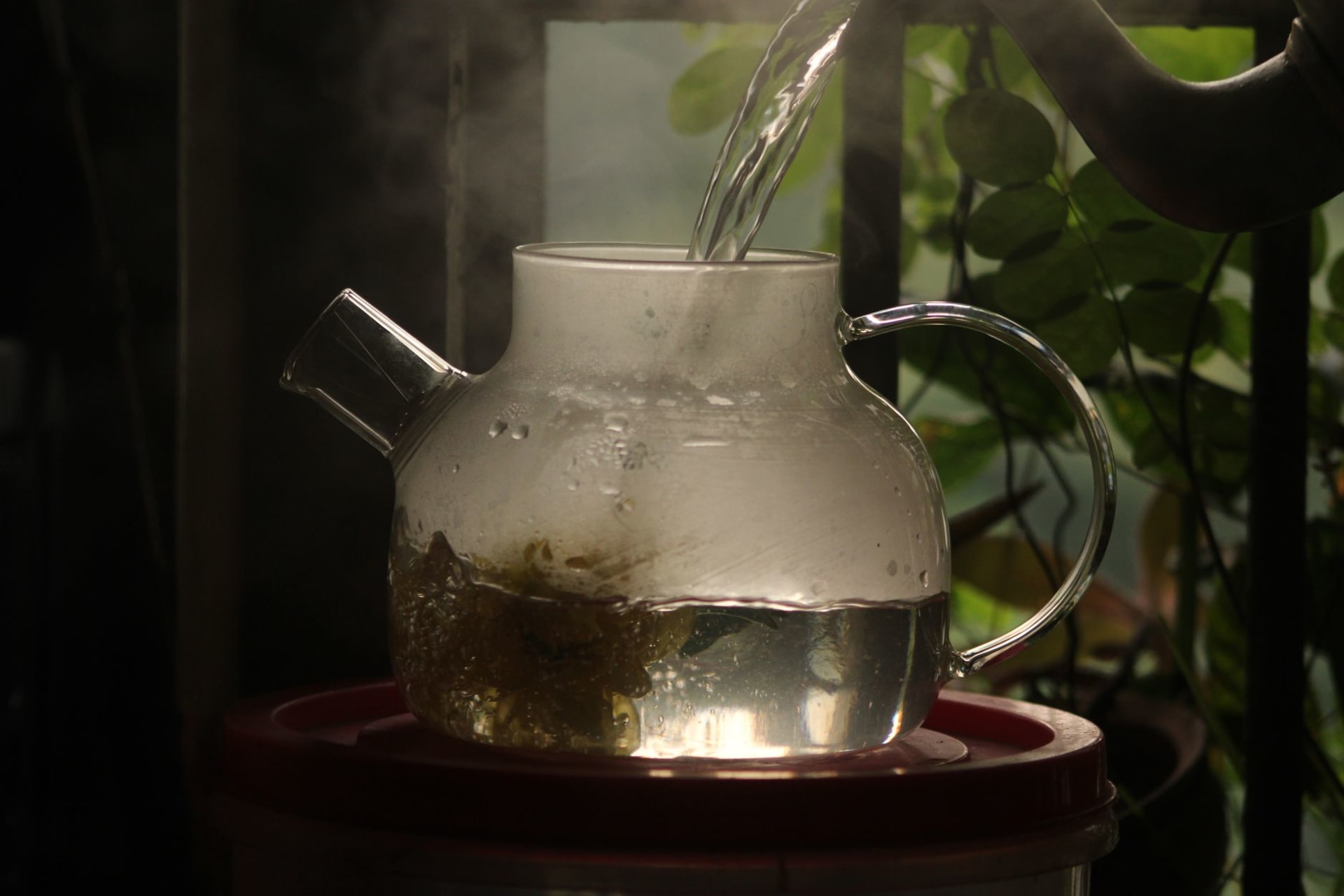
Boiling Lake
"The sulphur hits you first. Then the sound. Then you understand why they named the valley what they did."
We left the trailhead at five in the morning because my guide, a quiet man named Cuthbert who had done this walk three hundred times and spoke about it with the same careful attention on the three-hundredth as presumably the first, told me the light would be better and the lake less crowded at dawn. He was right on both counts. The trail begins in the hills above Laudat village, entering forest that is still dark and breathing at that hour — the kind of deep Caribbean rainforest where you hear far more than you see, where something is always moving just off the path in the undergrowth, where ferns the size of dining tables droop over the track and release cold water down the back of your neck when you brush against them.
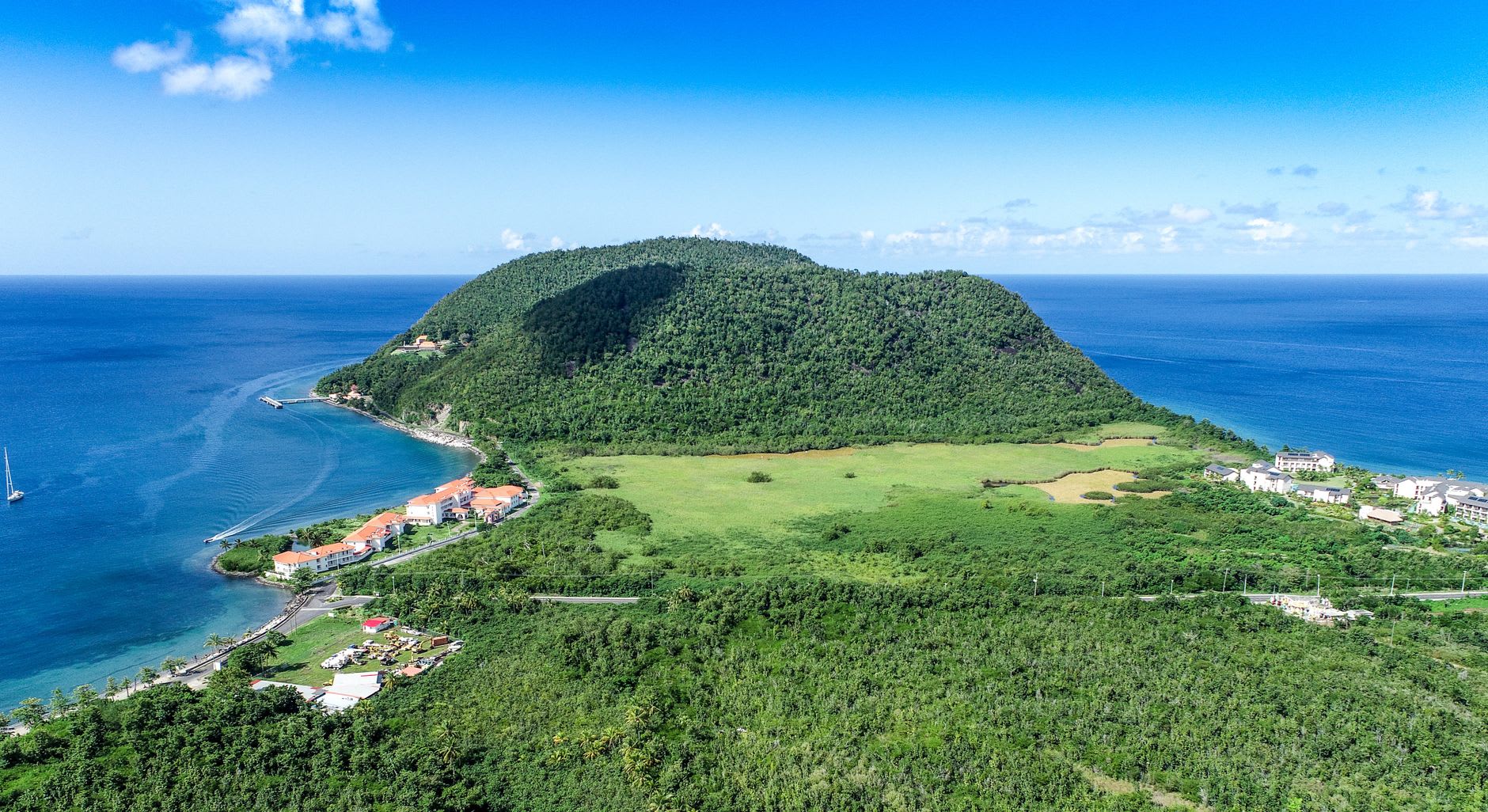
The Valley of Desolation announces itself before you reach it. The forest opens, the trees thin, and suddenly the ground is grey and smoking and the smell of hydrogen sulphide is strong enough to make your eyes water. Fumaroles vent white steam in columns from cracks in the rock. The colour palette shifts from every green imaginable to grey and ochre and an unsettling rust orange where the minerals have leached into the rock. It is an alien landscape sitting inside a Caribbean island, and the transition between the two — a literal step from lush forest into volcanic moonscape — is one of the stranger things I have experienced on any hike anywhere. Cuthbert picked his way through the steam vents with the ease of someone walking through his own kitchen, occasionally pausing to warn me away from a particular patch of ground that looked solid but wasn’t.
The Boiling Lake itself arrives after a final steep ridge. You hear it before you see it — a deep, wet churning sound that reverberates off the crater walls. Then you come over the rise and there it is: roughly sixty metres across, grey-blue and violently alive, the surface roiling and erupting in slow bursts of steam. The water temperature at the edges runs between 82 and 92 degrees Celsius. At the centre, nobody knows. The lake is fed by rainwater percolating through fissures to a magma chamber below, and it occasionally drains completely — it went almost dry in 2004 — before refilling. Standing on the rim watching it work, I felt the geological age of the thing in a way that statistics about the earth’s crust never quite convey. This was not scenery. This was the island still being made.

The return hike is four hours of aching legs and the very great satisfaction of someone who has earned their dinner. I ate callaloo soup in Laudat and drank two Kubuli beers and did not feel guilty about either. Cuthbert told me he had guided one woman who turned around three minutes into the trail. He told me this without judgment. I thought that was probably the right approach.
When to go: January through April is optimal — dry enough that the trail is manageable and visibility at the lake is reliable. The trail is open in light rain but the steep sections become dangerous after heavy downpours. Hire a certified guide; the Valley of Desolation has active geothermal zones and the path is not always obvious. Allow seven to eight hours return from the Laudat trailhead.