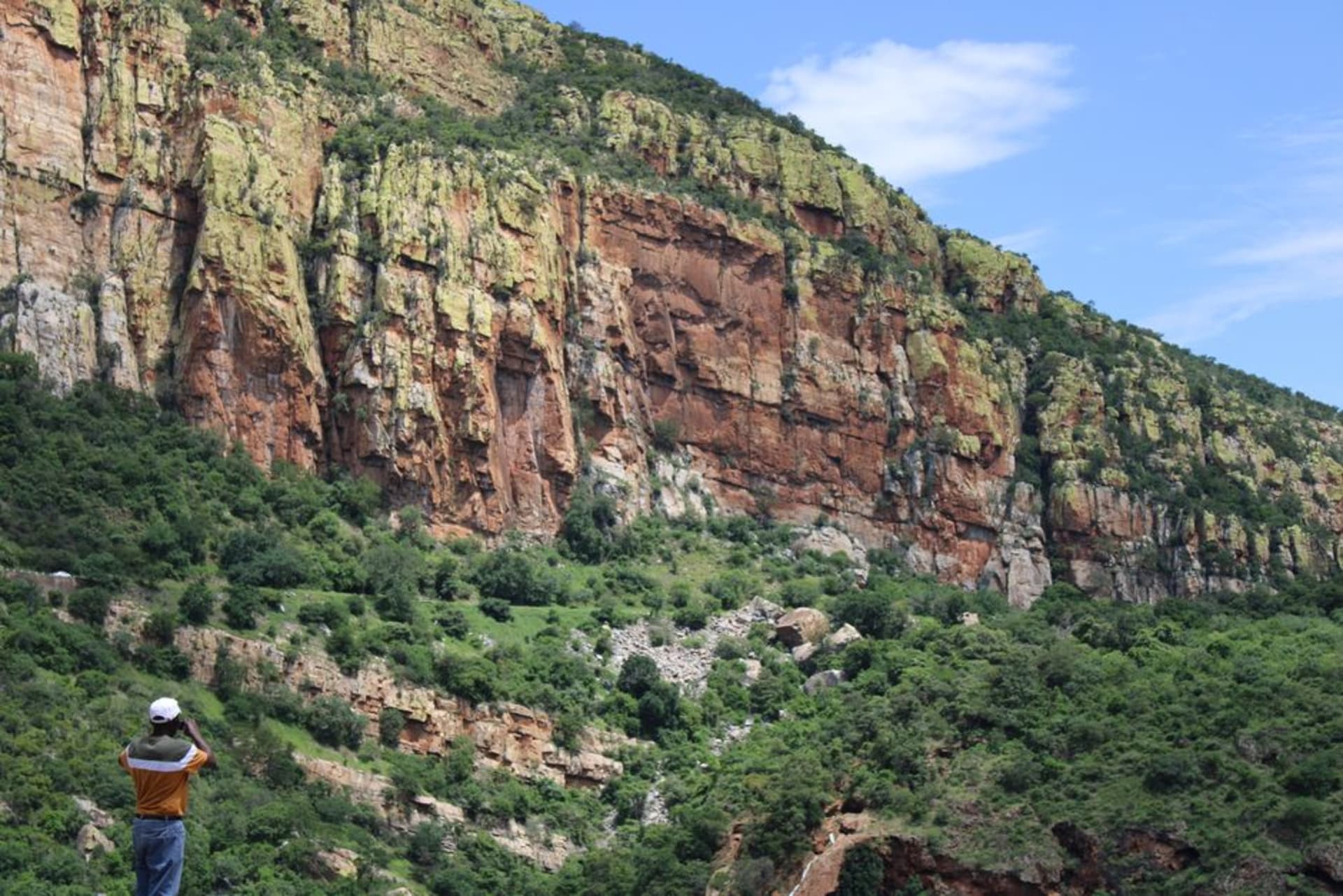
A cliffside Dogon village where a sacred cave still holds generations of layered rock paintings from initiation rites.
We reached Songo mid-morning, sweat already soaking through my shirt, and the first thing that struck me wasn’t the heat but the silence. The village sits right at the base of the Bandiagara Escarpment, its granaries and thatched-roof houses pressed so close to the rock that from a distance you can barely tell where the cliff ends and the buildings begin. Lia stopped walking before I did, just staring up at it. Our guide, a young man from a neighboring village who’d walked this stretch of the escarpment more times than he could count, let us take it in before saying a word.
He led us up a short, rocky path to the circumcision shelter, and I remember feeling almost like I shouldn’t be looking at what I was looking at. The cave is used once every three years for a ceremony that inducts boys into manhood, one of the rites that structures Dogon society itself, and the walls are covered in paintings built up over generations — masks, animals, spiraling symbols I couldn’t begin to decode. Our guide explained that new layers get painted over old ones before each ceremony, so what we were seeing wasn’t one image but decades, maybe longer, pressed on top of each other like sediment.
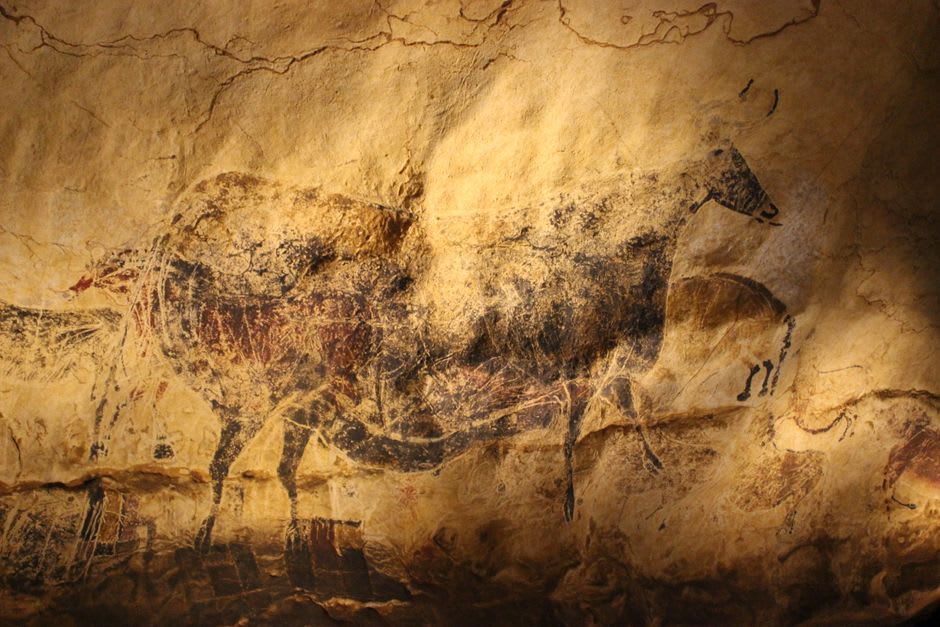
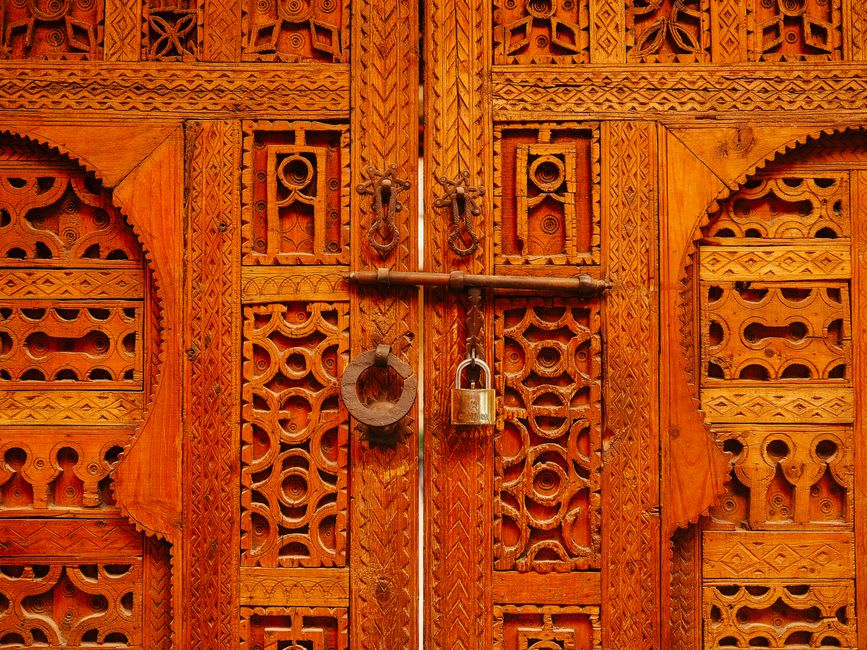
I sat on a flat rock outside the shelter for a while, just looking back down at the village. Lia was crouched near one of the granary doors, the small wooden ones carved with patterns, trying to photograph the texture of the mud brick without her hand shaking from the climb. I ate a handful of peanuts a woman had sold us on the way in and thought about how strange it was that this place — dusty, quiet, half-swallowed by rock — held something so central to how an entire people understood becoming an adult.
Songo isn’t a place you linger for days; it’s a stop along the trekking route between Bandiagara and the villages further down the escarpment line, and that’s exactly how it felt to us — a pause, a held breath, before the trail kept going. But it’s stayed with me longer than some places we spent a full week in.
When to go: We went in the dry season between November and February, and I’d recommend the same — the heat is more forgiving for the climb up to the shelter, and the roads leading into Dogon Country hold up far better than during the rains.