Africa
Dogon Country
"Standing on the escarpment edge, time stopped making the kind of sense I was used to."
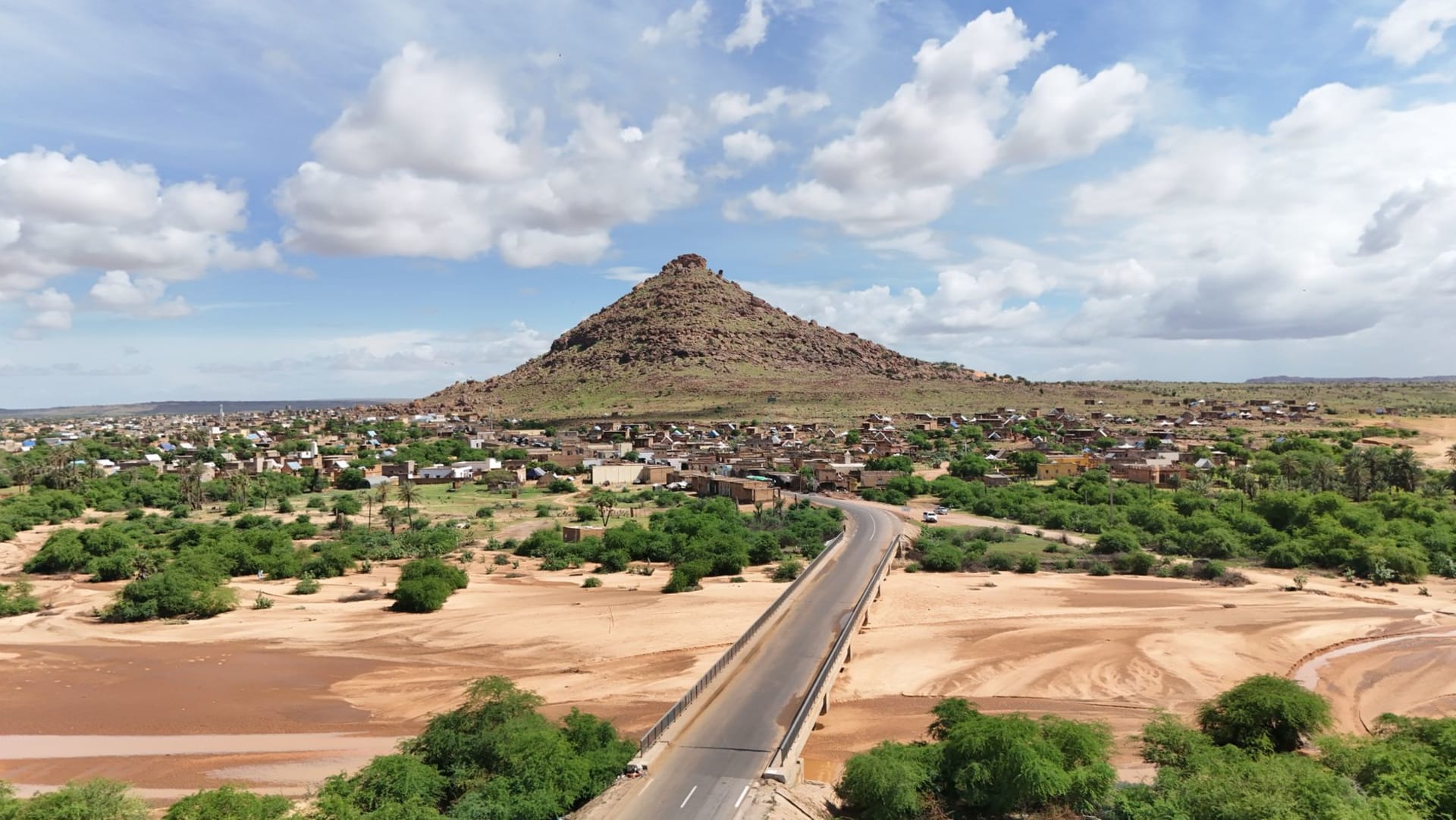
The first thing you notice arriving in Dogon Country is the silence between sounds. You reach Bandiagara by bush taxi from Mopti — a rattling, overcrowded Peugeot 505 that deposits you in a market town smelling of dried fish and red dust. Then you walk. The escarpment reveals itself gradually: a wall of sandstone cliffs, ochre and pink, rising 500 meters above the plain, and pressed into every crevice along its face are villages that have clung there for seven centuries. The Dogon moved to these heights to escape the slave raids of the Mossi and Fulani kingdoms. The fortification outlasted the threat by generations, and the people stayed.
Visiting the villages on foot — Tireli, Yougou-Piri, Ende, Teli — each has its own togu na, the low-roofed men’s meeting house where only seated conversation is possible, a deliberate constraint to keep tempers down. The toguna pillars are carved with figures: hermaphroditic ancestors, crocodiles, the Nommo water spirits. My guide Sékou, whose grandfather had been a hogon — a village priest — explained the Dogon cosmology with the matter-of-fact patience of someone describing rainfall: Sirius has a companion star, dense and small, that orbits it every fifty years. They have known this since before the telescope existed. Whether this is ancient observation or colonial-era retrofitting remains genuinely disputed among anthropologists, and Sékou enjoyed the ambiguity more than I did. He had heard both arguments and found my need for a definitive answer very French.
The food is millet — millet porridge, millet flatbread, millet beer — served by women in indigo cloth who will not look directly at you on ceremonial days. In the evenings, the plain below the escarpment turns violet and the fires in the grain granaries glow orange through their thatched roofs. Nothing about Dogon Country is easy to reach or easy to decode. That is exactly the point.
When to go: November to February — the harmattan winds carry dust but the heat is manageable and the sky turns a particular coppery white at dusk. Avoid March to May when temperatures exceed 45°C in the valley. The Sigui ceremony occurs every sixty years (next around 2027) and is the single most significant Dogon ritual event; if you have any flexibility, plan around it.
What most guides get wrong: They treat Dogon Country as a museum. The same itineraries, the same village stops, the same crocodile pond at Amani staged for tourists. The Dogon population is facing real pressure — climate change, the Sahelian conflict spillover from the north, young people leaving for Bamako and Abidjan. The most meaningful visits come from slowing down: spending three nights in one village instead of one night in three, hiring local guides rather than Mopti-based agencies, eating with families. The cliff villages are extraordinary, but Dogon Country is first a living culture, not an archaeological site.