
Bandiagara
"In Bandiagara you are still a traveler. One day later, you feel like a guest."
The bush taxi from Mopti deposited me at the Bandiagara market sometime before noon — I had stopped trusting my watch around Sévaré — and the first thing I noticed was the sound. Not just the market noise, which was considerable, but the particular echo it had, bouncing off mudbrick walls and returning slightly altered. I had been in West African markets before, but Bandiagara had a quality of finality to it, like a place that knew it was the last of something. Beyond the stalls selling dried baobab and cheap fabric from China, the escarpment sat on the horizon, pink and ochre, waiting.
The market runs every five days and draws Dogon farmers from the plateau villages, Fulani herders from the plain, and Bozo fishermen from the river. I spent my first afternoon wandering its lanes, past sacks of millet and pyramids of dried fish so pungent they made your eyes water pleasantly, past a woman selling small iron tools whose function I could not identify, past a man with a table of second-hand watches who offered me tea and spent forty minutes telling me about his cousin in Lyon. Not Paris — Lyon. He seemed proud of the specificity.
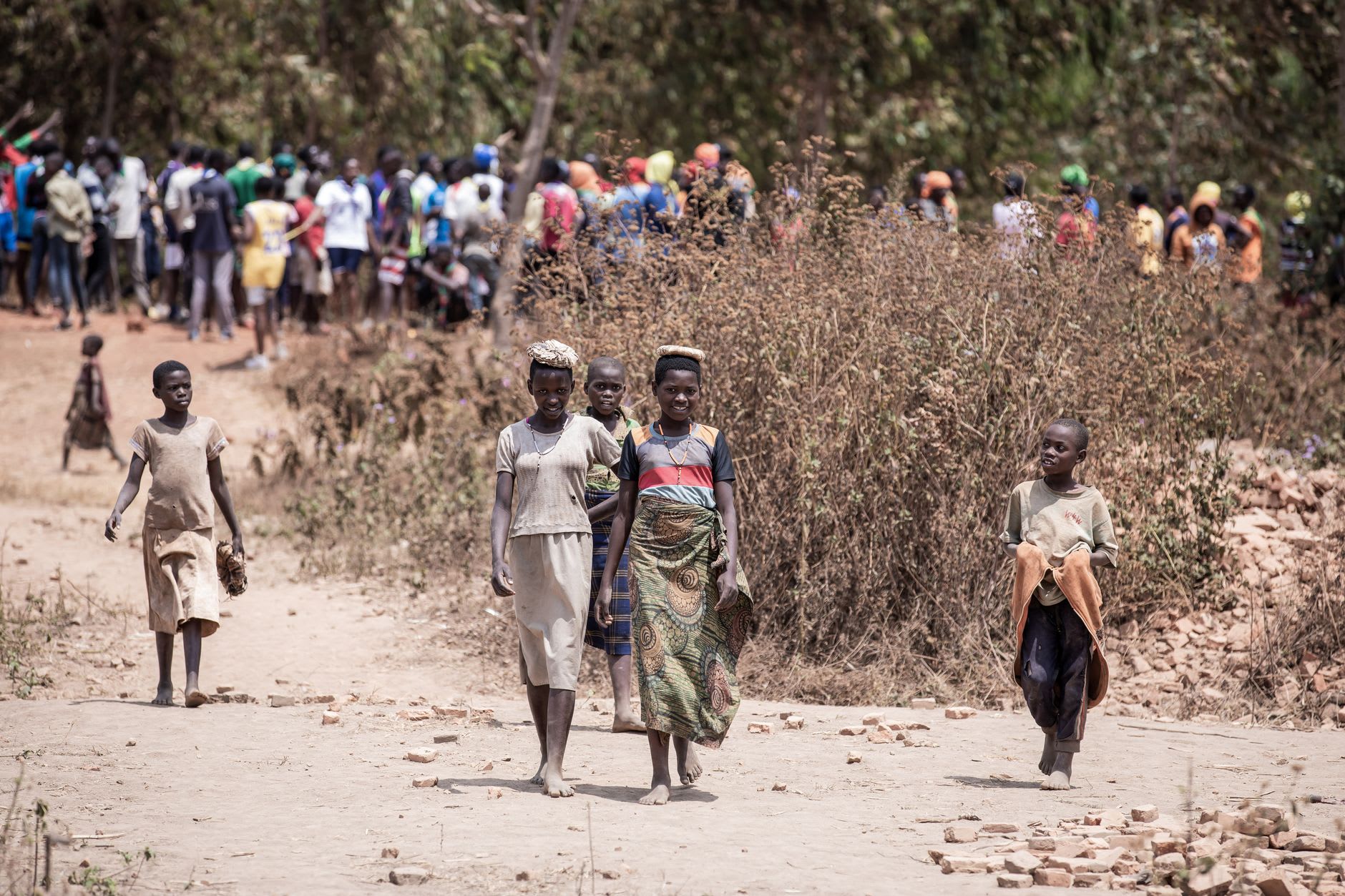
In the evenings, the town contracted. Guesthouses around the central square filled with trekkers comparing itineraries, French NGO workers drinking tea on the same plastic chairs as everyone else, and local guides who were already quietly assessing who looked serious and who would demand the same four villages that appear on every tourist blog. I hired Sékou not through a guesthouse but through a recommendation from a man selling onions, which felt like the right way to do it. Sékou turned out to be from a hogon family — the priestly lineage — and had the particular quality of unhurried certainty that comes from knowing exactly who you are.
There is a part of Bandiagara the guides do not take you to: the northern quarter where the mosque’s speaker crackles the call to prayer over streets that empty completely in minutes. I walked there early one morning while my porridge was cooling and found a group of old men sitting around a transistor radio, listening to something in Bambara, saying nothing to each other. The escarpment was visible at the end of the street, already lit gold by the early sun. It looked like a stage set. It looked like a wall built to keep the modern world out.
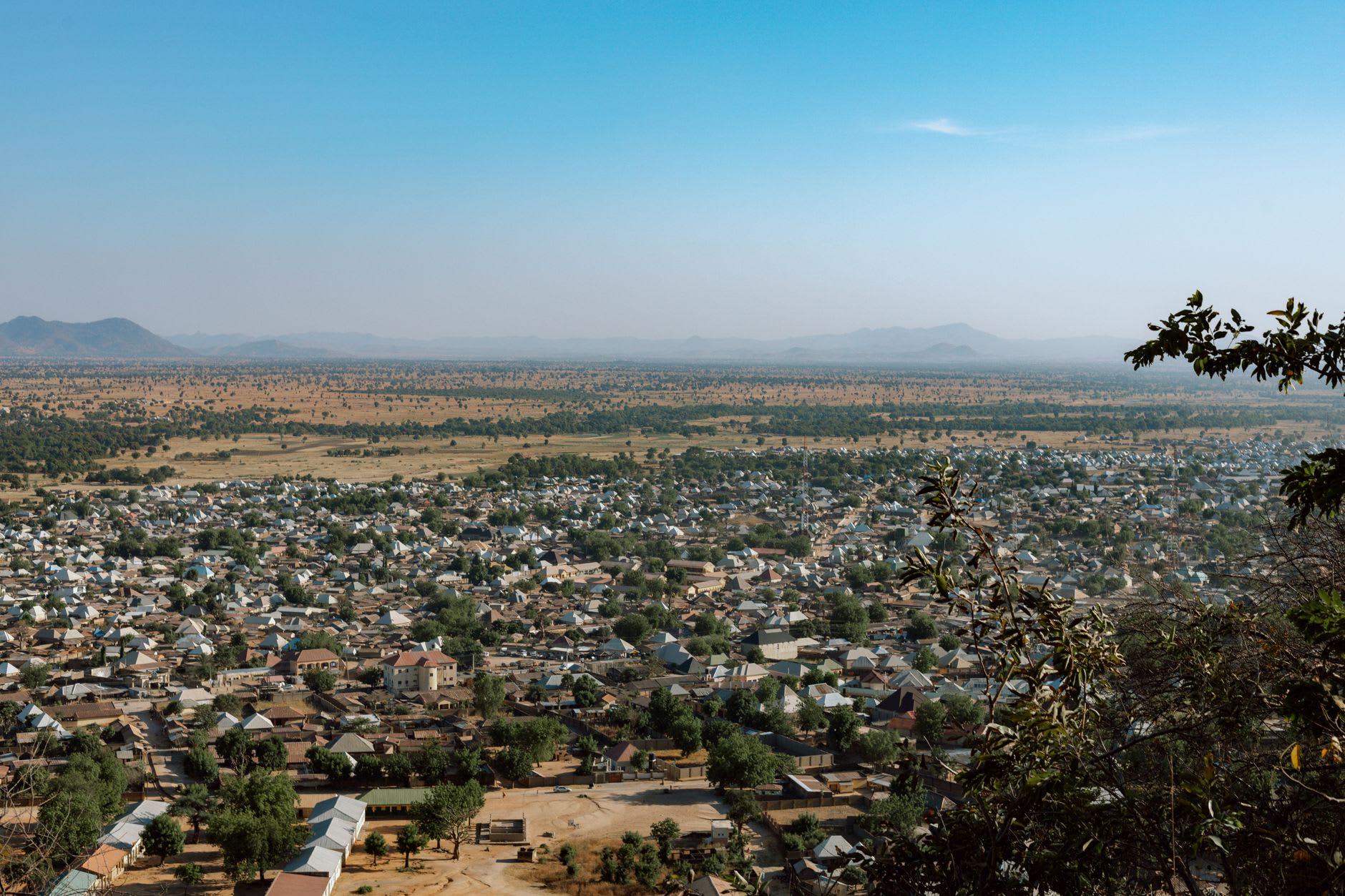
Bandiagara is not the destination — it is the threshold. But thresholds have their own character, and this one’s is organized anticipation. Everyone here is in transit between something and something else. The trick is to slow down enough to notice what is already present before you rush toward what comes next.
When to go: November through February, when the harmattan dust is manageable and the escarpment does that extraordinary thing with the afternoon light. Arrive on a market day — every five days, ask locally for the current cycle — and you will see Bandiagara functioning as it actually functions, not as a staging post for trekkers.