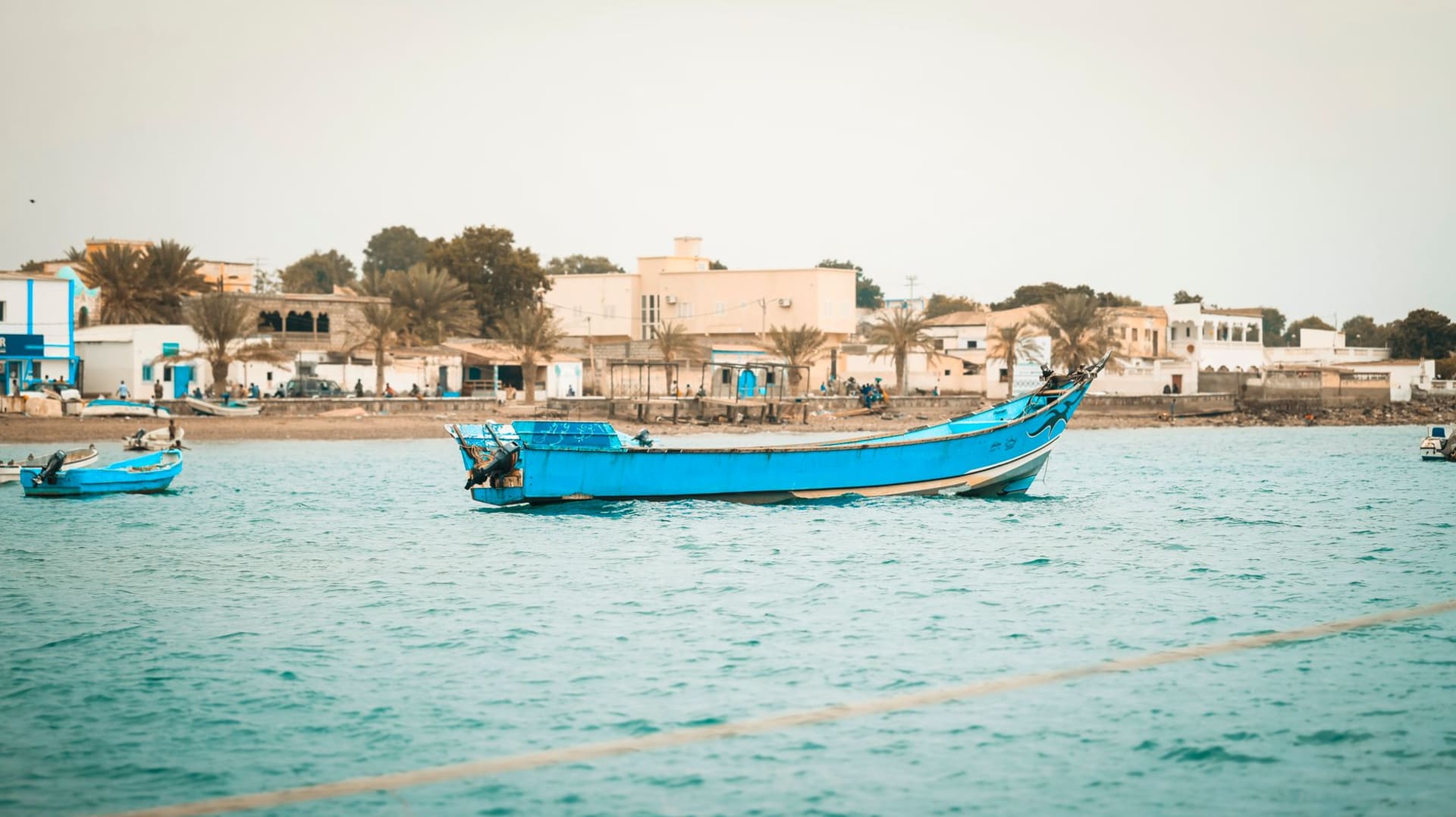
Tadjoura
"Tadjoura is old in a way that feels personal, not monumental — like it just kept going and never thought to stop."
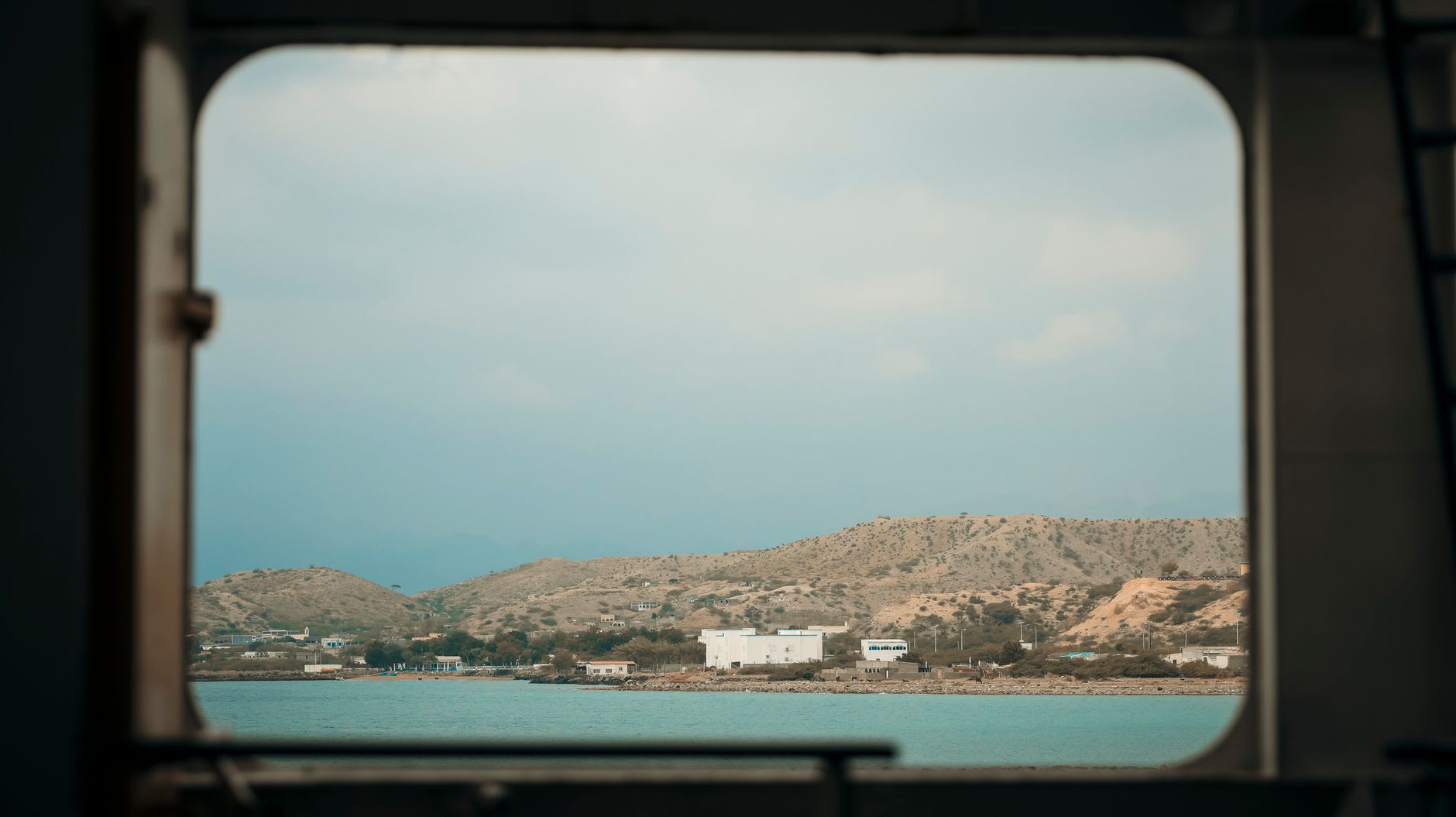
The ferry from Djibouti City docks at Tadjoura in the early afternoon and the first thing you see from the deck, before the town resolves into its individual parts, is white. White walls, white mosques, white rooftops bleached by salt air and decades of sun, all sitting above the pale water of the gulf. The overall impression from the water is of extraordinary compactness — like a town that decided on its footprint centuries ago and hasn’t seen any reason to revise it since. Which is essentially what happened.
Tadjoura is one of the oldest continuously inhabited towns in the Horn of Africa. Arab traders established a presence here centuries before the French arrived, and the town has been a dhow port and trading center for long enough that the architecture of the old quarter has the accretive quality of a place that has been built and modified and built over many times. The oldest mosque in the country, the Blue Mosque, dates to the thirteenth century — the minaret is visible from the port and from most of the old town, a white finger pointing up against whatever the sky is doing, and it is still in active use five times daily.
The medina is small enough to learn in an afternoon. The streets are narrow, often shaded by the upper floors of coral-stone buildings leaning toward each other, and the sounds at midday are: the generator from somewhere, a radio, a child, the gulls from the waterfront. There are no tour guides here, no established itinerary. I walked into the old quarter from the port and spent two hours turning corners without particular purpose, ending up in a small courtyard where two women were weaving palm fronds into mats and didn’t register my appearance as anything requiring comment. I watched for a few minutes. One of them said something that the other found funny. I continued walking.
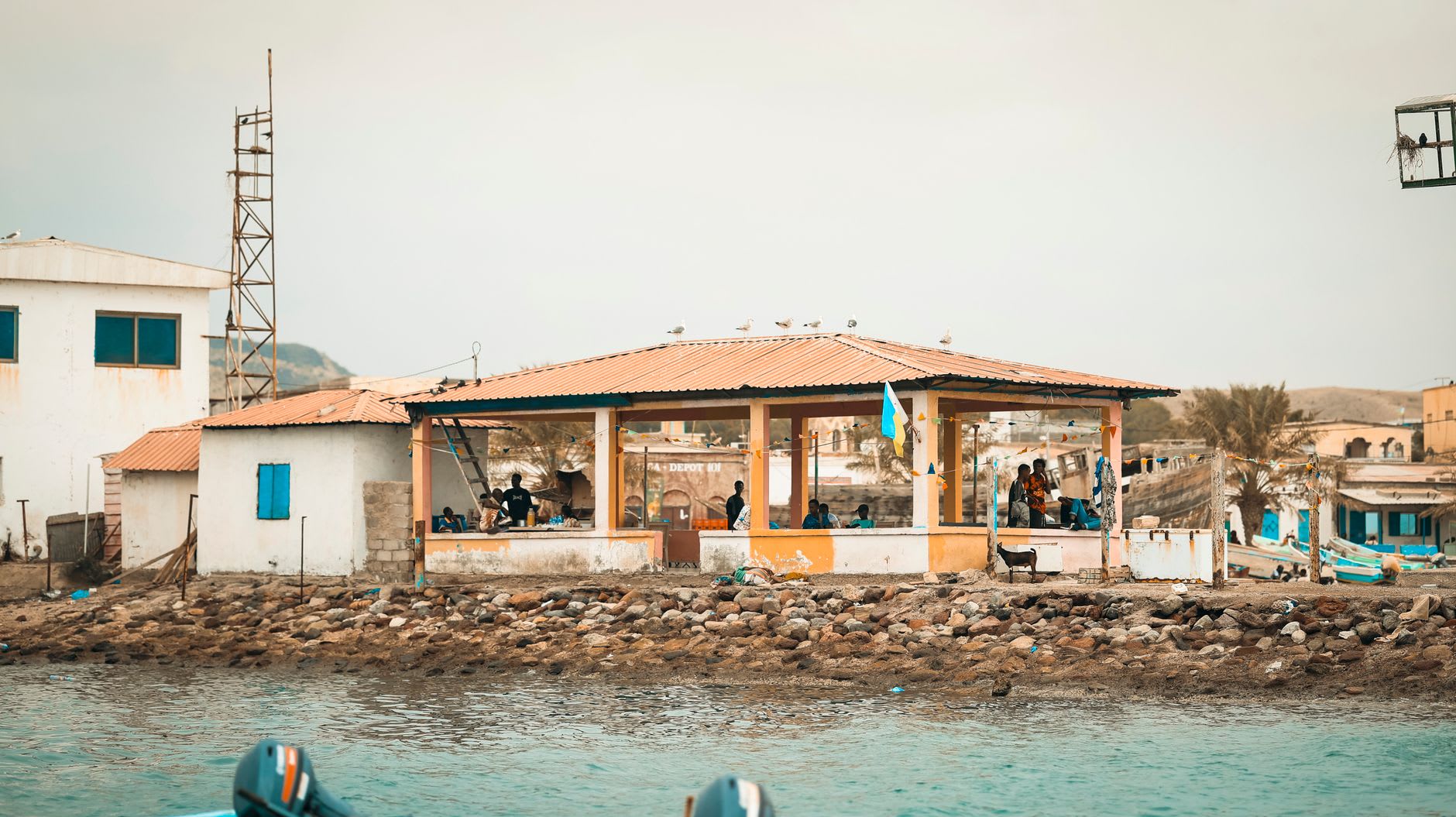
The market runs along the waterfront and deals in the things that come in and go out of Tadjoura by boat: salt from Lake Assal, which is brought by camel to the coast and loaded onto dhows still, as it has been for centuries; dried fish; basic provisions for the smaller settlements along the northern coast that have no road connection. The market smell is salt and fish and something sweet I couldn’t identify, and the men who work it have the permanent squint of people who spend their lives looking at bright water.
In the late afternoon I walked to the eastern edge of the town where the beach opens out and the gulf is clear of boats. The water was that specific Djiboutian blue — chemical, deliberate, too saturated to seem natural — and the beach was empty except for a group of boys swimming from a low headland. The light was doing the thing it does in the Gulf of Tadjoura at four in the afternoon: horizontal, golden, making everything it touched look slightly unreal. I sat on a rock and watched it for an hour and did not think about very much, which was the correct response to the situation.
When to go: November through March. The ferry from Djibouti City runs daily except Friday and takes about two hours — the journey itself, across the gulf, is a pleasure. Tadjoura makes a sensible base for exploring the northern Goda coast and for the boat connection north to Obock; two nights is enough to see the town properly and do a day on the water.