Africa
Djibouti
"This is what Earth looks like when it's still making itself."
I arrived in Djibouti City at midnight and the heat was still something physical — not uncomfortable in the sticky, tropical sense I’d known in Southeast Asia, but dry and pressing, like opening an oven door. The taxi driver had the radio on, some Afar pop music I didn’t recognize, and through the window the Gulf of Tadjoura was an oily black mirror under a sky absolutely choked with stars. Within twelve hours I understood that Djibouti operates on its own terms. There’s no pretending otherwise.
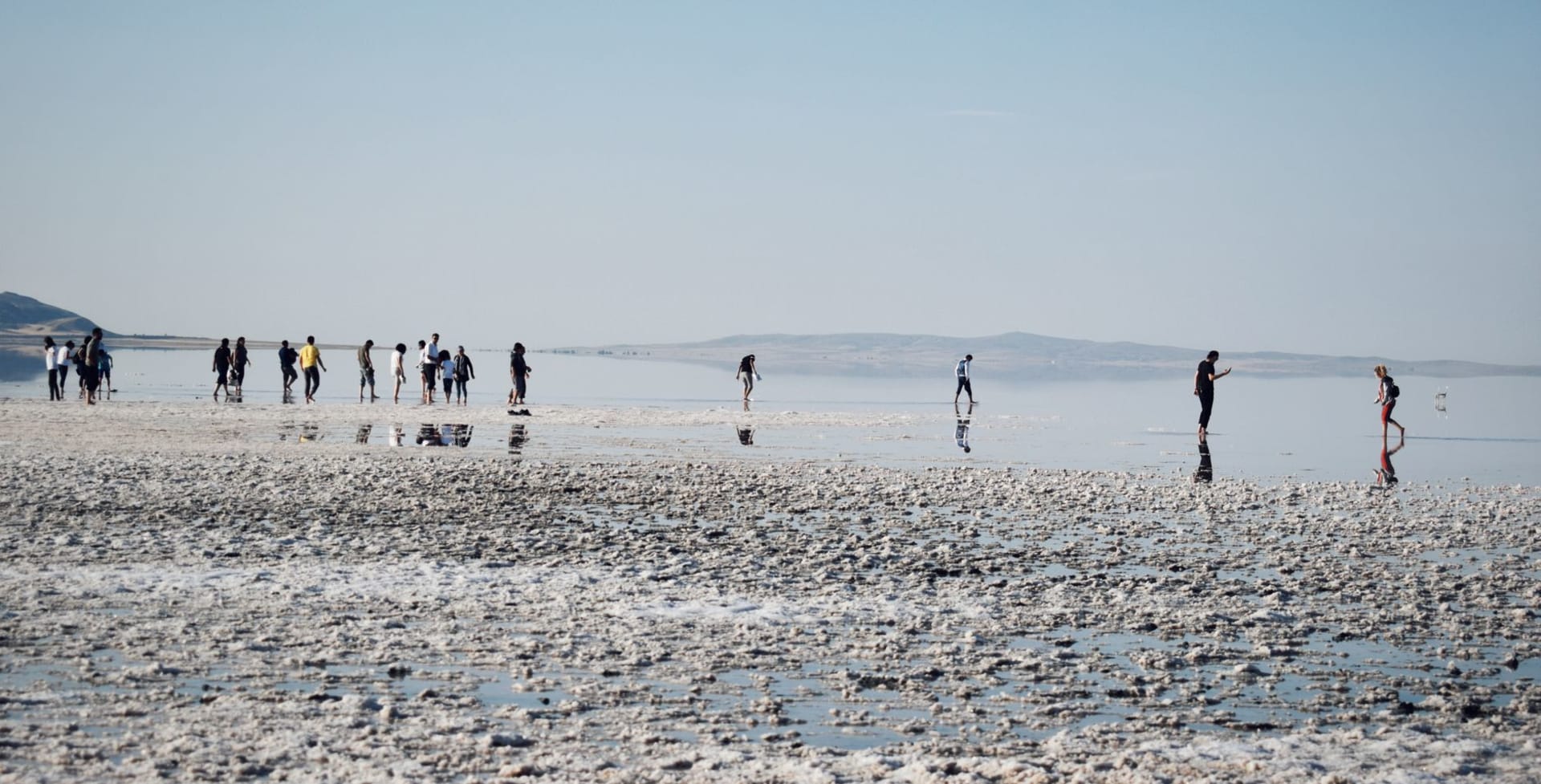
Lake Assal is the reason to come, and no amount of preparation does anything for you once you’re actually standing at its edge. It sits 155 meters below sea level — the lowest point on the African continent, one of the lowest on Earth — and the salt crust that rings it is so white it forces you to squint at eight in the morning. The water itself is a color I don’t have a good word for: not turquoise, not blue, something more chemical and deliberate, the color of a swimming pool that a chemist designed. The Danakil Depression, straddling the border with Ethiopia and Eritrea, is where three tectonic plates are peeling apart in geological slow motion, and Lake Assal is one of the most visible symptoms. You can feel the strangeness of this in your chest. The landscape is not beautiful in any conventional sense — it’s spectacular in the way that a lightning strike is spectacular. Elemental. Indifferent to you.
The city itself is easy to underestimate. Djibouti City is small, dense, and layered with the accumulated presence of every power that has decided this harbor matters — which is essentially every power. The French military is still here, visibly. The Americans. The Chinese. The Japanese. The port feeds the entirety of landlocked Ethiopia, which makes it one of the most strategically critical pieces of real estate in Africa. None of this geopolitics is visible exactly, but you feel it in the restaurant menus (French bistro cuisine sits two doors down from Somali canteens), in the languages mixing on the street — Somali, Afar, French, Arabic — and in the particular cosmopolitan exhaustion of a small country that the whole world watches closely. The marché central on a Thursday morning is a good place to sit with a coffee and think about all of this without thinking too hard.
When to go: November through March, without negotiation. April and May are bearable. From June onwards the temperatures at Lake Assal exceed 50 degrees Celsius and the air quality in the desert becomes physically hazardous. The winter months are also when whale sharks congregate in the Gulf of Tadjoura — snorkeling with them off the coast near Arta Beach is as close to an obligatory experience as Djibouti offers.
What most guides get wrong: They treat Djibouti as a stopover, a footnote before Ethiopia or Somaliland. But its smallness is exactly its quality. You can do Lake Assal and Lake Abbé and the whale sharks in four or five days without rushing, and the country’s compactness means you spend zero time in transit and all your time actually somewhere. The other mistake is ignoring the food. Somali-style goat stew with injera at lunch, French wine and grilled fish at dinner — this is a genuinely specific culinary culture that no guide treats seriously enough.