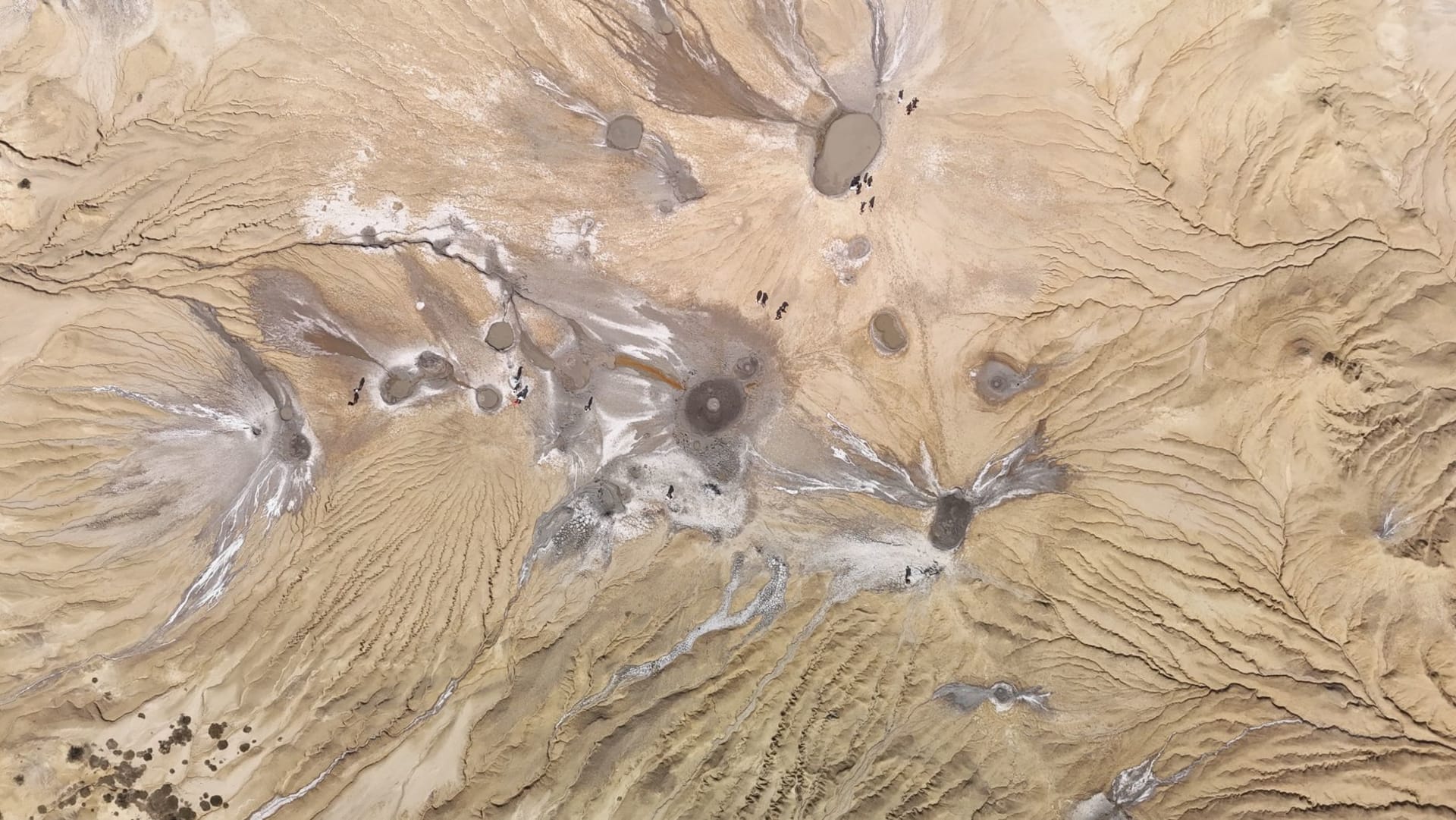
Lake Abbé
"Standing among the chimneys at sunrise felt less like travel and more like trespassing on geological time."
The road to Lake Abbé from Ali Sabieh took four hours on tracks that barely qualified as tracks, through scrub desert where the occasional acacia tree looked like it had given up. My driver, a quiet man named Hassan who communicated mainly through gestures and silences, had done this route hundreds of times and drove with the calm of someone who had long since stopped being surprised by anything the landscape offered. When the chimneys appeared on the horizon — dozens of them, some reaching thirty meters, all venting white steam against a sky just beginning to lighten — he gave the first real reaction I’d seen from him. He slowed the car. Even he looked.
Lake Abbé straddles the border between Djibouti and Ethiopia, fed by the Awash River and gradually evaporating in the extreme heat of the Afar Triangle. What makes it unlike any other lake in the world is the limestone chimneys — natural formations built up over centuries by hot springs pushing mineral-rich water through the lake floor. At dawn, with the steam rising and the light coming in horizontally across the pale, cracked flats, the scene has a quality I can only call cinematic, except that word implies artifice and there is nothing artificial about this. It’s a place that still seems to be discovering what it is.
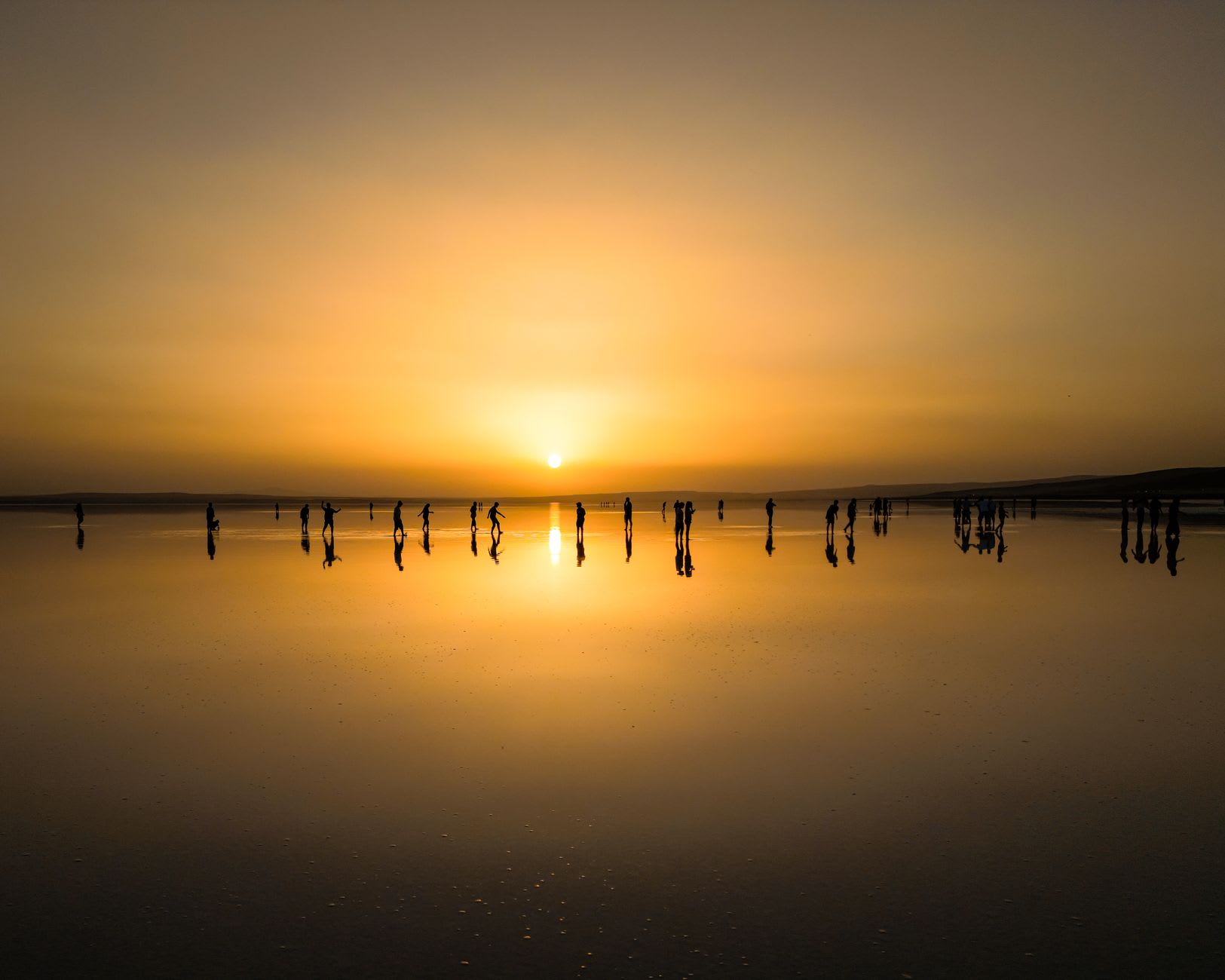
The flamingos arrive in the shallow margins where the lake water is pink with algae and brine shrimp. Thousands of them, moving in slow, synchronized patterns, occasionally lifting and resettling in bursts of pink against the grey mineral landscape. I’d seen flamingos in Camargue and in the Yucatán, but never against a backdrop this severe. The contrast was almost violent — soft birds on hard, alien ground, their reflections shimmering in water that shouldn’t logically be able to support anything.
We camped the night with a small group of Afar nomads who had set up near the lake’s edge. They had goats, a fire, and a particular kind of hospitality that involves feeding you first and asking questions later — heavily sweetened tea, flatbread, something that might have been dried goat meat, all consumed in the light of a fire while the chimneys continued their steady exhalations behind us. I don’t speak Afar. They didn’t speak French or Spanish. We managed for two hours in a shared silence that wasn’t uncomfortable.
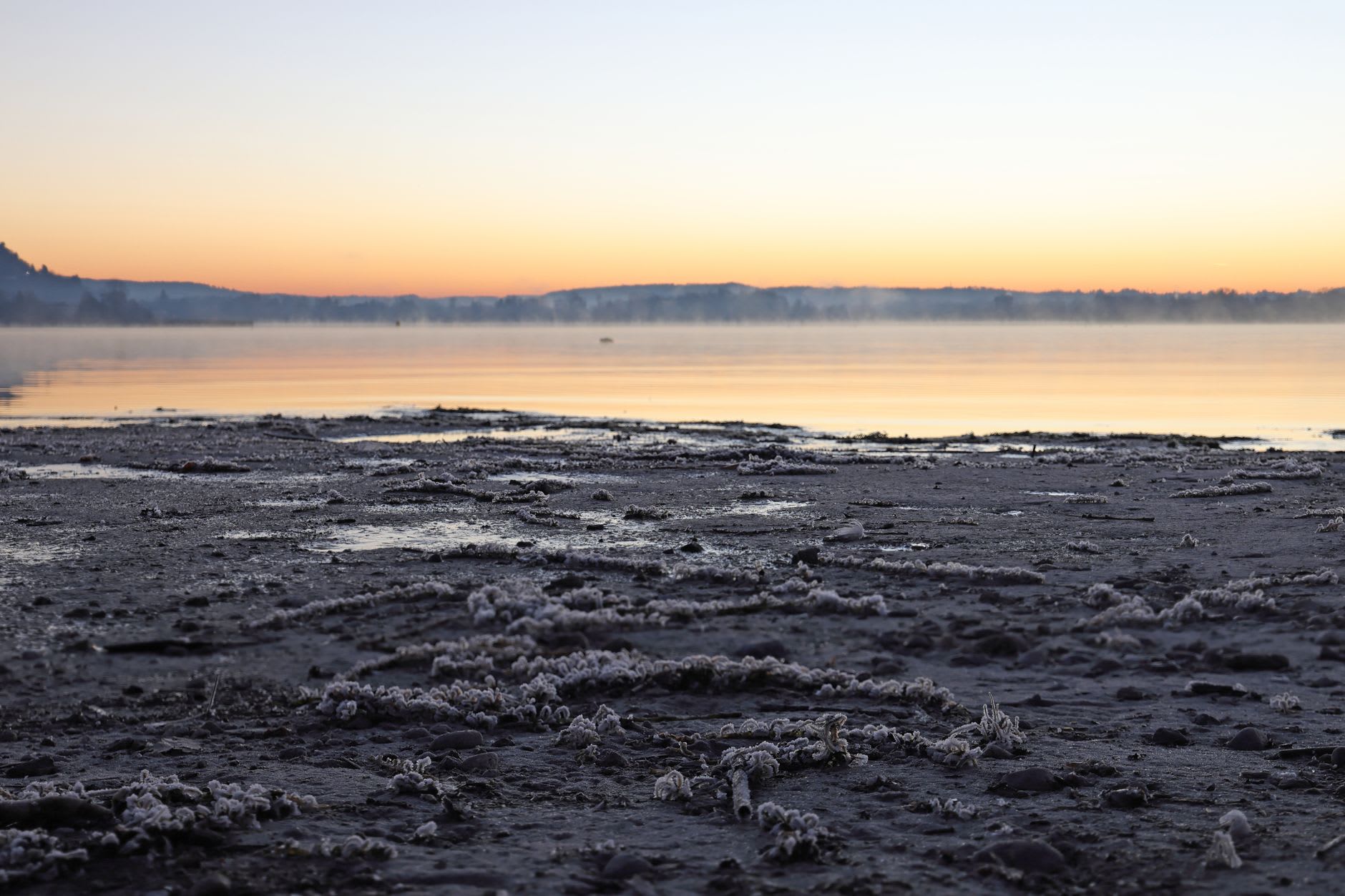
Dawn was the thing to wait for. I was awake before the light, standing among the chimneys in a landscape so still that the steam rising from the vents was the only movement anywhere. The sun came up behind a ridge, then cleared it, and for fifteen minutes the light on the limestone was orange, then gold, then white. The flamingos began to stir. A few goats appeared from somewhere. Hassan emerged from his blanket and made tea without saying anything. It was the kind of morning that makes the journey preceding it feel not just worthwhile but necessary.
When to go: November through March. The track becomes impassable after heavy rain, which is rare but not impossible. A 4WD vehicle is essential — there are no roads and the flats can be deceptive. Most visitors overnight at the lake to catch sunrise and sunset, which is the correct approach. The distance from Djibouti City means a single day trip doesn’t do it justice.