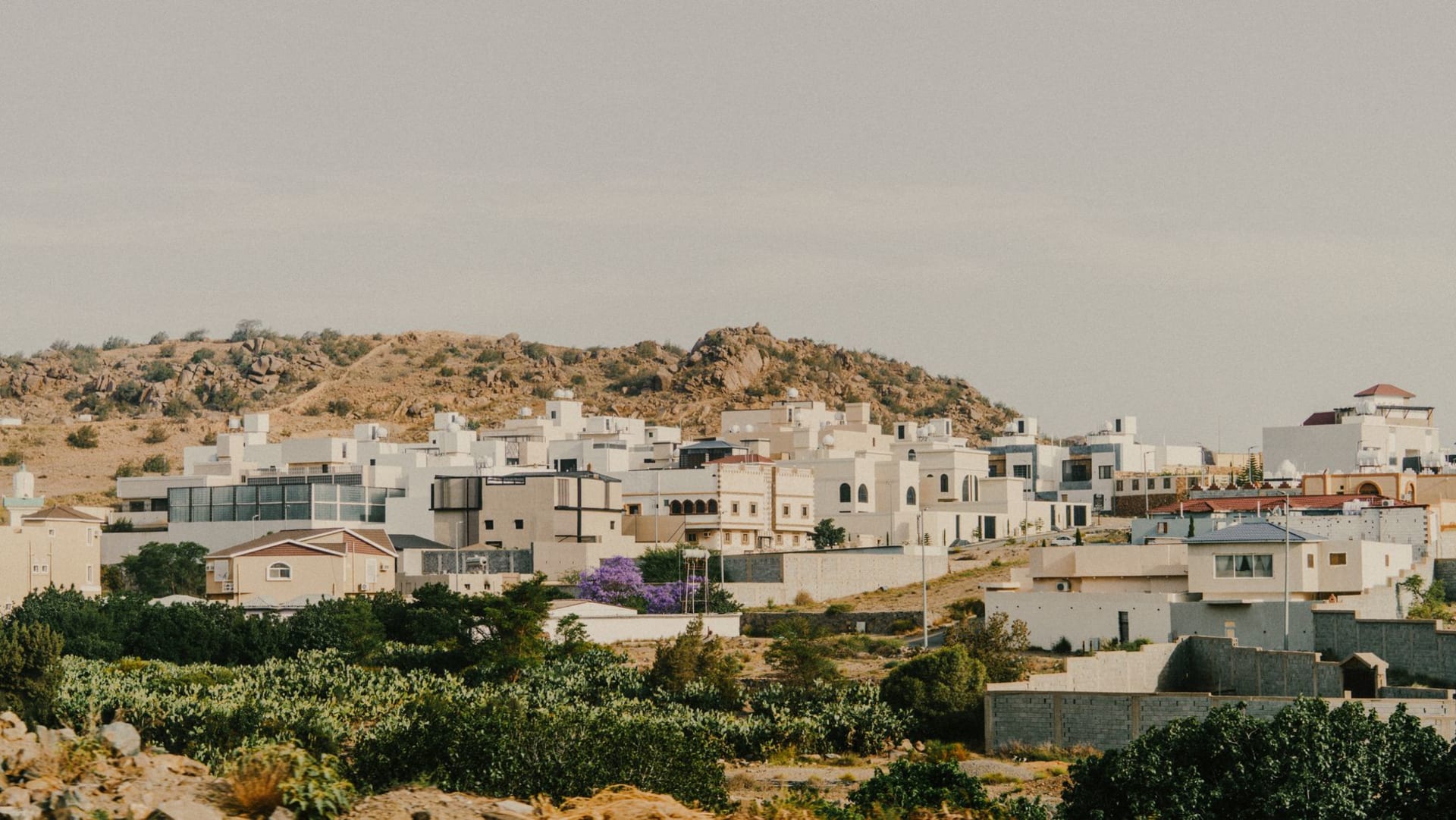
Goubet al-Kharab
"The locals call it the Devil's Cauldron, and standing there I did not feel like arguing."
The road west from Djibouti City runs through a landscape that keeps insisting it is not for humans — lava fields, salt flats, hills the colour of cold ash — and just before it reaches the great basin of Lake Assal, it skirts the edge of Goubet al-Kharab. The name translates, roughly, as the “Pit of Demons” or the “Devil’s Cauldron”, and Djiboutians have regarded this dark inlet with a certain wariness for a very long time. We pulled the 4x4 over at a viewpoint on the rim, killed the engine, and the first thing that hit me was the silence — total, pressurised, the kind you can almost hear.
A bay at the end of the world
Goubet al-Kharab is the innermost pocket of the Gulf of Tadjoura, almost closed off from the open sea, sitting right on top of the geological seam where Africa is slowly tearing itself apart. The Arabian, African, and Somali plates pull away from each other here, and you can read the violence of it in the surrounding land: jagged black volcanic ridges, a couple of small dark islands in the bay that legend has loaded with stories, and water that looks less blue than ink. The deep colour is partly the depth and partly the dark seabed, but standing on that rim in the heat haze, it genuinely looked like a hole punched into the earth.
Jacques Cousteau came here in the 1970s, drawn by tales of monstrous things in the deep, and lowered a baited cage to see what lived in the dark water. The local Afar fishermen had long avoided the bay. Whatever Cousteau found or didn’t find, the reputation stuck, and I rather enjoy that a place can still carry that kind of dread in the twenty-first century.
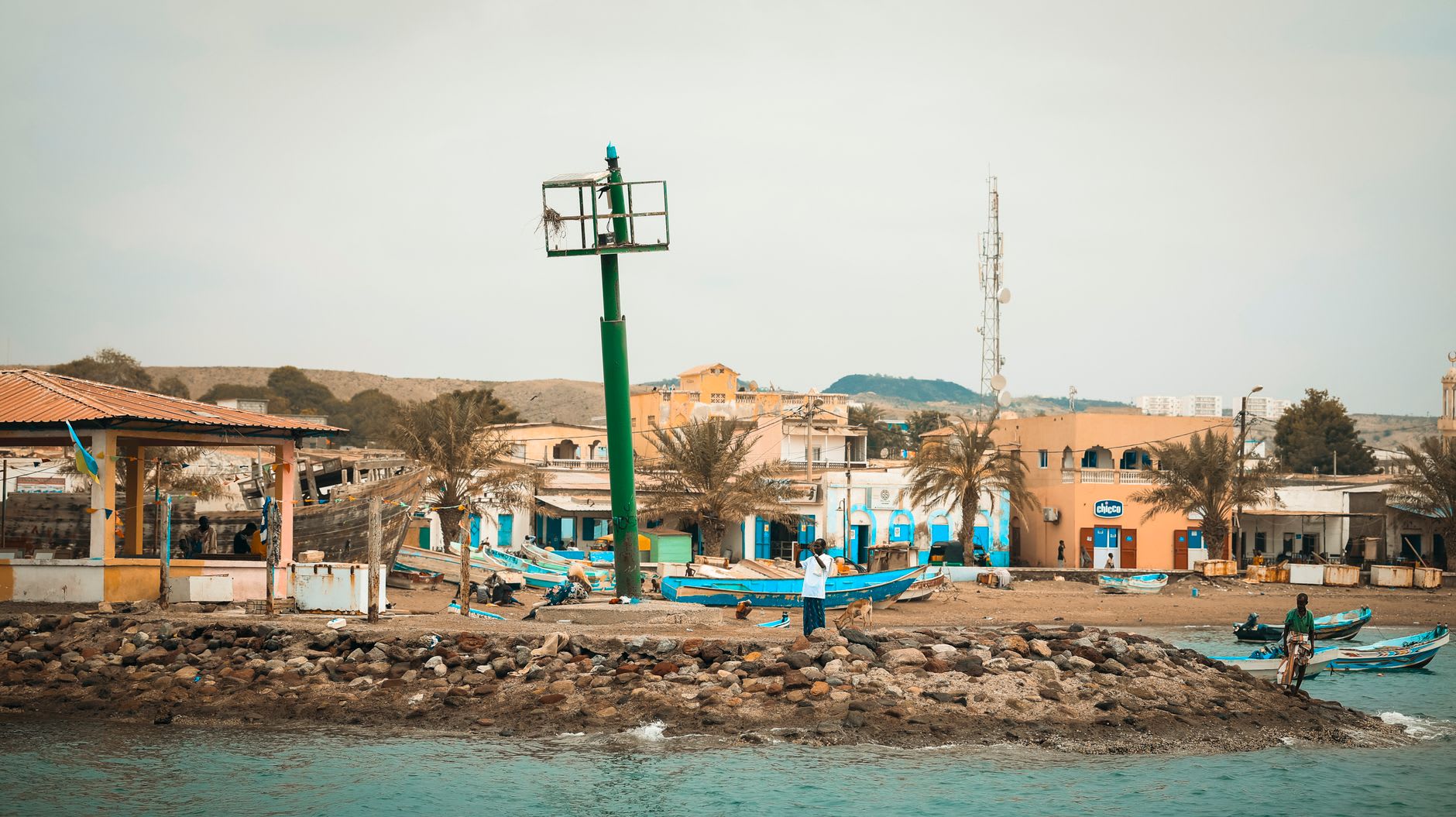
The heat, the salt, and the silence
We did not swim — the heat was the kind that makes you ration your own movements, and the water, despite its menace, is actually rich with life below the surface; this is reportedly a fine spot for diving with whale sharks in the cooler season, though we were there at the wrong time and far too overheated to consider it. Instead we sat in the meagre shade of the truck and ate dates and flatbread while our Afar driver, a man of very few words, pointed out a distant dark cone he said was once an active vent.
A short way on, the land drops to Lake Assal, the lowest point in Africa and one of the saltiest bodies of water on the planet, its shore crusted white and blinding. Goubet and Assal really belong together as one extraordinary, hostile, beautiful stretch of geology — the place where you understand, viscerally, that the continent itself is unfinished.
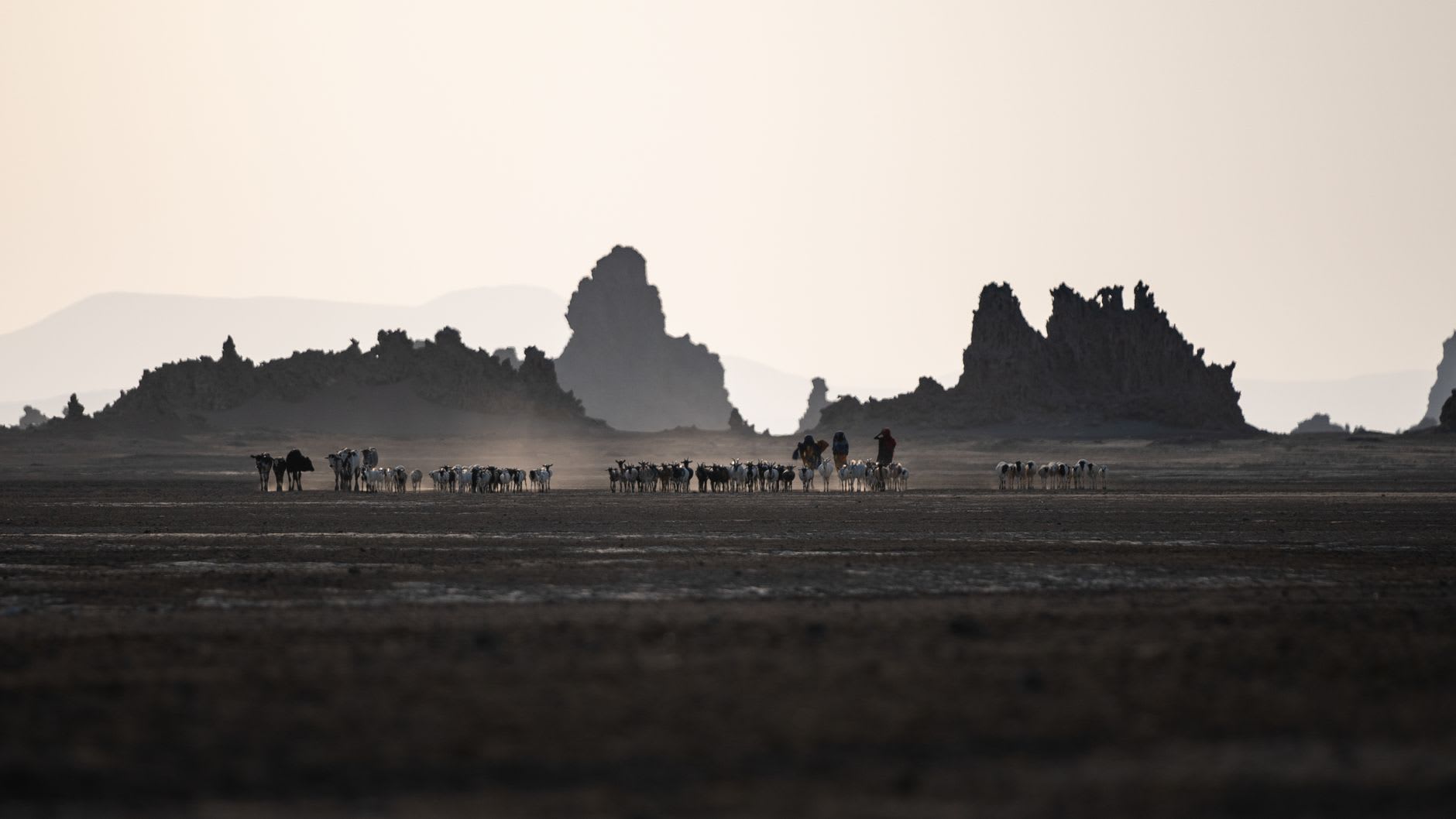
Go with a guide and a proper vehicle — this is genuine desert with no services — and go in the cooler months, roughly November to February. Carry far more water than you think you need. Goubet is not a place you linger casually; it is a place that makes you feel, briefly and usefully, very small.