
Arta Beach
"Arta is the kind of place that makes you wonder why you ever went anywhere else."
I arrived at Arta Beach in the early afternoon in a shared taxi from the capital — an hour on the road south through scrubby hills, past the military checkpoint outside the city, past a herd of camels that had decided the middle of the tarmac was the optimal location for a rest. The beach appeared around a bend without warning: a crescent of pale sand backed by acacia trees, the water inside the cove perfectly calm and a shade of blue I associated with swimming pool advertising rather than actual ocean. Three other people were there. One was asleep under a tree.
The cove is sheltered from the Gulf of Tadjoura’s chop by a natural headland, which makes the water a reliable flat calm even when conditions outside are rough. This matters because the snorkeling begins immediately off the beach — you walk in, put your face down, and within ten meters you’re above the reef. The coral here is dense and largely healthy, which is rarer in the Indian Ocean than it should be. Staghorn coral, brain coral, large fan formations — and in the shallows, the kind of fish populations that make you wonder whether you’ve somehow stumbled into a marine park. You have not: this is just what happens when a coastline isn’t intensively fished.
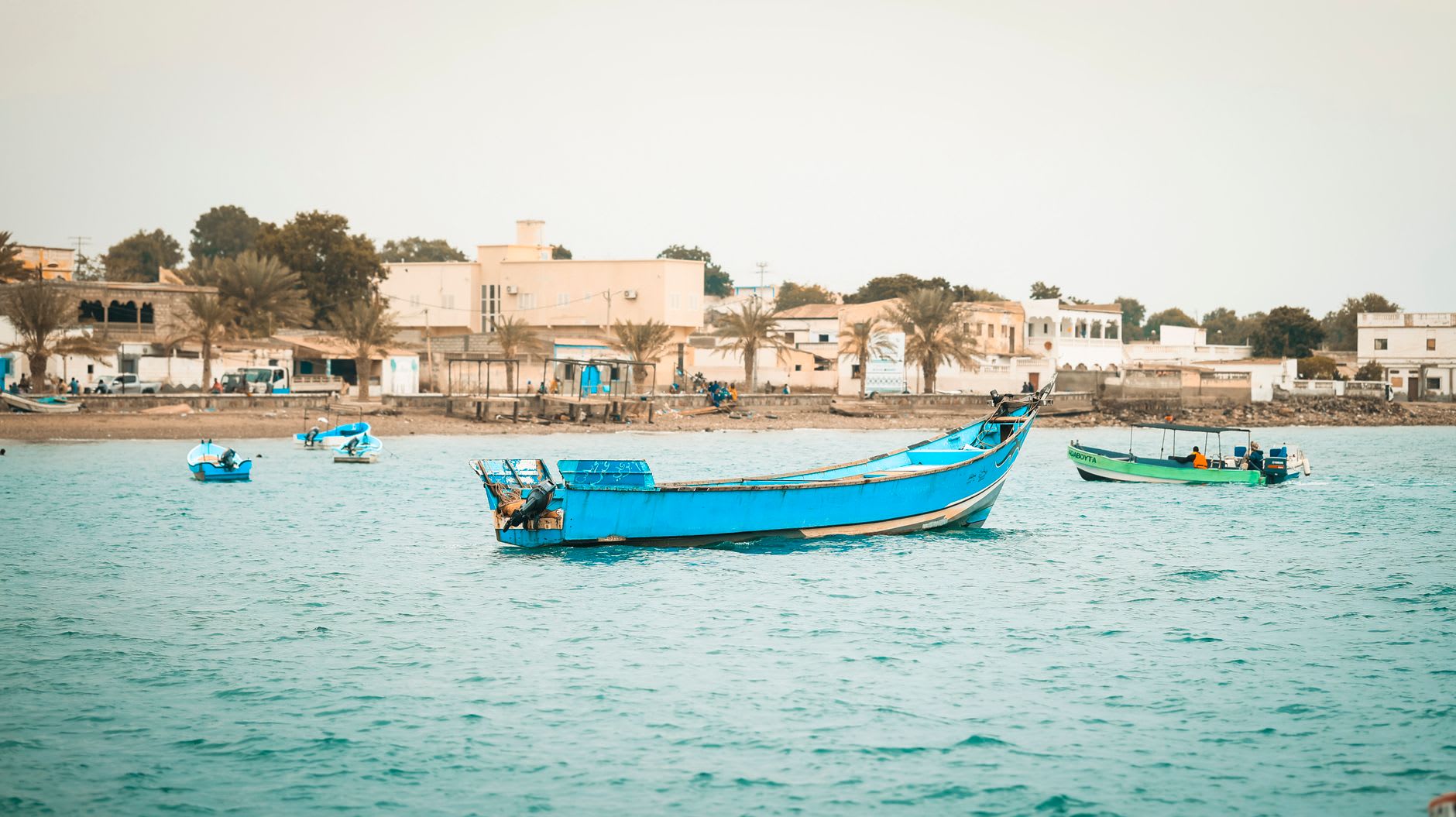
Between November and February, Arta is one of the primary sites for whale shark encounters. The animals move through the channel between the beach and the open gulf, and the dive operators from Djibouti City run boats here most mornings during the season. I’d done the guided excursion already, but the second time I came to Arta I just swam off the beach and spent two hours in the water alone, and on that second day, in the channel at the edge of the cove, a whale shark appeared without announcement and moved past me at about three meters depth. It was not supposed to happen this way — the guides and the briefings and the organized departure were supposed to be necessary. The shark had not received this information.
The beach itself has a minimal infrastructure — there’s a small café that serves grilled fish and soft drinks, run by a family that has been there for years and treats the whole operation with the particular Djiboutian combination of warmth and complete indifference to schedule. I ate a grilled parrotfish there one afternoon that was the best thing I ate in the country: fresh, simply cooked over charcoal, served with flatbread and a chili sauce that had genuine heat and genuine flavor simultaneously.
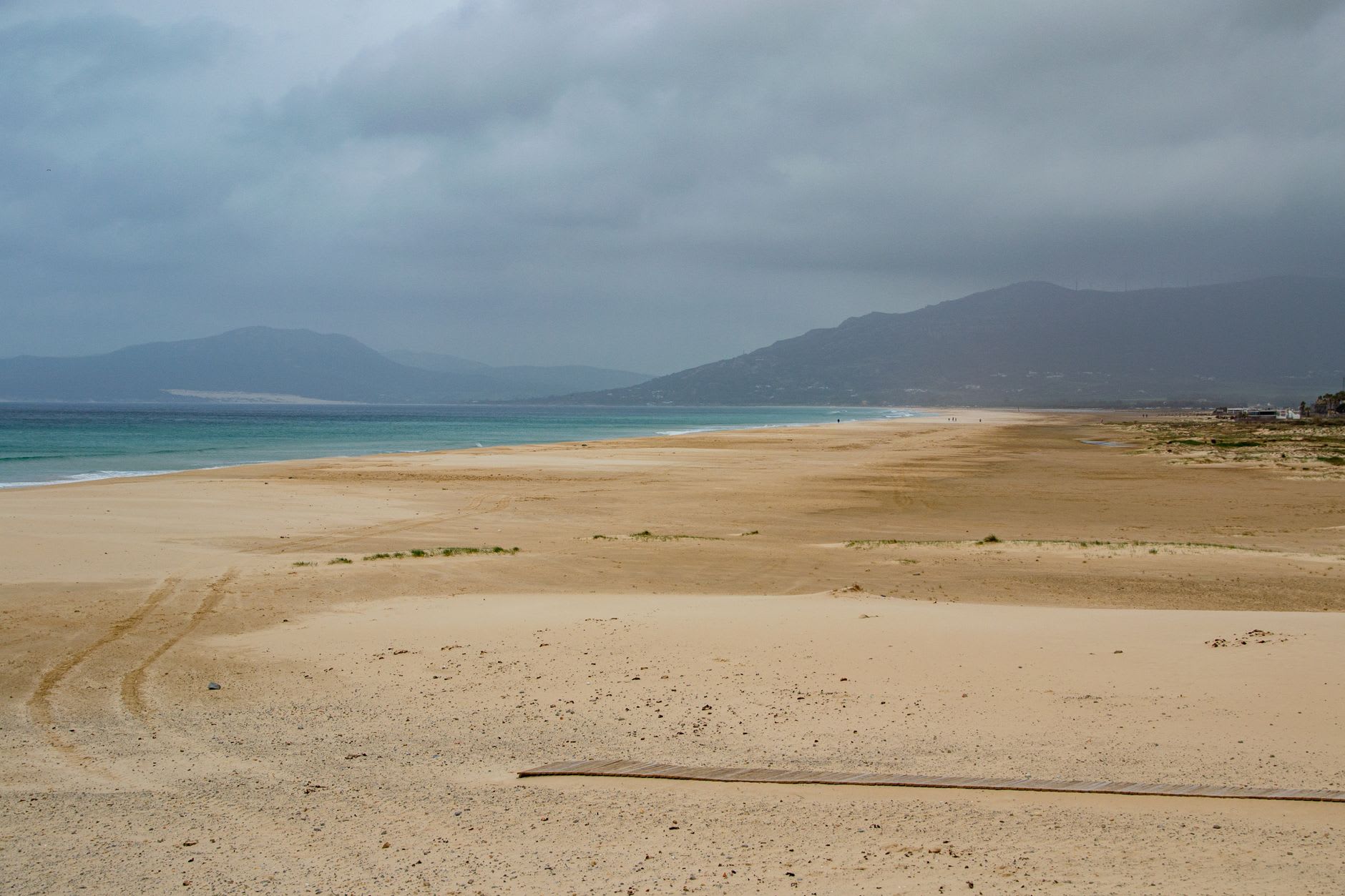
On the hillside above the beach, the small town of Arta sits in the Goda foothills, higher and cooler than the coast. A few thousand people live there, in a mix of concrete houses and traditional Afar structures, and the views from the town back down to the cove are extraordinary — especially in the late afternoon when the light on the water shifts from blue to gold to copper in about twenty minutes. I walked up one evening and stayed until after dark, which is longer than I planned, and came down by moonlight, which was fine.
When to go: November through February for whale sharks and the best marine conditions. The beach is perfectly enjoyable outside this window — the reef doesn’t close — but the whale shark window is specific and worth timing your trip around. Avoid the cove on weekends in high season when Djiboutians from the capital arrive in numbers; midweek mornings are best for solitude.