Ali Sabieh
"Ali Sabieh is where Djibouti stops performing for visitors and just gets on with being itself."
The train from Djibouti City to Addis Ababa — or what’s left of it, which is now a Chinese-built electric railway that runs along the route of the old French line — passes through Ali Sabieh, and this is how I arrived. The journey south from the capital takes about ninety minutes, crossing a landscape that shifts from coastal scrub to something harder and redder as the interior plateau rises. Ali Sabieh sits in a valley between low red-rock hills, and when you step off the train the air is somehow different — drier, dustier, with a quality of southern remoteness that the capital doesn’t have.
The town is Djibouti’s second-largest, which is relative — it has perhaps 50,000 people and the kind of scale where you can walk from one end to the other in half an hour and recognize faces by the second day. The market is the organizing principle of the place. It runs along a central street and spills into side alleys, and on the mornings when the camel market operates at the edge of town, there’s a layer of noise and activity that starts before sunrise. Camels being negotiated over is a particular sound — the animals contribute their own opinion to proceedings — and the men who sell and buy them have the careful, watchful faces of people for whom a single transaction can represent a significant portion of annual income.

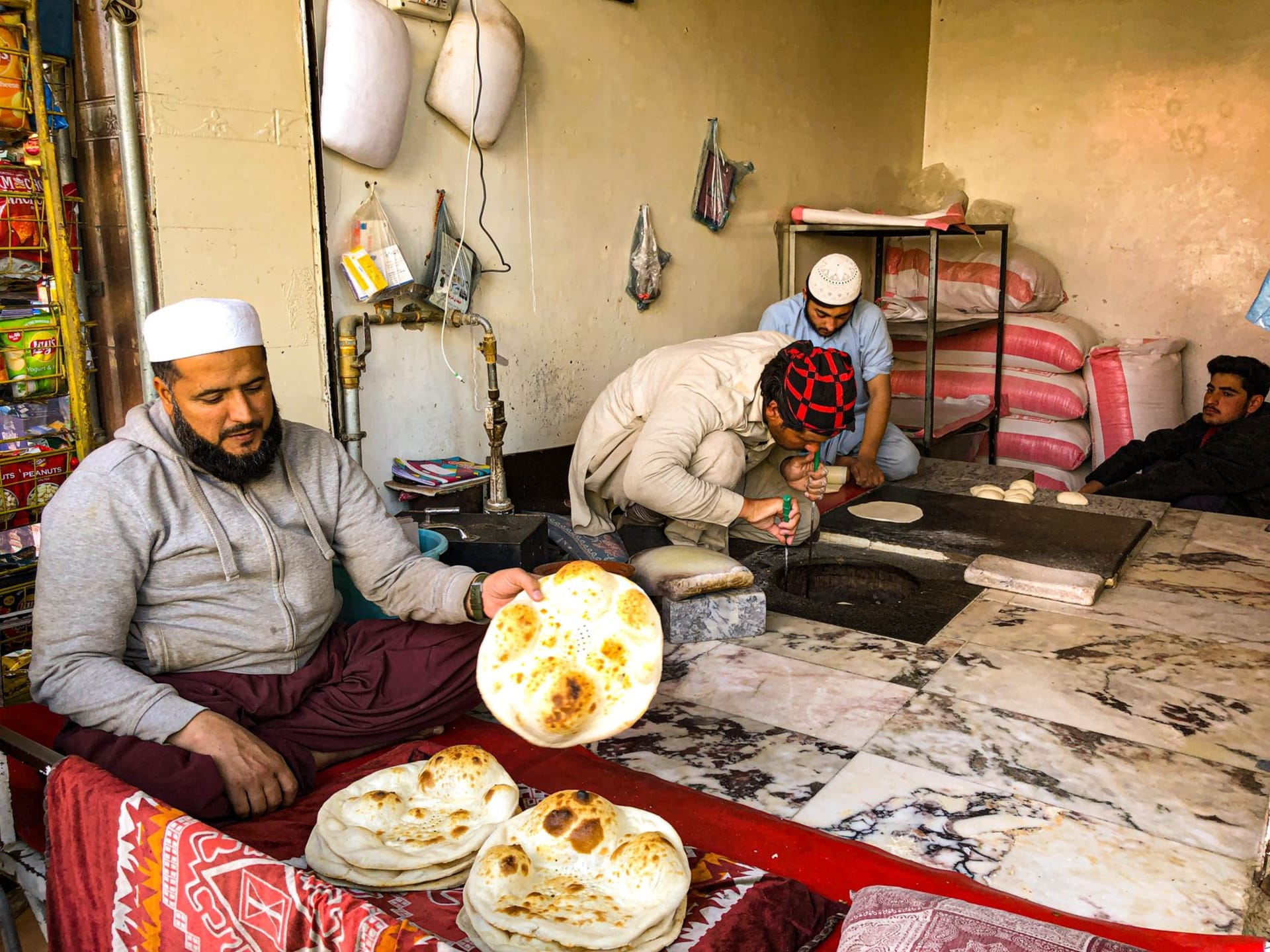
The food in Ali Sabieh runs Somali rather than French. In the capital there are French bistros and wine bars; here there are small restaurants serving rice and goat, suqaar — the spiced meat stew that is the backbone of Somali cooking — and camel milk in plastic cups from a man who positions himself near the market entrance every morning with a large thermos. The camel milk is mild and slightly sweet and tastes nothing like cow’s milk; it has a thinner quality, almost watery, and a faint mineral aftertaste that I found unexpectedly pleasant. I drank it three mornings in a row.
The surrounding landscape rewards exploration on foot if you have the tolerance for heat and uneven terrain. The red sandstone hills around the town are eroded into formations that look sculpted, and between them the valleys hold acacia groves and occasional termite mounds that reach two meters — some of them older than the town itself. On one morning I walked three kilometers up a dry riverbed to a point where the hills opened into a wider valley, and sat in the shade of an acacia and watched nothing happen for an hour, and this was one of the better hours I spent in the country.
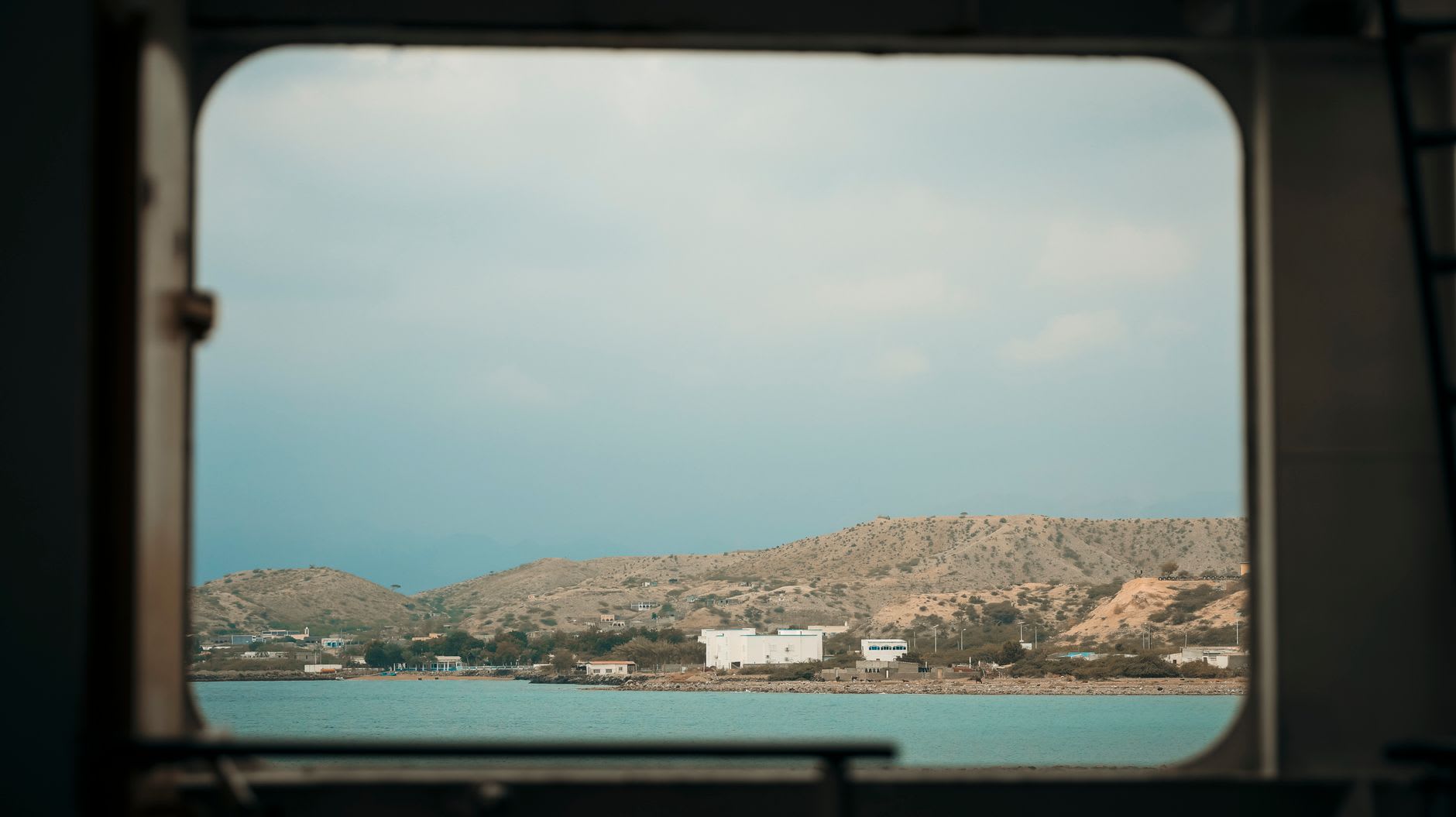
Ali Sabieh is also the obvious base for trips to Lake Abbé, which lies roughly 80 kilometers to the west along tracks that require a 4WD and a guide. Most visitors who make it this far are in transit to the lake, which means the town’s guesthouses and small hotels are accustomed to travelers who arrive in the evening and want an early departure. The one I stayed in had a rooftop terrace where you could sleep under the stars if you were inclined, and a dining room where the owner served the same three dishes every night with slight variations in the spicing that I came to appreciate.
When to go: November through February. The Djibouti-Addis Ababa railway makes arrival straightforward — trains run several times weekly and the ninety-minute journey from the capital is comfortable and inexpensive. If Lake Abbé is the goal, budget at least two nights in Ali Sabieh to allow for the drive out and overnight at the lake.