Zoara
"A town that outlasted Sodom, survived the Crusades, and now barely makes it onto a map."
A dusty oasis town at the Dead Sea's southern tip whose ruined sugar mills once supplied medieval Europe and whose name appears in Genesis.
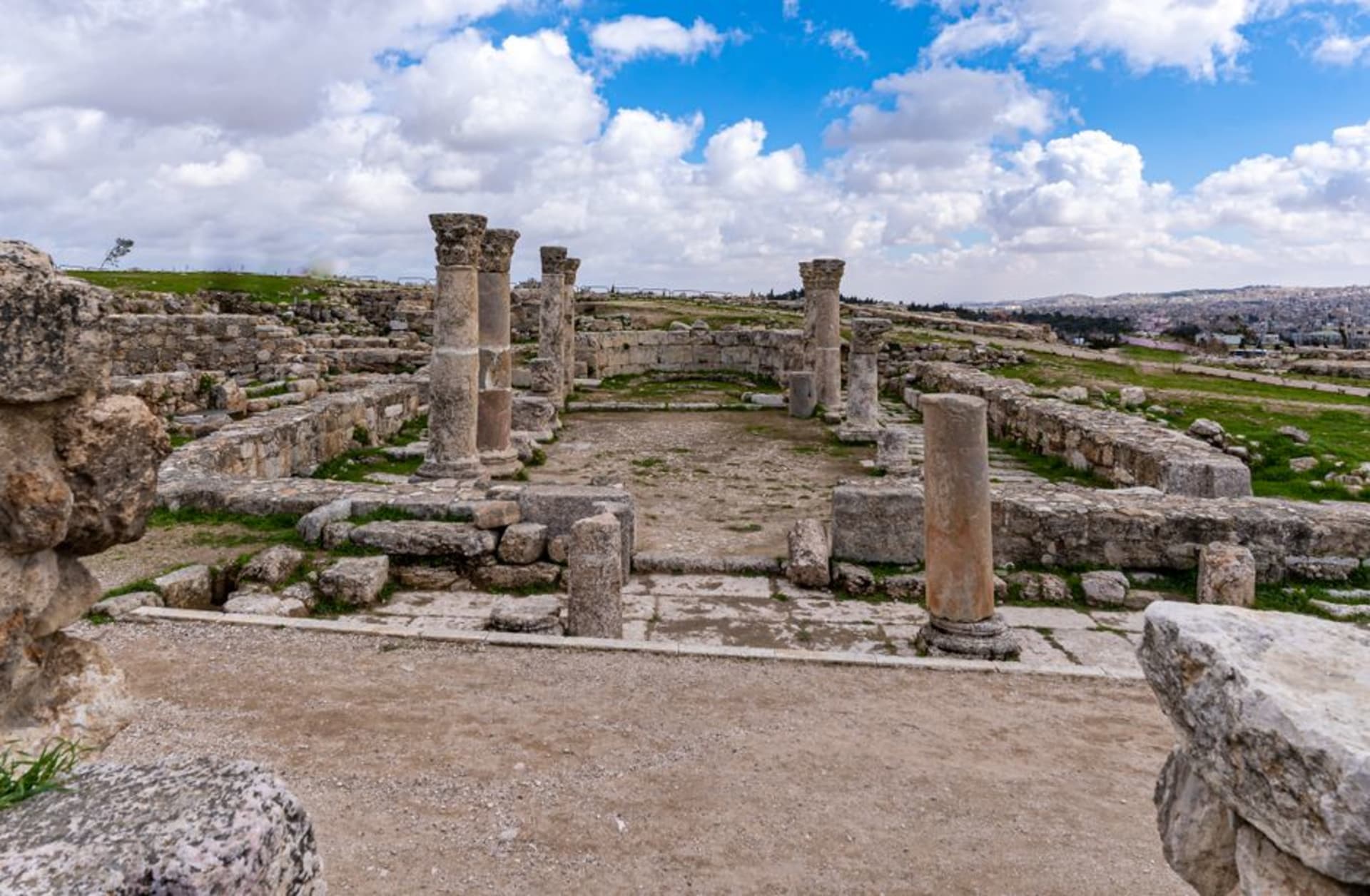
Modern Ghor es-Safi is a working agricultural town — tomato fields, date palms, a market that smells of diesel and ripe fruit — but it sits directly on top of ancient Zoara, one of the five biblical “Cities of the Plain” alongside Sodom and Gomorrah, and the one the story says was spared. I came looking for evidence of that deep history and found something almost better: a genuinely continuous settlement, occupied more or less nonstop from the Bronze Age through the Byzantine, Islamic, and Crusader periods, right up to today. The tombstones alone are remarkable — a Jewish and Christian necropolis nearby has yielded funerary inscriptions in Aramaic, Greek, and Nabataean dating back nearly two thousand years, some of them naming residents and occupations in enough detail that historians have reconstructed entire family lines from a single hillside cemetery.
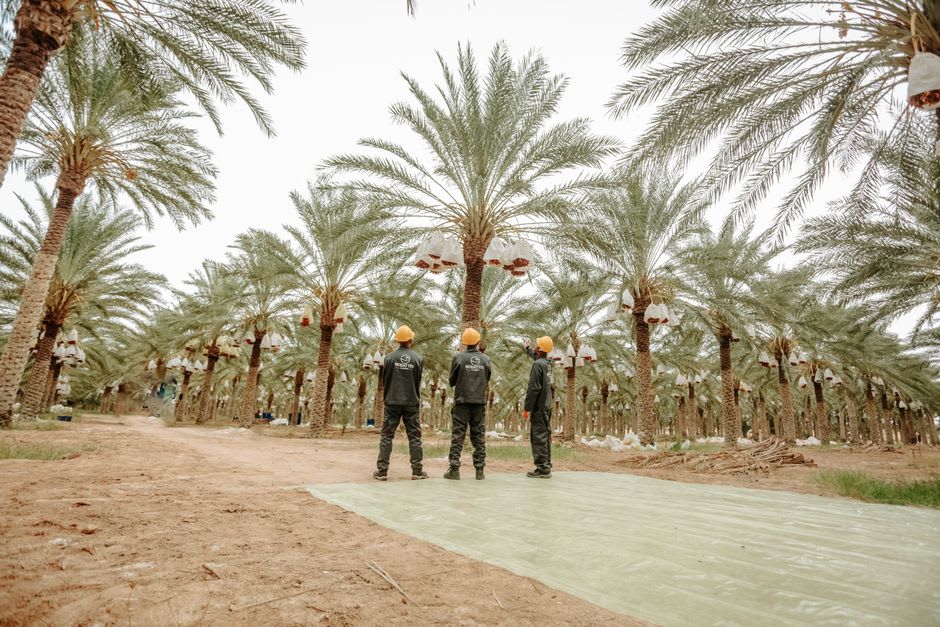
But the ruins that stayed with me longest are the medieval sugar mills, scattered around the edges of town in various states of collapse — thick-walled stone structures with channels still visible where water once turned wheels to crush cane. Zoara was, astonishingly, a major sugar producer for the medieval Islamic world and beyond; Crusader accounts mention “sugar of Zoar” as a prized commodity, and the industry here ran on irrigation systems clever enough to turn one of the hottest, lowest places on the planet into productive farmland. Walking among the mill ruins at dusk, swallows diving low over the irrigation channels, it was easy to imagine the industry that once made this dusty crossroads genuinely wealthy.
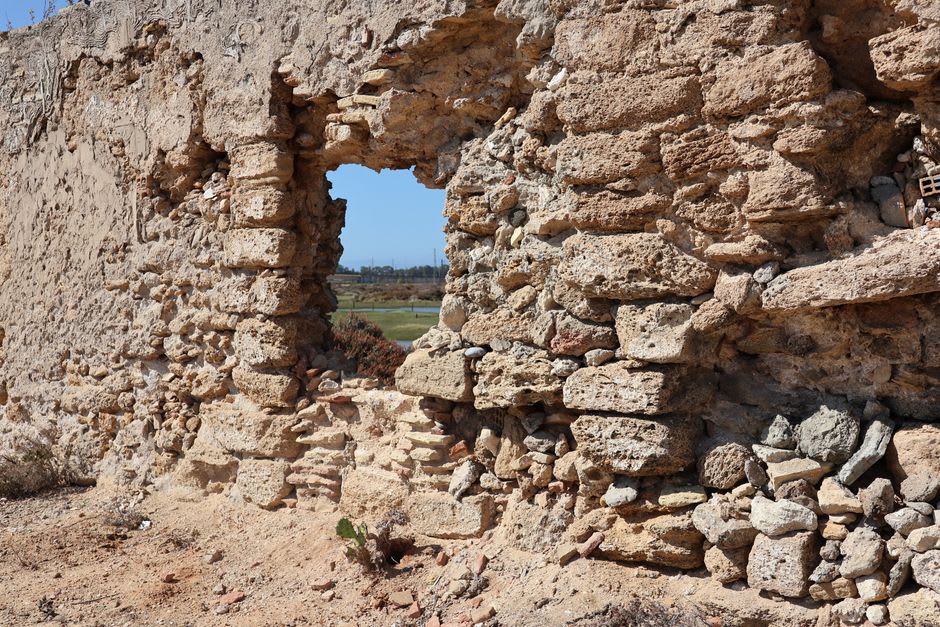
Nobody comes to Safi for the town itself, and I understand why — it’s not picturesque in any conventional sense, and the ruins are unmarked and half-swallowed by newer construction. But that unpolished quality is exactly what made it interesting to me. This is real, working, inhabited history, not a fenced-off archaeological park, and the contrast with the manicured Byzantine sites further north is its own kind of education.
When to go: October through March for bearable heat. Pair it with a visit to nearby Lot’s Cave on the hillside above town — the two sites tell one continuous story.
Keep exploring
More from Dead Sea
 dead-sea-region
 Bab edh-Dhra
A vast Bronze Age cemetery and city mound near the Dead Sea's southern shore, holding half a million ancient tombs and a strong claim to being biblical Sodom.
Explore dead-sea-region
 Bethany Beyond the Jordan
The actual spot on the Jordan River where John baptized Jesus — smaller, quieter, and stranger than you imagine.
Explore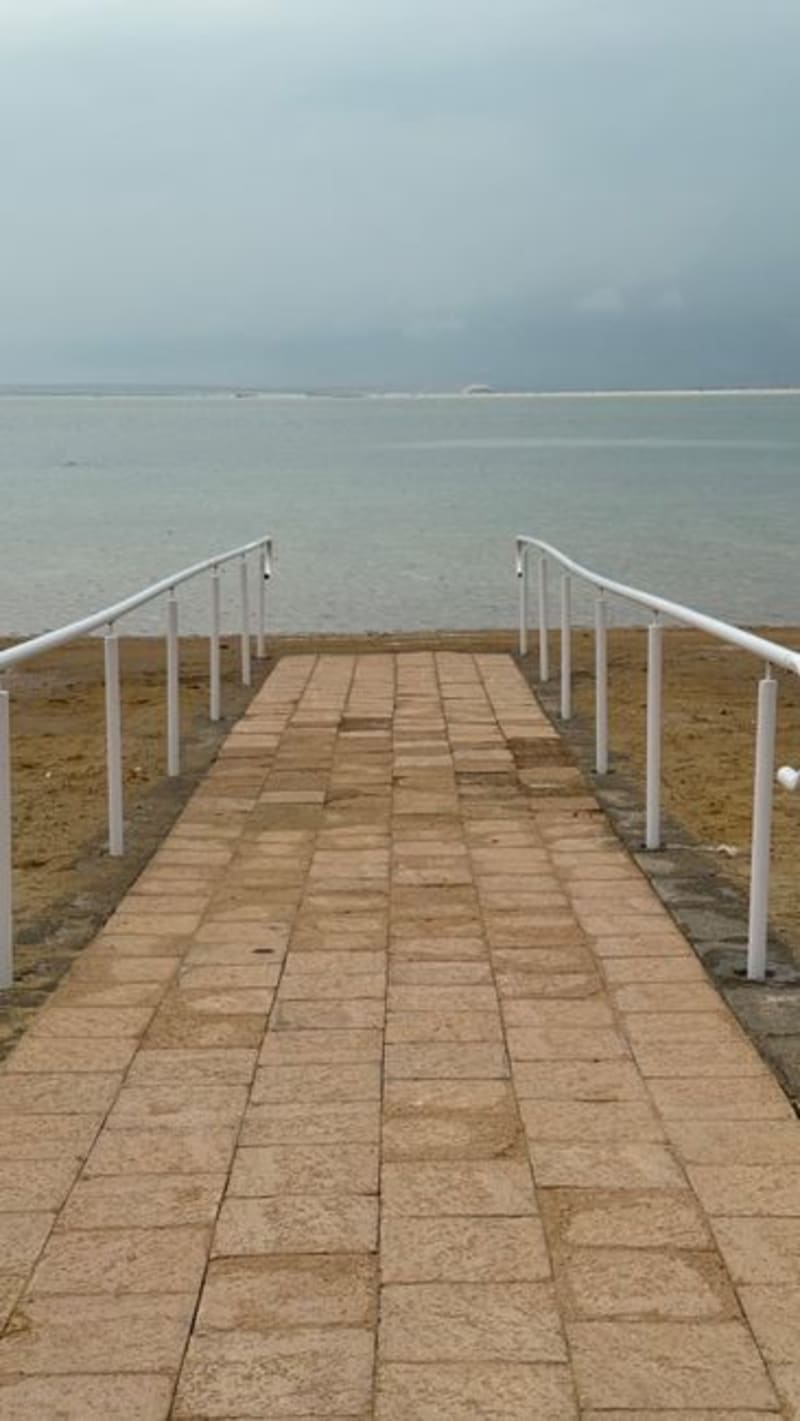 dead-sea-region
 Ein Bokek
Israel's Dead Sea resort strip, a row of spa hotels facing a shrinking shoreline where the world comes to float and be treated.
Explore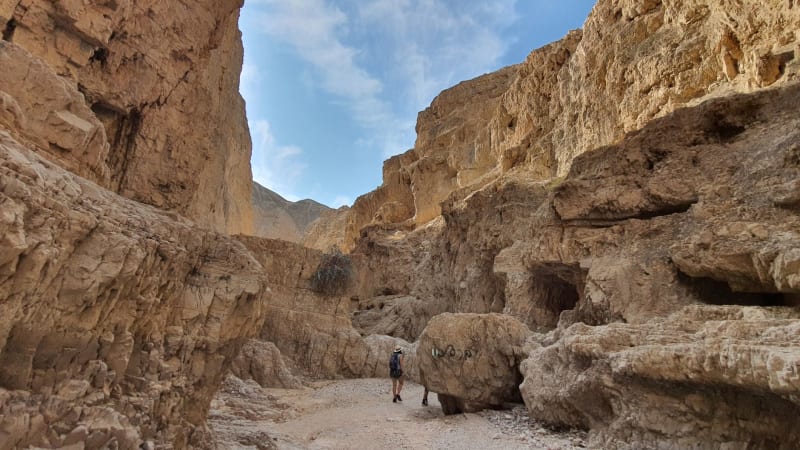 dead-sea-region
 Ein Gedi
A waterfall oasis hidden in the Judean Desert where ibex drink from pools and the green feels impossible.
Explore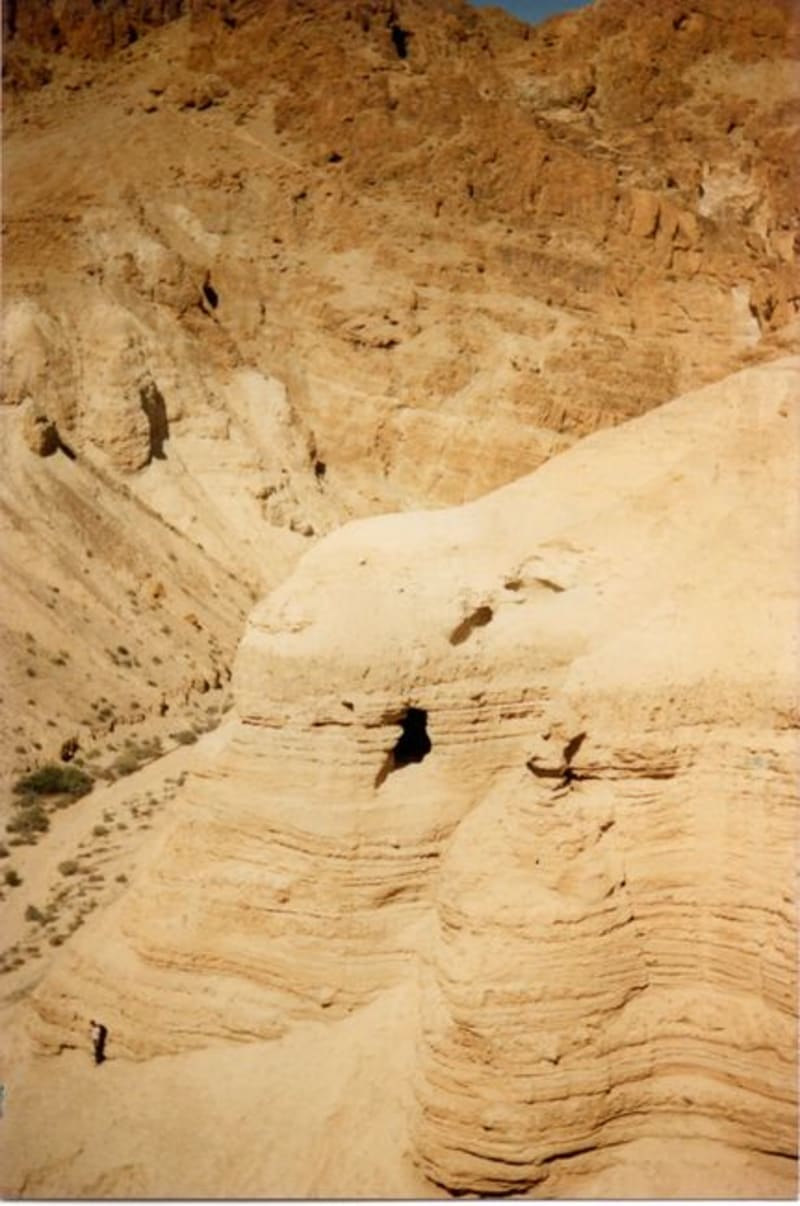 dead-sea-region
 Flour Cave
A short, strange chalk cave near Mount Sodom where the walls are so soft and white they coat you in powder like a bakery.
Explore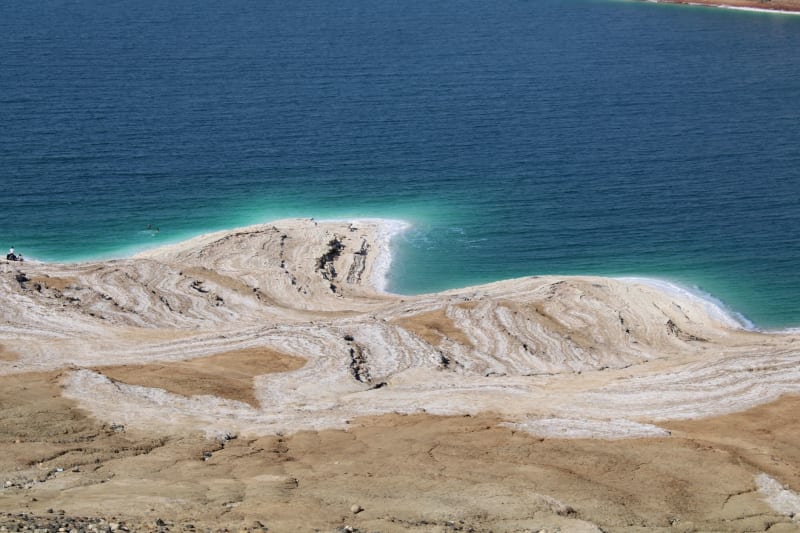 dead-sea-region
 Jericho
The oldest city on Earth, sitting below sea level in a palm-filled oasis that defies everything around it.
Explore