Middle East
Dead Sea
"You don't float here — the water simply refuses to let you sink."
The lowest place on Earth, where the salt is so thick it burns your eyes and the silence at dawn feels older than history.

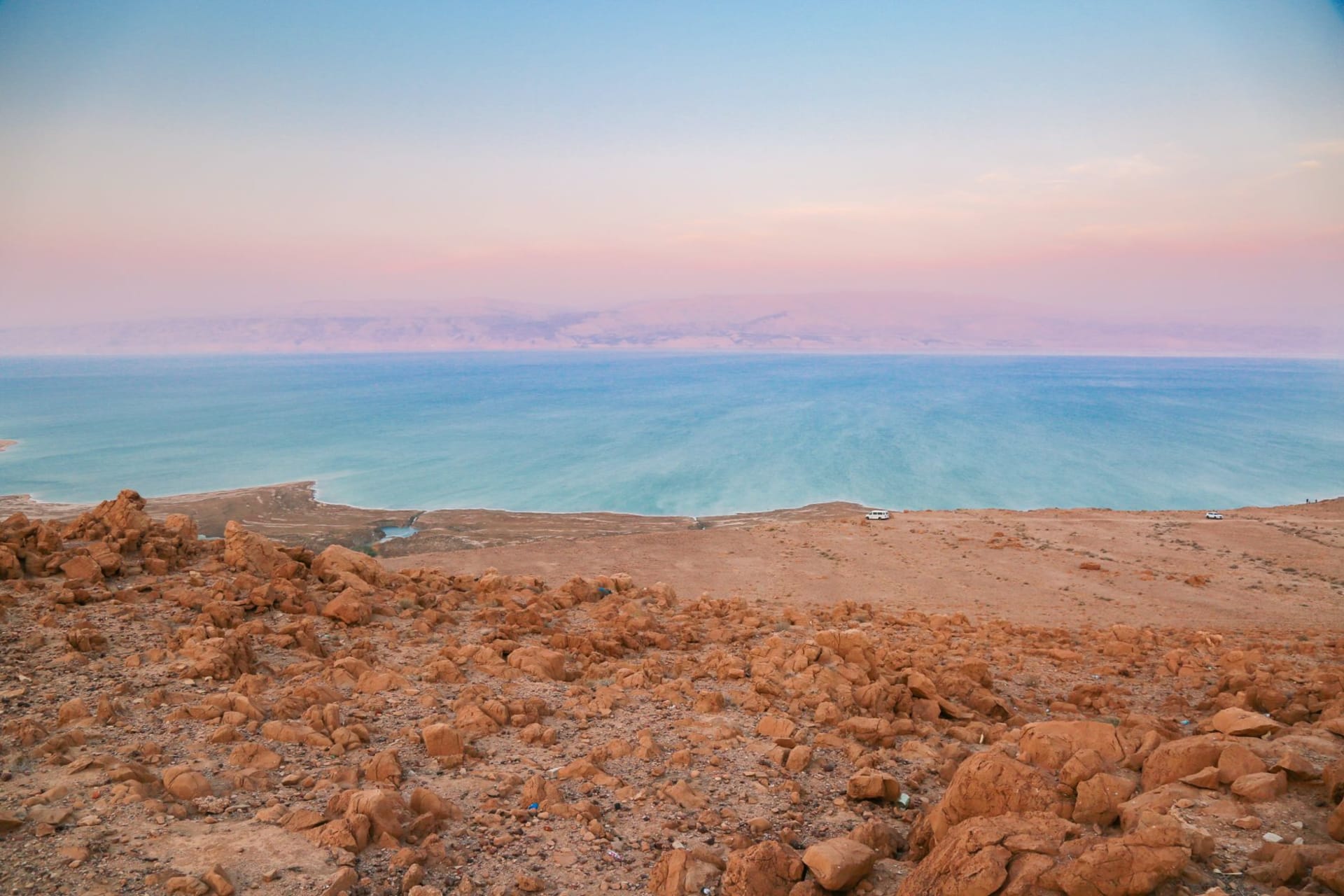
The taxi dropped me at the Jordanian shore just before first light. I expected something dramatic — a coastline that announced itself. What I got instead was silence so complete it felt pressurized. The water was perfectly flat, white salt crust edging the shore like a ring around a bathtub left too long. The air tasted faintly metallic. I hadn’t even waded in yet and already I understood why people have been making pilgrimages here for three thousand years.
Getting into the water is its own comedy. You walk in confidently, the way you would any sea, and then around knee-depth your legs betray you entirely — they refuse to go under. Your body tilts back whether you want it to or not. The salinity here, around 34%, is roughly ten times the ocean. You can hold a newspaper over your chest and read it. I didn’t bring a newspaper, but I stayed in for forty minutes and came out feeling like something had been reset in me, some tension I’d stopped noticing because I’d carried it so long. The mud at Amman Beach — black, sulfurous, the kind that stains everything including your dignity — costs nothing to slather on yourself and apparently does wonders for your skin. I smelled terrible for the rest of the day and felt great about it.
The landscape around the Dead Sea is what catches you off guard. From the Jordanian side, the cliffs of the West Bank rise steep and golden on the far shore, close enough to seem like a trick of distance. Wadi Mujib cuts into the hills nearby — a gorge so green and improbable after all that salt and stone it looks transplanted from another planet. On the Israeli side, Masada looms above the water, the old Herodian fortress that requires either a cable car or a 5 a.m. climb to reach before the heat makes the trail lethal. I did both, at different visits. The cable car is faster. The climb is better.
When to go: October through April. Summer temperatures hover between 38–42°C and the UV reflection off the water is merciless. March and November are ideal — mild enough to walk the shore, warm enough to float without wincing, and thin enough on crowds that you can actually hear the quiet.
What most guides get wrong: They treat the Dead Sea as a single afternoon’s tick on a Jordan or Israel itinerary. You need at least one night — either at one of the resort hotels on the Jordanian shore or wild-camping somewhere in the wadi above. The water changes completely at different hours. At sunrise it goes silver and absolutely still. At noon it’s a mirror blinding you back. At dusk, with the salt crust catching pink light and the distant cliffs going amber, it becomes something you’d struggle to describe to someone who hasn’t seen it.
Explore
Places in Dead Sea
 dead-sea-region
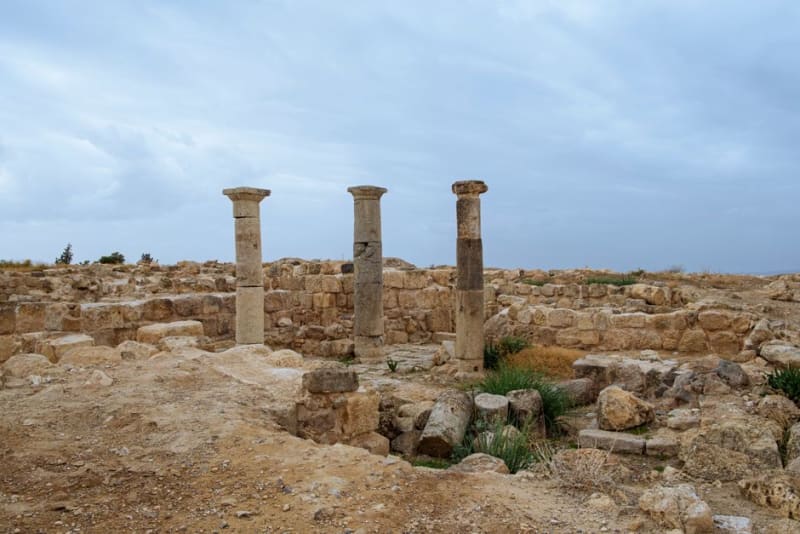
 Bab edh-Dhra
A vast Bronze Age cemetery and city mound near the Dead Sea's southern shore, holding half a million ancient tombs and a strong claim to being biblical Sodom.
Explore dead-sea-region
 Bethany Beyond the Jordan
The actual spot on the Jordan River where John baptized Jesus — smaller, quieter, and stranger than you imagine.
Explore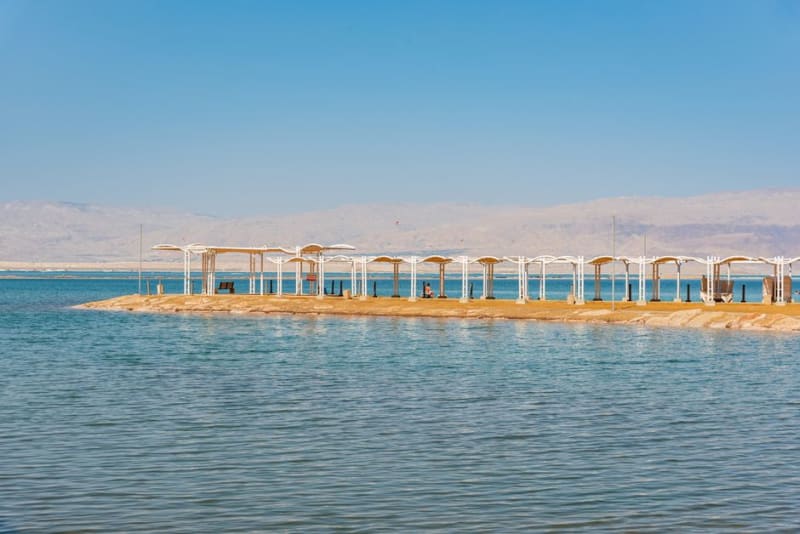 dead-sea-region
 Ein Bokek
Israel's Dead Sea resort strip, a row of spa hotels facing a shrinking shoreline where the world comes to float and be treated.
Explore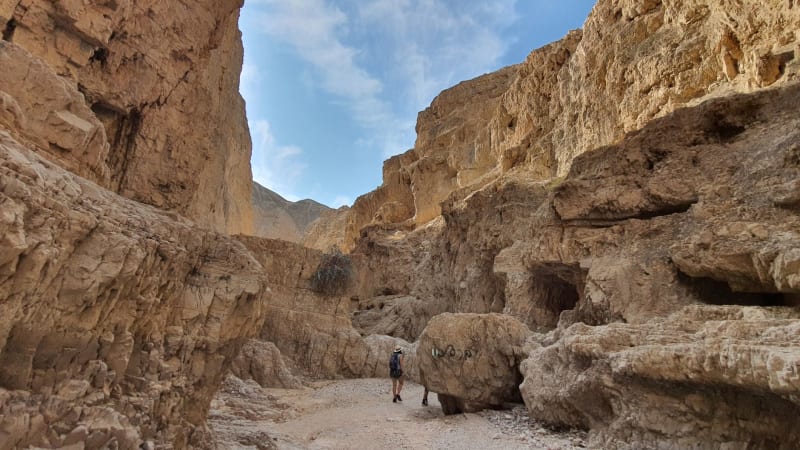 dead-sea-region
 Ein Gedi
A waterfall oasis hidden in the Judean Desert where ibex drink from pools and the green feels impossible.
Explore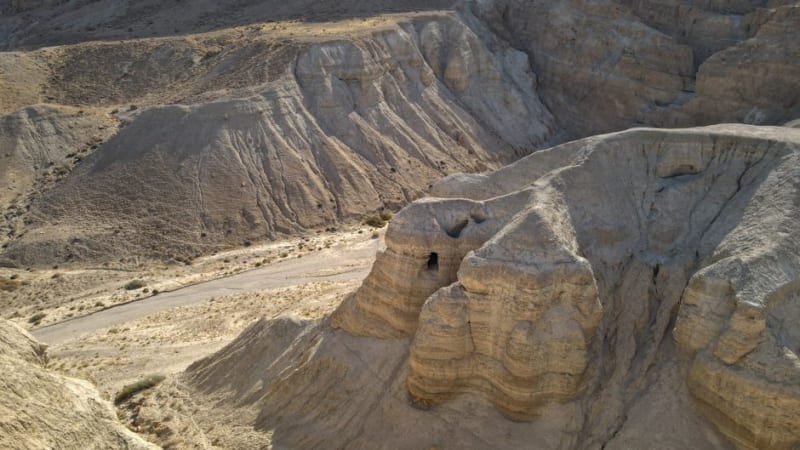 dead-sea-region
 Flour Cave
A short, strange chalk cave near Mount Sodom where the walls are so soft and white they coat you in powder like a bakery.
Explore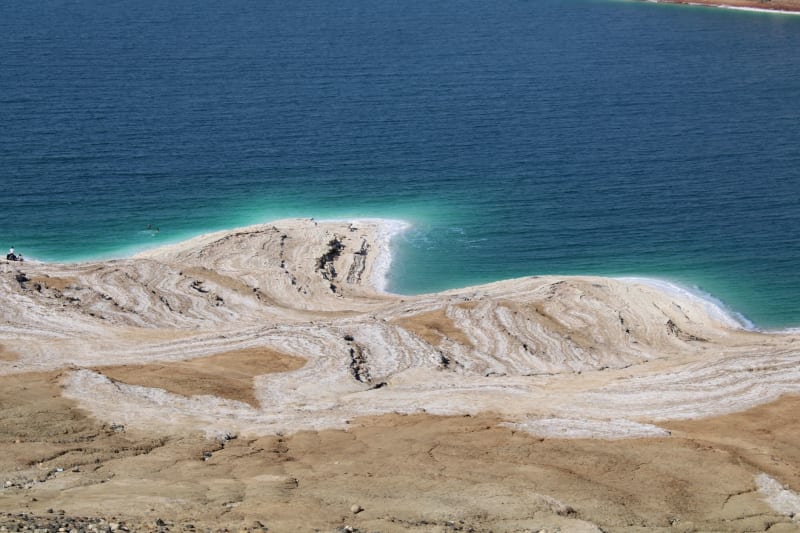 dead-sea-region
 Jericho
The oldest city on Earth, sitting below sea level in a palm-filled oasis that defies everything around it.
Explore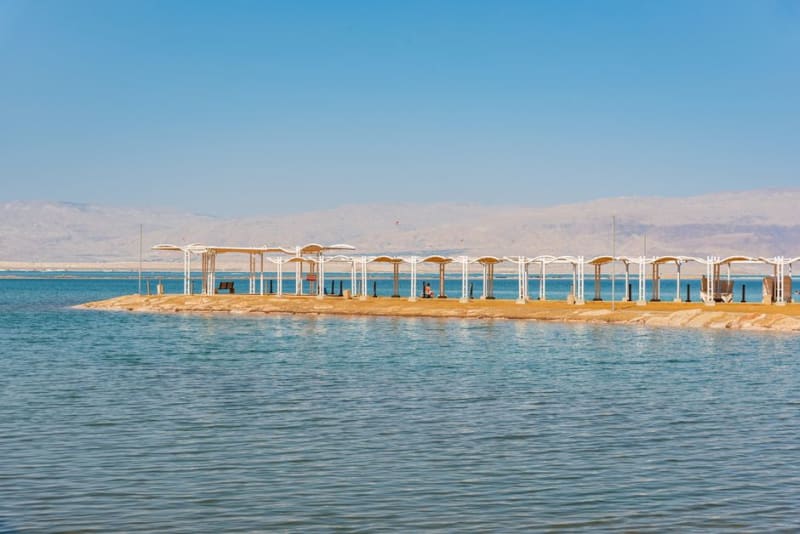 dead-sea-region
 Kalia Beach
A relaxed, kibbutz-run beach at the Dead Sea's northern tip where you can float, mud up, and watch the water shrink year by year.
Explore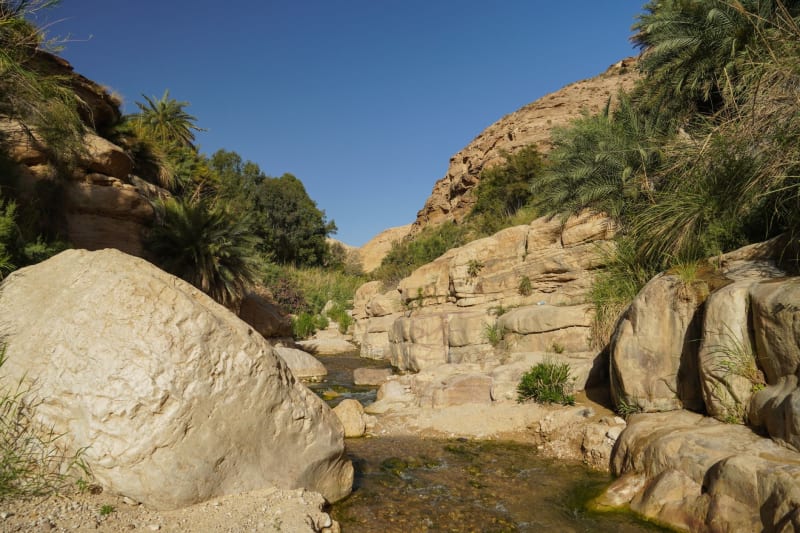 dead-sea-region
 Karak
A Crusader castle so massive it has swallowed an entire hilltop, with the Dead Sea glinting in the valley a thousand meters below.
Explore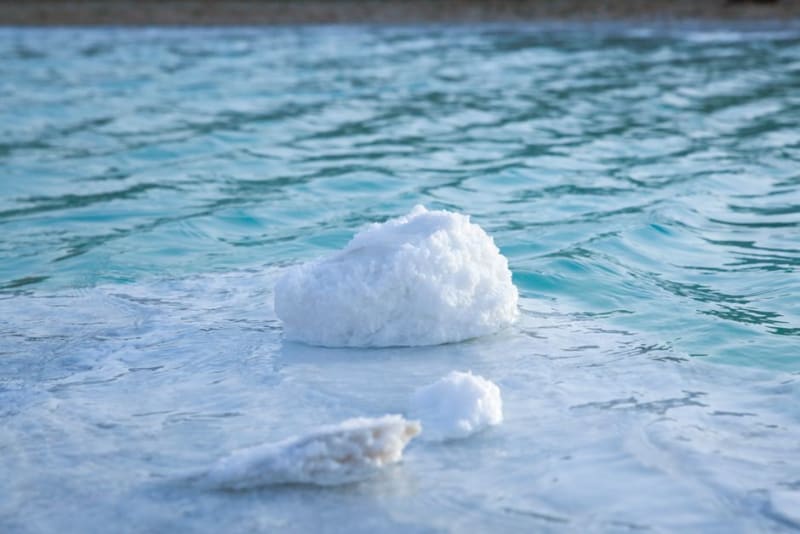 dead-sea-region
 Lisan Peninsula
A tongue of salt-crusted land reaching halfway across the Dead Sea, so remote and strange that almost no traveler ever sets foot on it.
Explore dead-sea-region
 Lot's Cave
A hillside cave and the ruins of a Byzantine monastery built around it, marking the spot where tradition says Lot sheltered after fleeing Sodom.
Explore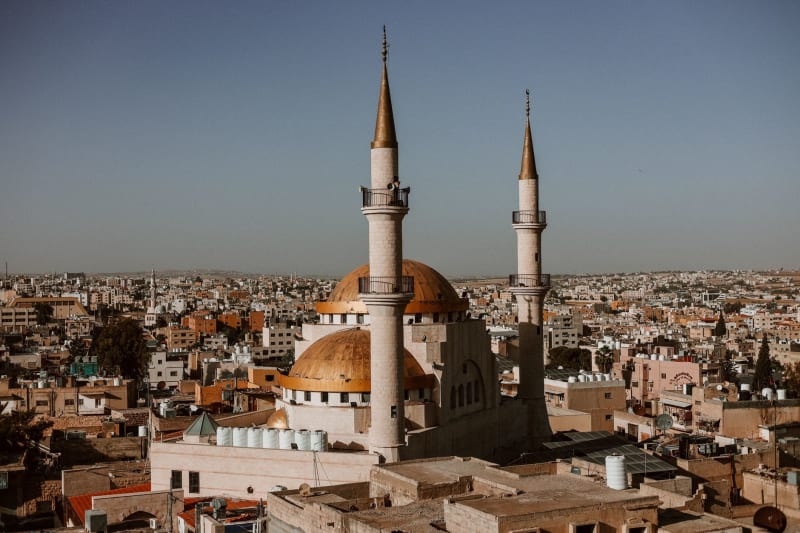 dead-sea-region
 Madaba
A Jordanian city where the oldest map of the Holy Land is set into a church floor in mosaic tiles the size of thumbnails.
Explore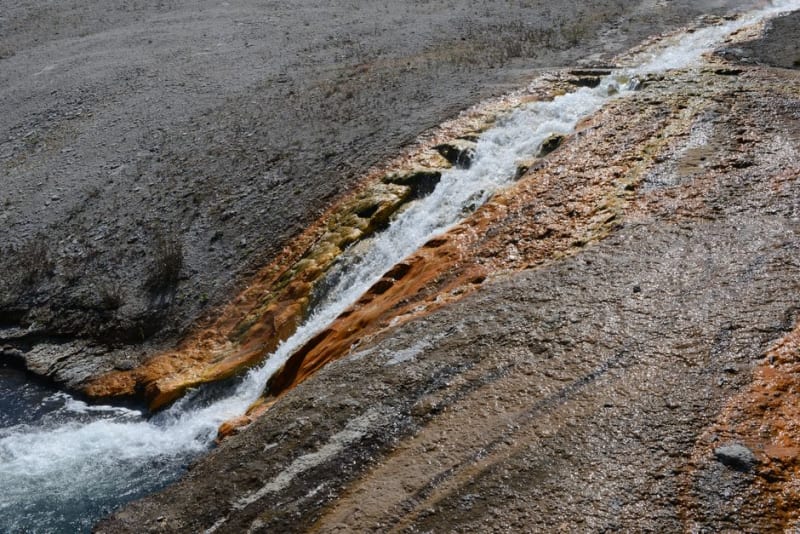 dead-sea-region
 Ma'in Hot Springs
A waterfall of scalding mineral water crashing into a desert canyon pool below sea level, steam rising against black volcanic rock.
Explore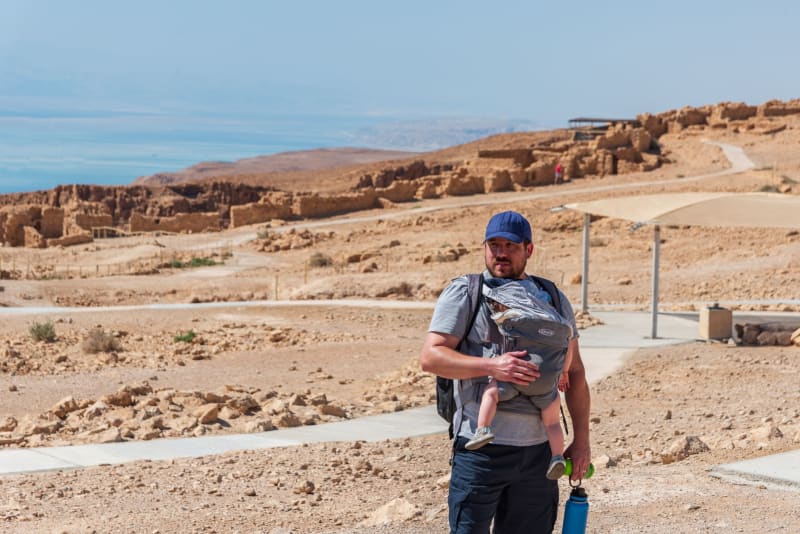 dead-sea-region
 Masada
A fortress on the edge of the world, where the silence of the plateau speaks louder than any history book.
Explore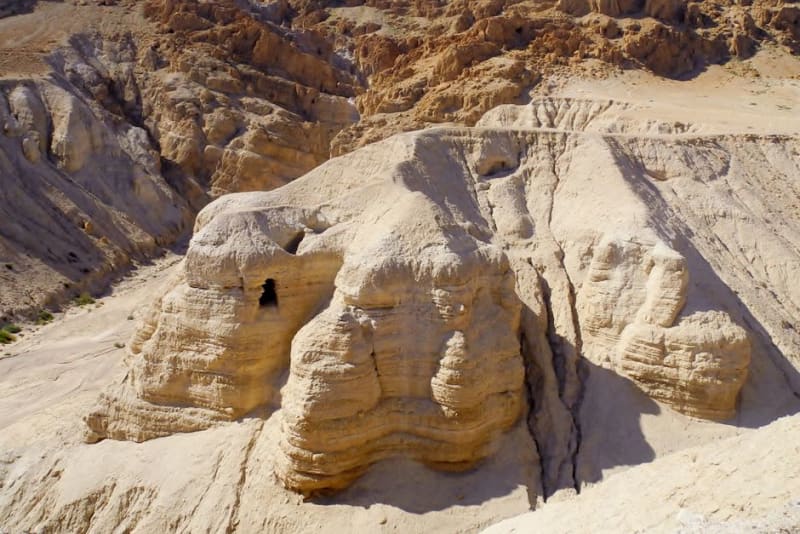 dead-sea-region
 Metzoke Dragot
Sheer Judean Desert cliffs plunging straight into the Dead Sea, laced with canyon trails, Byzantine caves, and views that stop conversation.
Explore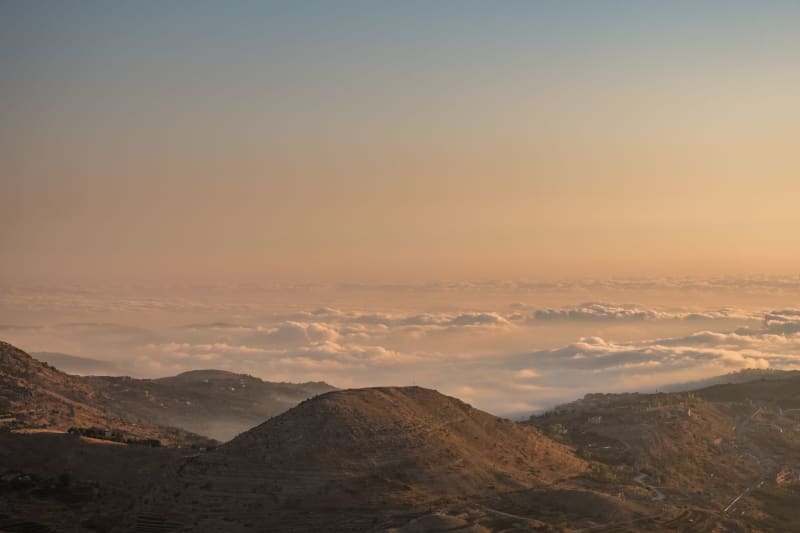 dead-sea-region
 Mount Nebo
The mountain where Moses saw the Promised Land before dying — and the view still earns that story completely.
Explore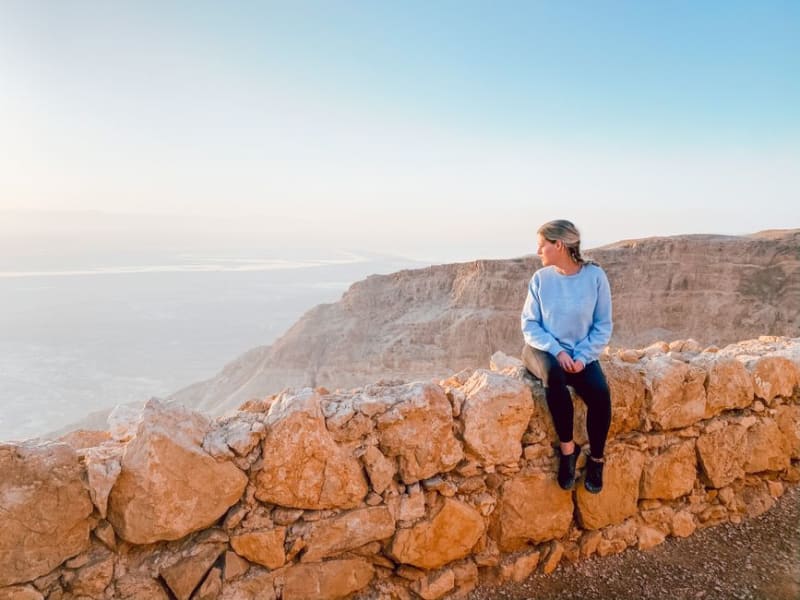 dead-sea-region
 Mount Sodom
An entire mountain made of solid rock salt, riddled with caves and crowned by a pillar locals still call Lot's Wife.
Explore