Mount Sodom
"A mountain you can lick, which I did, out of curiosity, and instantly regretted."
An entire mountain made of solid rock salt, riddled with caves and crowned by a pillar locals still call Lot's Wife.
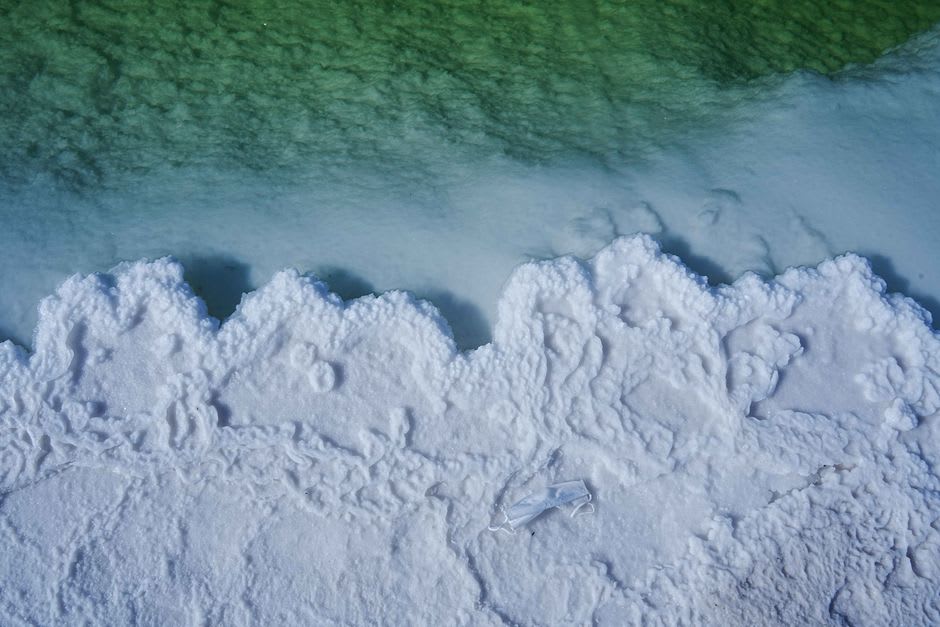
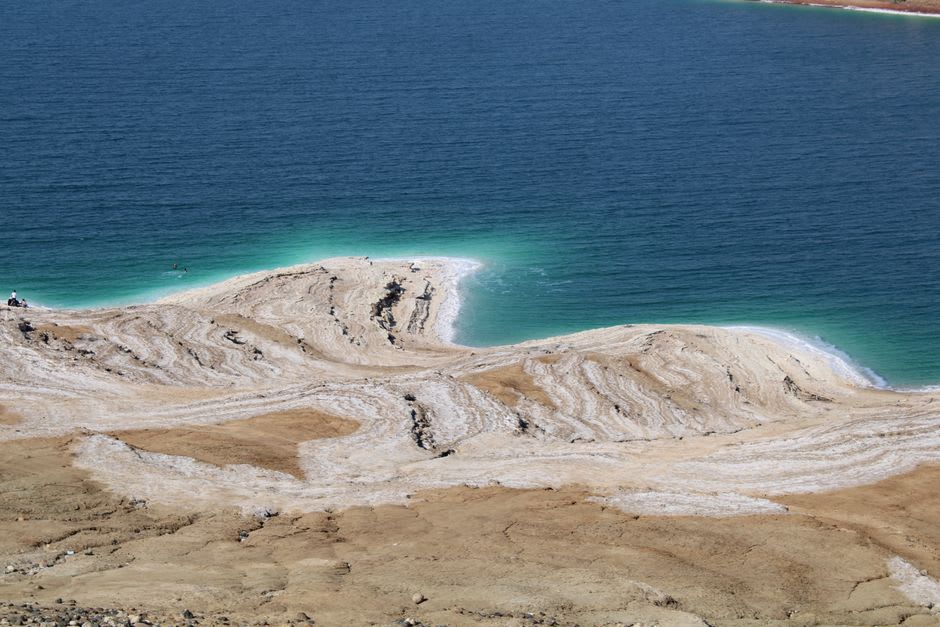
Mount Sodom runs for about eleven kilometers along the southwestern edge of the Dead Sea, and the thing that takes a minute to actually register is that it isn’t a mountain with salt deposits — it’s a mountain almost entirely made of salt, an exposed diapir pushed up from an ancient buried salt layer over hundreds of thousands of years. I hiked a section of it in the late afternoon, and the ground crunched underfoot in a way that no other desert hike has ever sounded, salt crystals catching the low sun and throwing off small flashes of light like the whole ridge was faintly sequined. Rain, rare as it is here, has carved the mountain into a landscape of sinkholes, caves, and narrow slot canyons — geologically active in a way that feels almost unsettling, since a cave floor that’s solid one year can collapse into a new sinkhole the next.
The famous landmark here is a solitary salt pillar near the mountain’s base that Jewish, Christian, and Muslim tradition alike have long identified as Lot’s wife, turned to salt for looking back at the destruction of Sodom. It’s a modest thing, honestly, a few meters tall, slowly eroding and reshaping year by year as wind and the rare flash flood work on it, and there’s something quietly moving about the fact that people have been pointing at this exact pillar and telling this exact story for something like two thousand years. I stood next to it for a while, in the enormous quiet of the salt flats, and understood the appeal of turning a strange rock formation into a permanent warning.
The caves cutting into the mountain, including the long Malham Cave nearby, are among the longest salt caves on Earth, and even a short unguided scramble into one of the smaller entrances gave me a sense of just how strange this geology is — walls you can carve with a fingernail, the faint mineral smell, total darkness a few meters in.
When to go: October through April; midday summer heat on the exposed salt surface is dangerous. Bring sturdy shoes — the salt crust is sharp enough to cut through thin soles.
Keep exploring
More from Dead Sea
 dead-sea-region
 Qumran
Where a shepherd's thrown stone accidentally uncovered the most important manuscript find of the twentieth century.
Explore dead-sea-region
 Wadi Dana
Jordan's largest nature reserve descends from juniper forest to desert canyon in a single day's hike and almost no one takes it.
Explore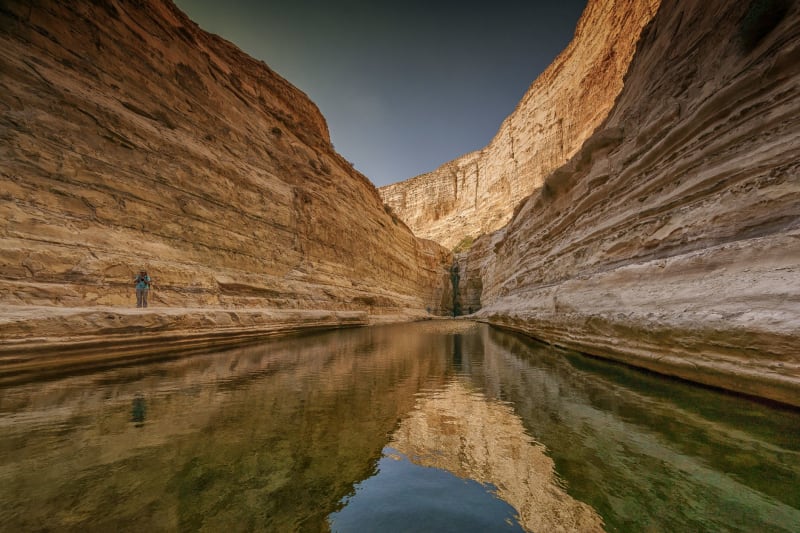 dead-sea-region
 Wadi Mujib
A slot canyon where the river meets the Dead Sea — you wade chest-deep through cold rushing water into the cliffs.
Explore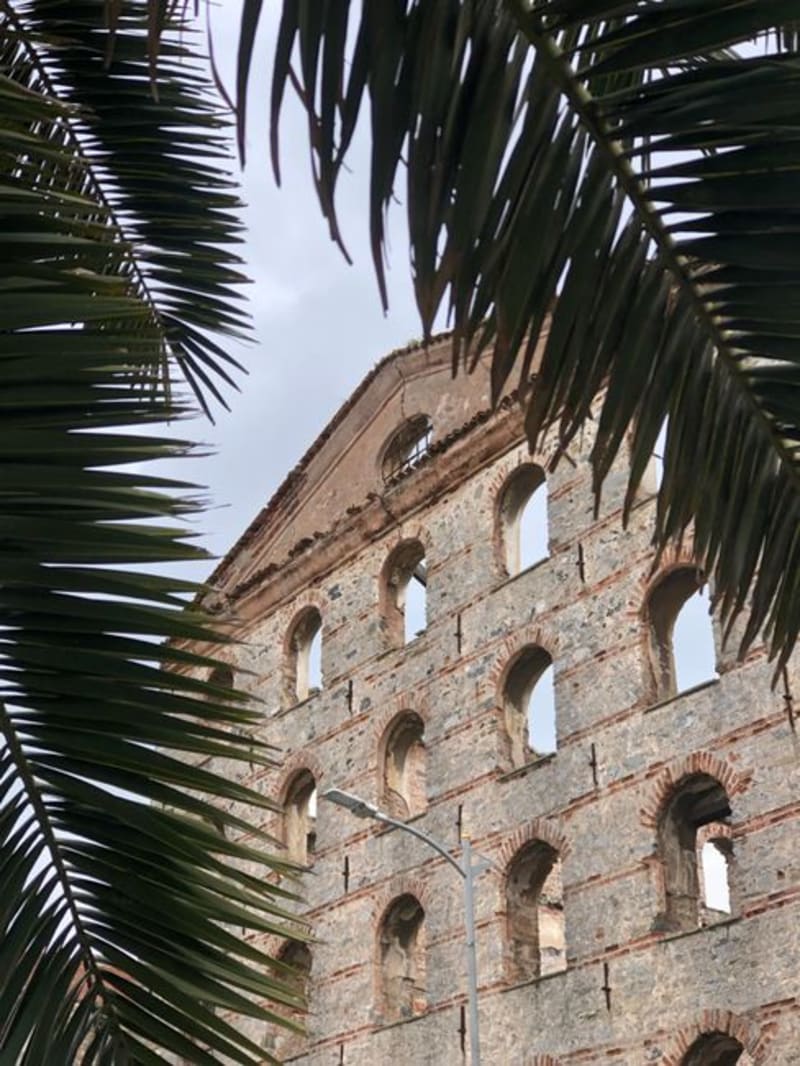 dead-sea-region
 Zoara
A dusty oasis town at the Dead Sea's southern tip whose ruined sugar mills once supplied medieval Europe and whose name appears in Genesis.
Explore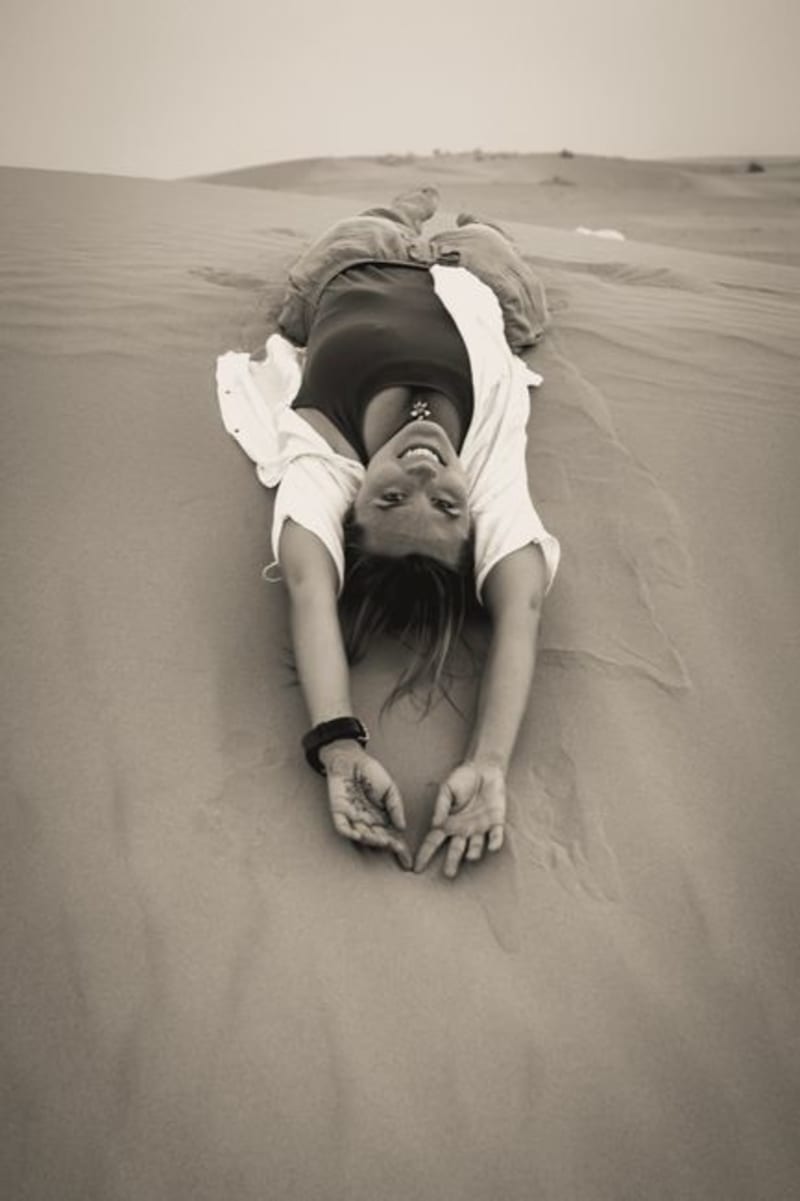 dead-sea-region
 Bab edh-Dhra
A vast Bronze Age cemetery and city mound near the Dead Sea's southern shore, holding half a million ancient tombs and a strong claim to being biblical Sodom.
Explore dead-sea-region
 Bethany Beyond the Jordan
The actual spot on the Jordan River where John baptized Jesus — smaller, quieter, and stranger than you imagine.
Explore