Lot's Cave
"A cave, a chapel, and mosaic floors laid by monks who believed they were standing on sacred ground."
A hillside cave and the ruins of a Byzantine monastery built around it, marking the spot where tradition says Lot sheltered after fleeing Sodom.
The site is properly called Deir Ain Abata, and it sits on a hillside above the southeastern shore of the Dead Sea, close to modern Safi, in what would have been the biblical town of Zoar. I climbed up on a hot morning with a site guard as my only company, past scattered column fragments and low stone walls, to a small dark cave carved into the hillside that Byzantine Christians identified, by at least the fifth century, as the place where Lot took refuge with his daughters after the destruction of Sodom and Gomorrah. Whether or not you take the story literally, the archaeology is entirely real — a monastery grew up around this cave, with a church, a hostel for pilgrims, and cisterns cut into the rock to catch what little rain fell.
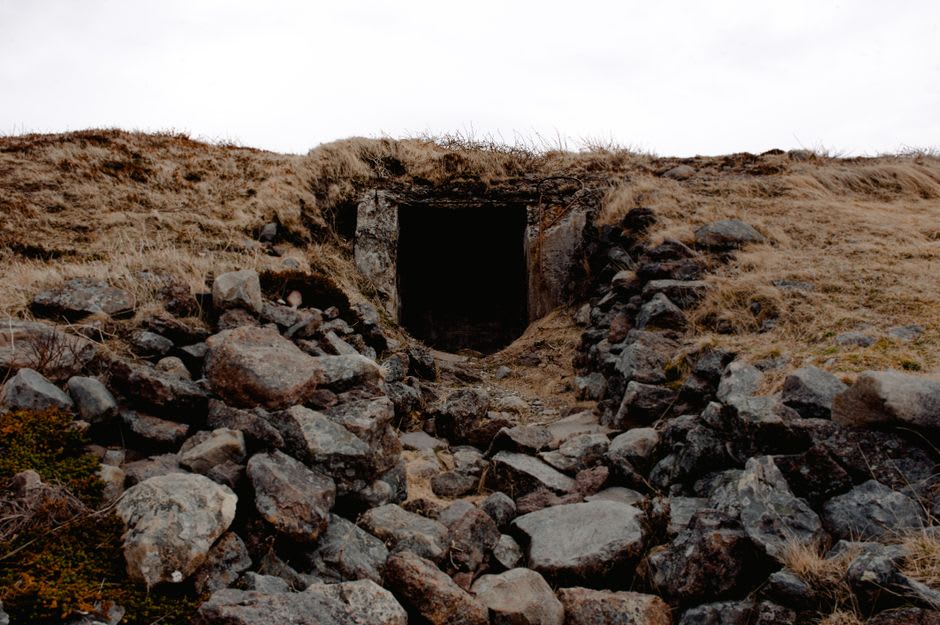
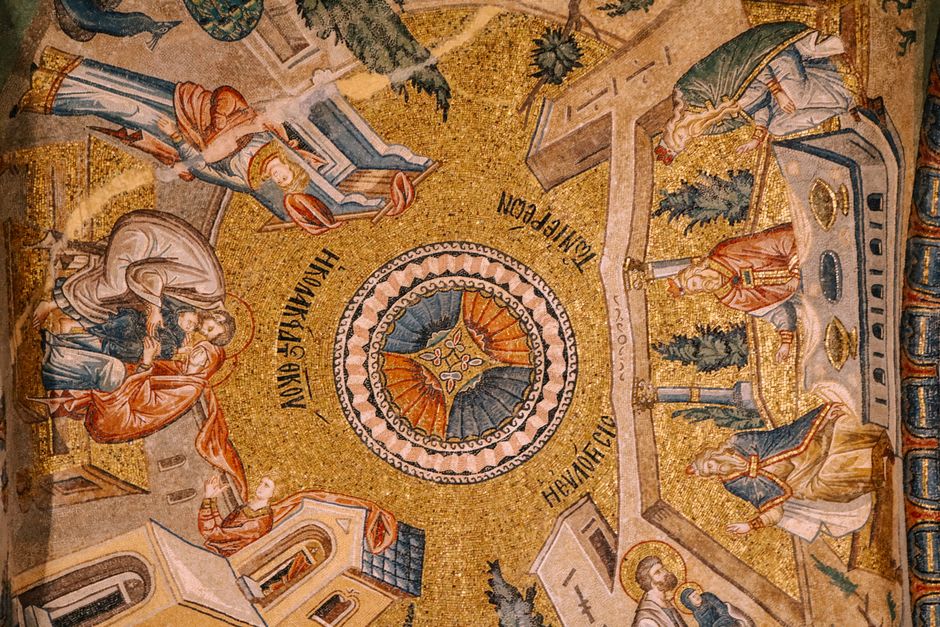
What struck me most wasn’t the cave itself, which is small and unremarkable to look at, but the mosaic floors preserved in the church next to it — geometric patterns in ochre, black, and white, still sharp enough after fifteen centuries that you could trace the borders with your finger, which of course I wasn’t allowed to do and did anyway when the guard looked away. Excavations here turned up an inscription dating one of the mosaics to 606 AD, along with coins, oil lamps, and a small museum’s worth of pottery that’s now displayed in a modest visitor center at the base of the hill. Standing at the top, looking down at the Dead Sea shimmering in the heat and the green ribbon of the Safi oasis below, I understood why early pilgrims chose this particular hillside — it has the kind of view that makes you want to build something permanent to mark it.
The site gets almost no visitors compared to the biblical heavyweights further north, and I had the whole hillside to myself for over an hour. There’s something valuable in that kind of solitude at a place this layered with belief and history — no crowd to hurry you past the details, just the wind, the heat, and fifteen centuries of people who thought this particular cave mattered enough to build a monastery around it.
When to go: October through April, ideally morning, before the sun gets high enough to make the exposed hillside brutal. Combine it with a stop in nearby Safi for the ancient sugar mill ruins on the same trip.
Keep exploring
More from Dead Sea
 dead-sea-region
 Madaba
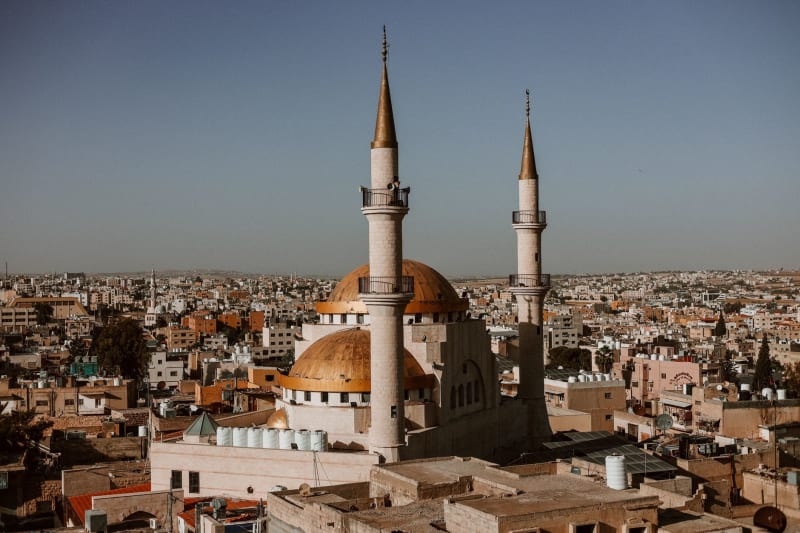
A Jordanian city where the oldest map of the Holy Land is set into a church floor in mosaic tiles the size of thumbnails.
Explore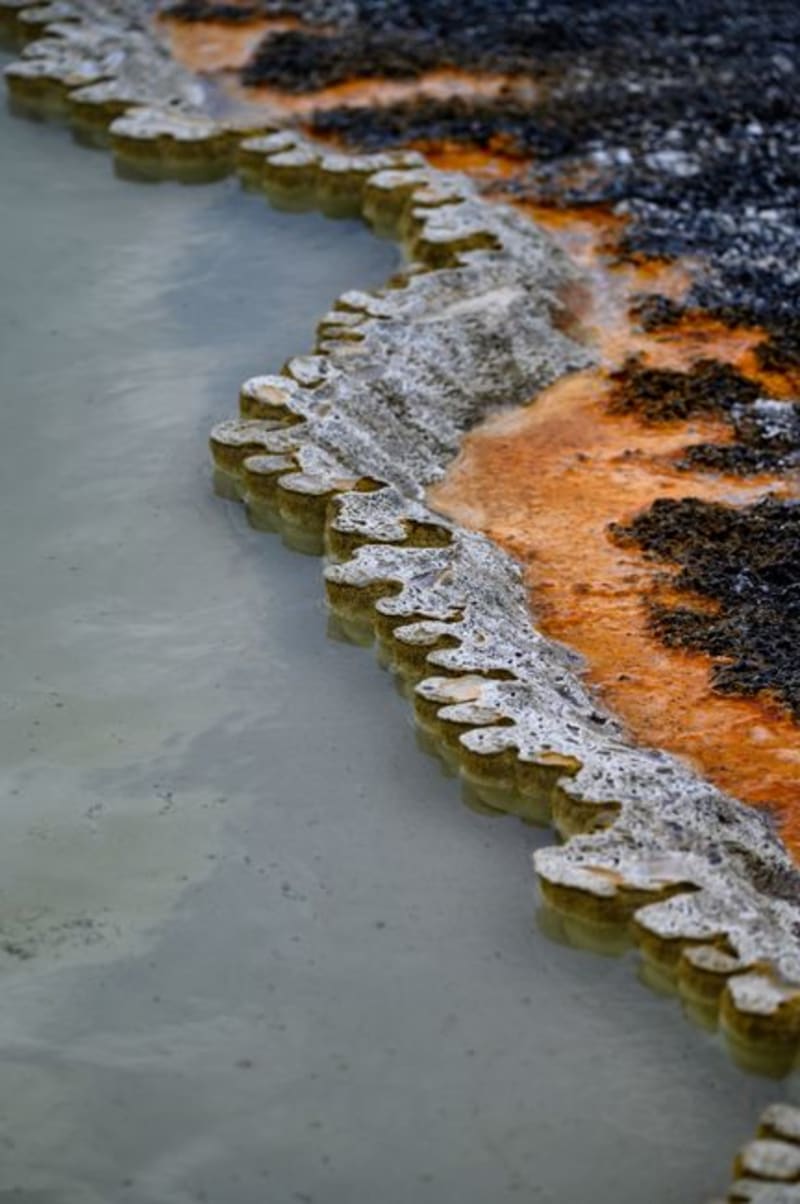 dead-sea-region
 Ma'in Hot Springs
A waterfall of scalding mineral water crashing into a desert canyon pool below sea level, steam rising against black volcanic rock.
Explore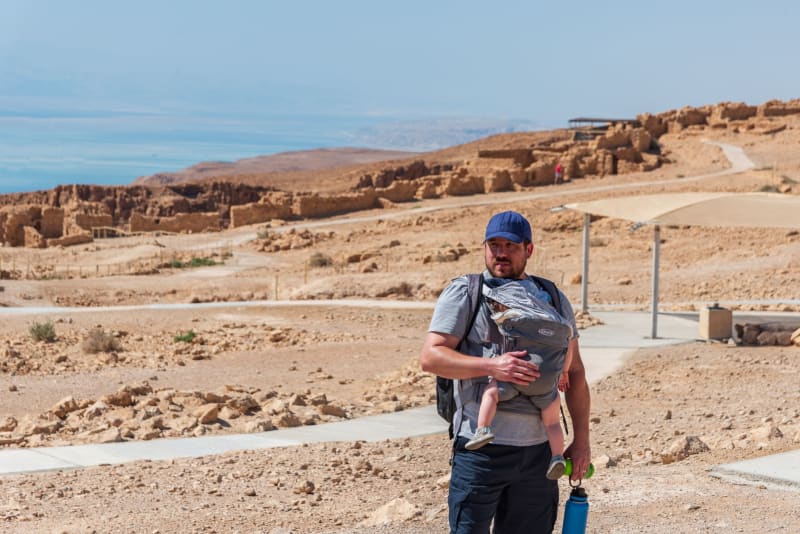 dead-sea-region
 Masada
A fortress on the edge of the world, where the silence of the plateau speaks louder than any history book.
Explore dead-sea-region
 Metzoke Dragot
Sheer Judean Desert cliffs plunging straight into the Dead Sea, laced with canyon trails, Byzantine caves, and views that stop conversation.
Explore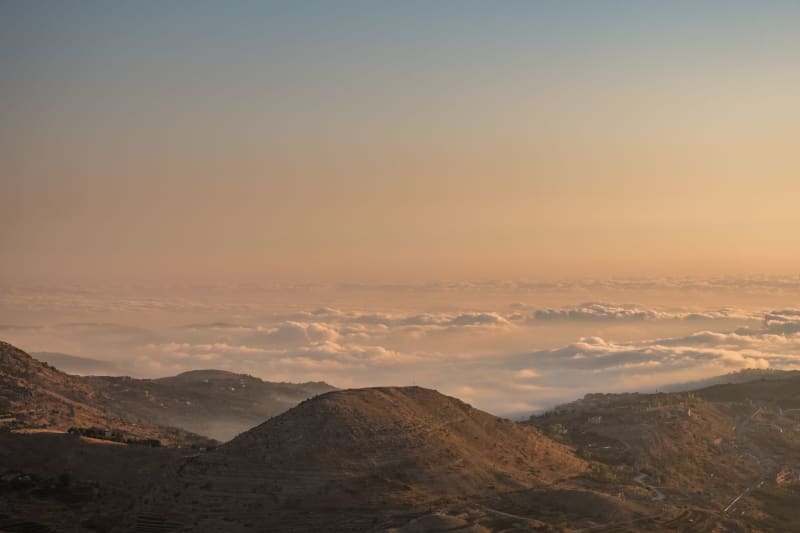 dead-sea-region
 Mount Nebo
The mountain where Moses saw the Promised Land before dying — and the view still earns that story completely.
Explore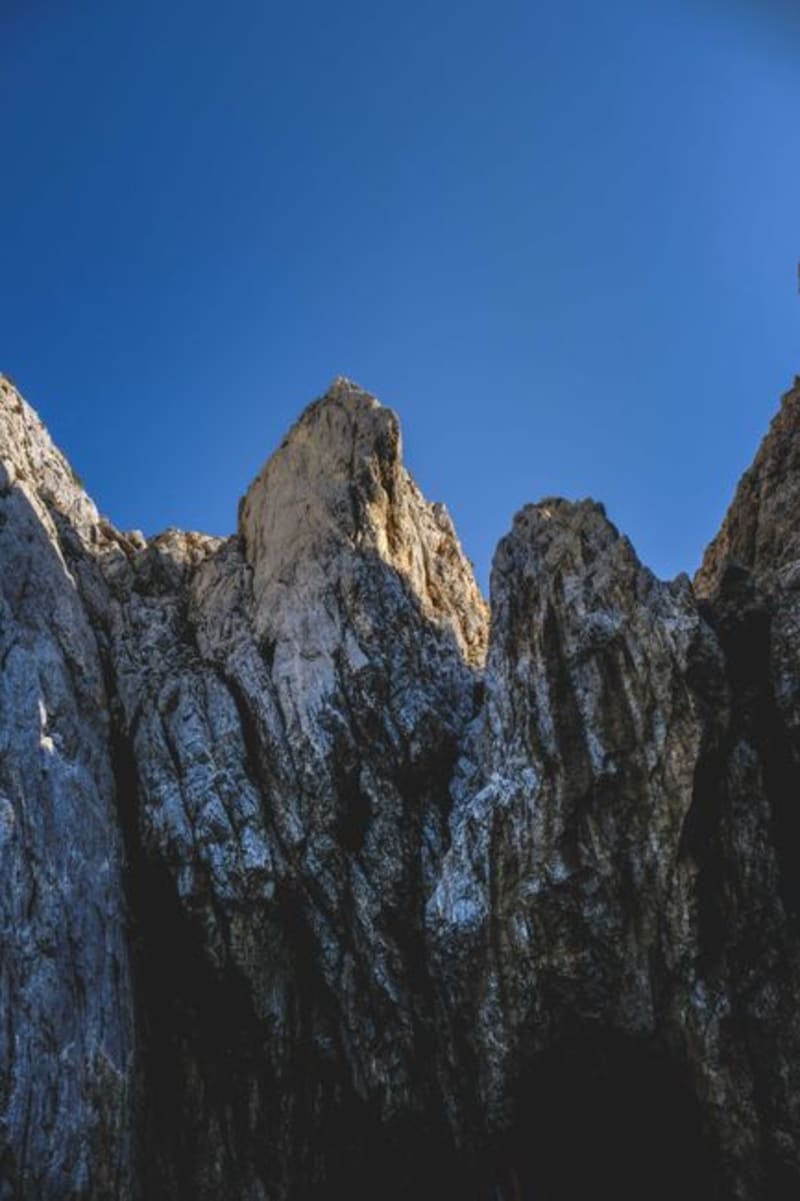 dead-sea-region
 Mount Sodom
An entire mountain made of solid rock salt, riddled with caves and crowned by a pillar locals still call Lot's Wife.
Explore