A ridge-top trail on the Nepal-India border where four of the world's five highest peaks rise into a single, staggering view.
We left Darjeeling before sunrise, and by the time the jeep dropped us at the park gate, my hands were numb around a paper cup of tea I’d forgotten to drink. Lia was already ahead of me, breath fogging, staring up at a ridge that seemed to run straight into Nepal without asking anyone’s permission. Singalila National Park sits exactly on that border, and for four days our trail wandered back and forth across a line I mostly couldn’t see, marked sometimes by nothing more than a change in the color of a roof tile in the villages we passed through — Tumling first, then Kalpokhri, its little lake dark and still under the pines.
Sandakphu was the reason we’d come, though I didn’t fully understand why until we got there. At 3,636 meters, it’s the highest point in West Bengal, and the guesthouse owner who poured us dinner that night told us, almost bored by how often he must say it, that on a clear morning you can see four of the world’s five highest peaks from the same ridge: Everest, Kangchenjunga, Lhotse, Makalu. I woke at 4:30, cold in a way I hadn’t been cold in years, and stepped outside to find Lia already there, wrapped in every layer she owned, watching Kangchenjunga catch the first orange light like it was lit from inside.
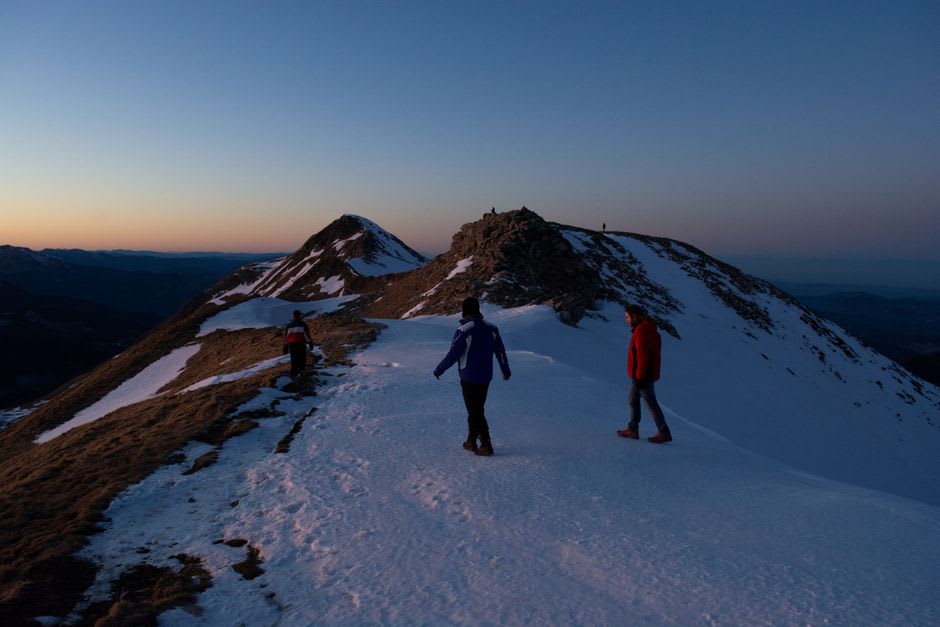
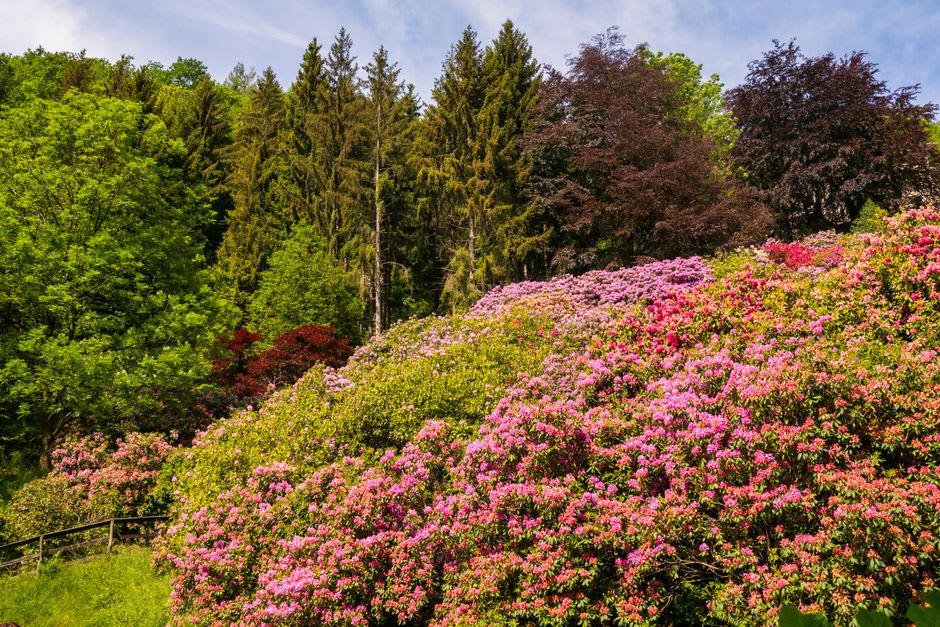
What surprised me most wasn’t the peaks, though — it was the forest we walked through to reach them. The park was designated back in 1986 partly to protect the red panda and the Himalayan black bear, and while we never saw either (our guide swore he’d spotted a red panda’s tail disappearing into a tree once, three years ago, and has been telling the story ever since), we walked for hours under rhododendron trees that our timing turned into something almost unfair to describe. Whole slopes of red, pink, and white blooms, low cloud drifting between the trunks, the trail soft with fallen petals. I took more photos of rhododendrons that week than I have of any single flower in my life.
By the time we reached Phalut on the last stretch, my knees had opinions about the whole trip, but I didn’t want it to end. There’s a particular quiet on that ridge — no road noise, no engines, just wind, prayer flags, and the occasional bell from a mule train — that I still think about on loud days back in Mexico City traffic. It’s the kind of trek that rearranges something in you a little, and I’m already scheming how to get Lia back up there.
When to go: April and May bring the rhododendrons into full, riotous bloom along with the clearest mountain views, while October through December offers crisp, dry air that makes for easier, more reliable trekking days — just pack for genuinely cold nights either way.
Keep exploring
More from Darjeeling
 darjeeling
 Tiger Hill
A pre-dawn pilgrimage to the summit where Kanchenjunga, Everest, and Makalu ignite simultaneously above the cloud line.
Explore darjeeling
 Batasia Loop
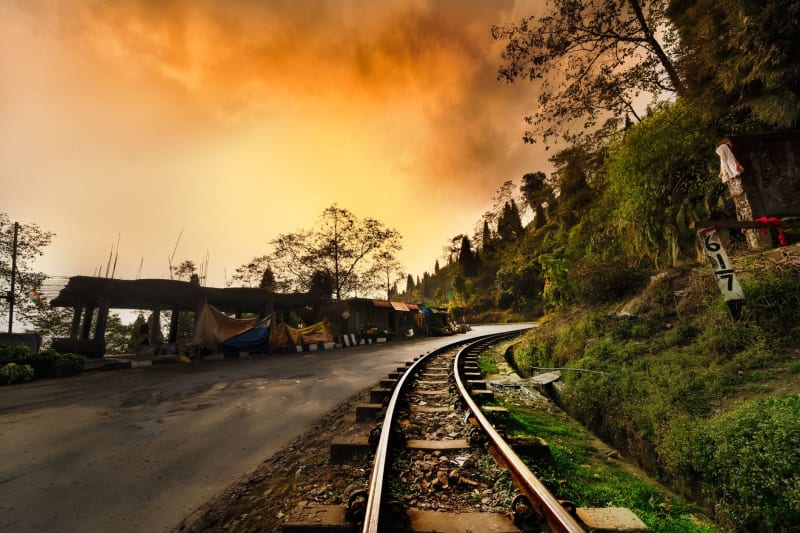
The Himalayan Railway's most theatrical engineering trick — a complete spiral in the hillside where what was ahead of you is suddenly below you.
Explore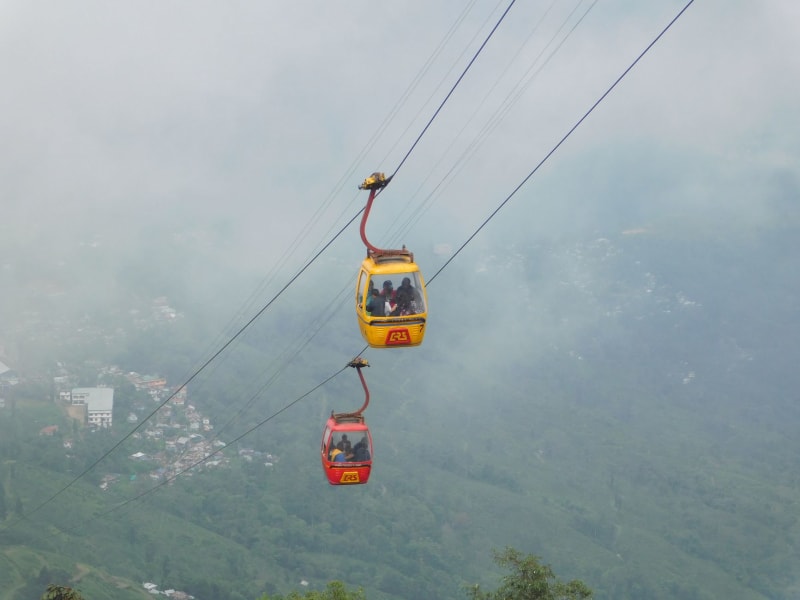 darjeeling
 Ghoom
A cloud-wrapped village at the top of the world's highest narrow-gauge railway, built around a monastery and entirely indifferent to being a destination.
Explore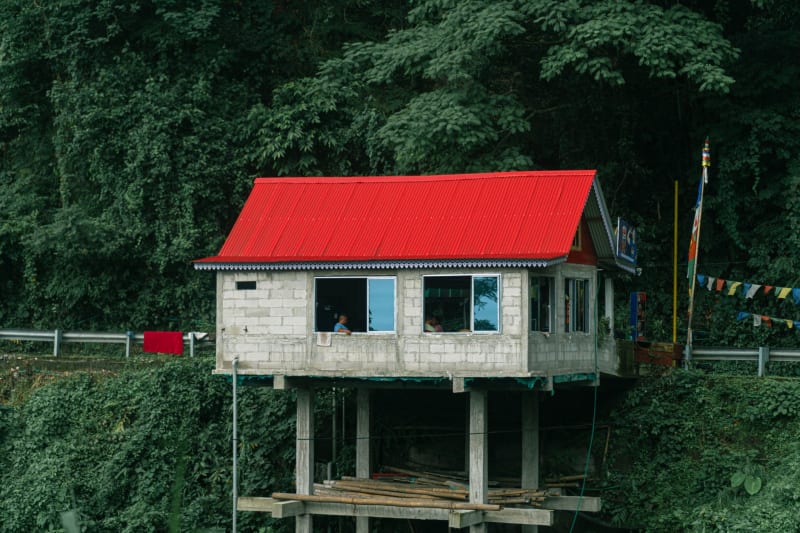 darjeeling
 Happy Valley Tea Estate
One of India's oldest working tea estates, close enough to walk to from town, where the factory smell alone explains everything about Darjeeling.
Explore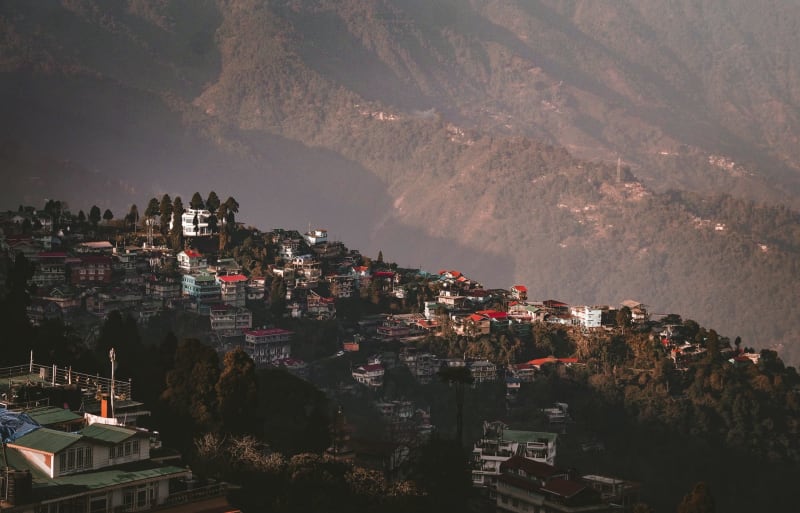 darjeeling
 Jungpana Tea Estate
A high-altitude estate accessible only by intention, producing a Muscatel Darjeeling so specific to its valley that there is simply no substitute.
Explore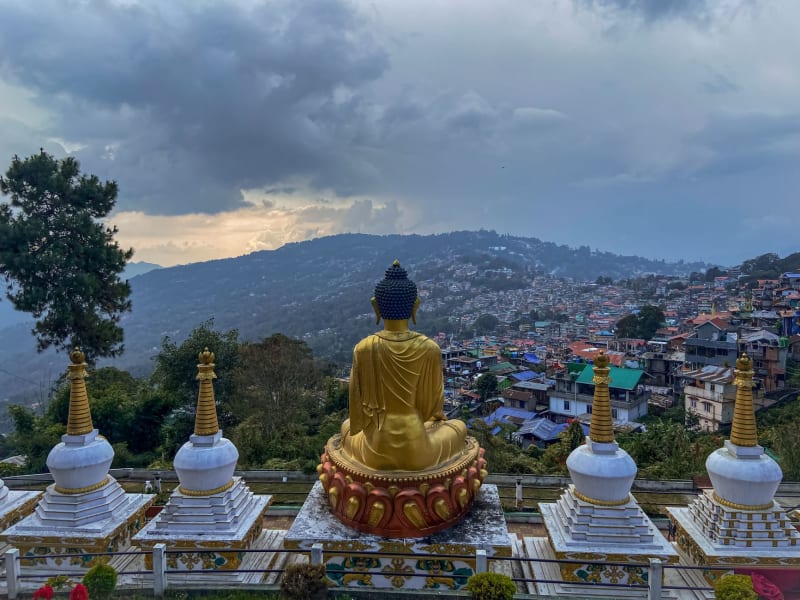 darjeeling
 Kalimpong
A former trading crossroads between Tibet and Bengal where orchid nurseries line the hillsides and the Sunday market still smells of everything at once.
Explore