Samsø
"The turbines were turning so slowly I thought they were decorative. They power the whole island."
I came to Samsø expecting something earnest and slightly tedious — the kind of place that presents itself primarily as an idea rather than a destination, where the windmills have explanatory plaques and the organic café offers information leaflets with your coffee. What I found was an island that had gotten on quietly with being itself, and had happened, in the process of doing that, to become carbon neutral. The politics of the thing were invisible. The potatoes were extraordinary.
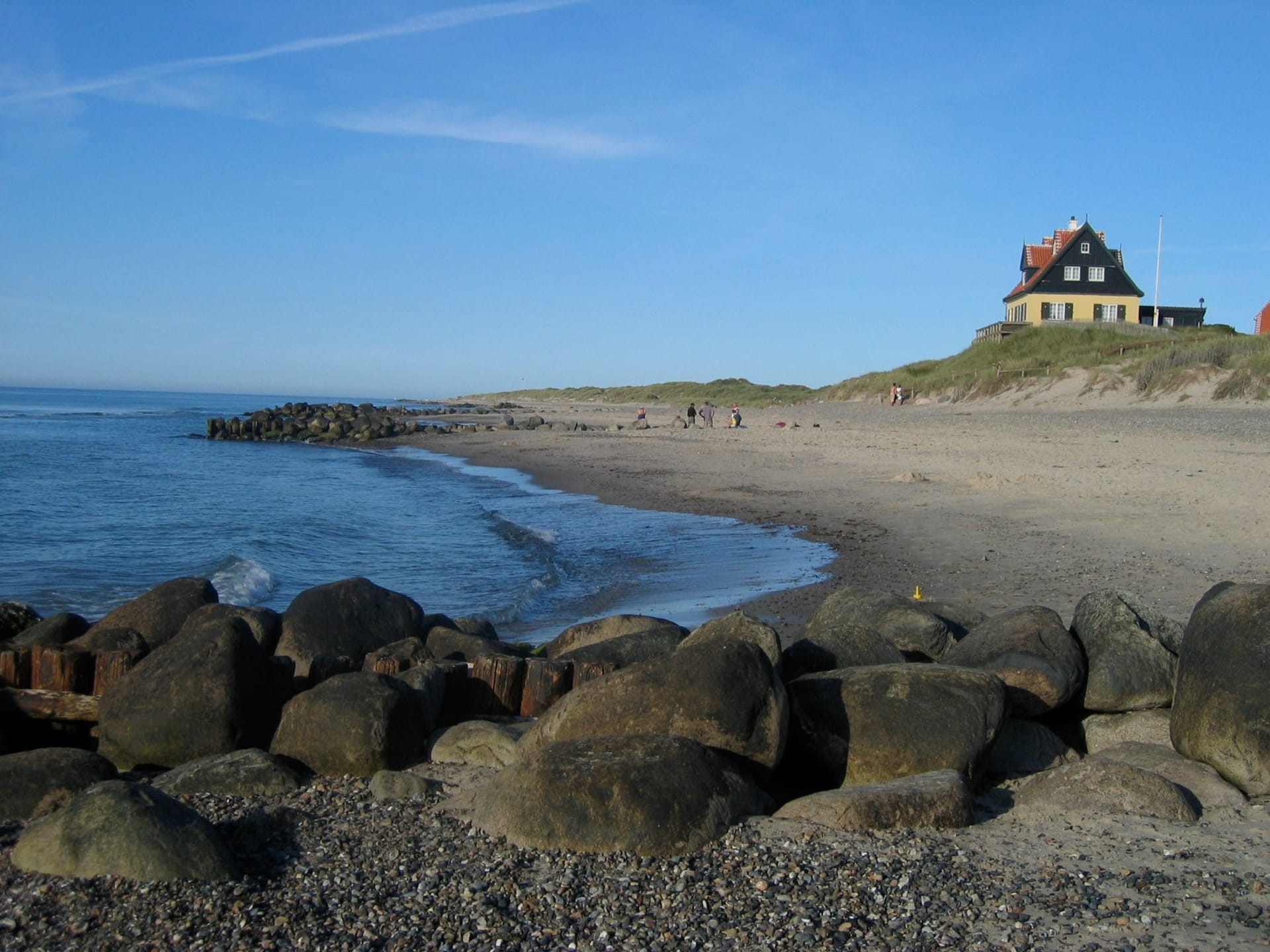
You reach Samsø by ferry from Kalundborg or Hou, and the crossing across the Kattegat takes about an hour depending on your port of origin. The island is twenty-two kilometres long and eight at its widest, and its landscape is agricultural in the most unpretentious sense — fields of grain and root vegetables running down to low cliffs and small beaches, punctuated by hedgerows and farm buildings and the occasional yellow farmhouse that catches the light in a way that makes you briefly reach for your phone. The eleven offshore wind turbines visible from the eastern shore produce more electricity than the island consumes, making Samsø a net exporter of renewable energy, a fact that the locals mention with the same matter-of-fact delivery they use for everything else.

The potatoes are not a joke. Samsø Kartofler have been grown on this island since at least the seventeenth century, and the combination of the island’s specific soil composition — light, sandy, well-draining — and the maritime climate produces a new potato in early summer that is different in texture and sweetness from anything you’ll find on the mainland. I bought a bag from a roadside stand near Onsbjerg that operated on the honour system: take the potatoes, leave the money in the tin. I cooked them simply that evening, boiled and buttered, and ate them with something that might have been embarrassing reverence. They were waxy and sweet and tasted precisely of where they came from, which is the highest thing you can say about a potato.
The main town, Tranebjerg, is modest and functional — a supermarket, a handful of restaurants, the island’s only petrol station — and makes no particular claims on your attention beyond being the administrative centre of an island that doesn’t particularly need administrating. The more interesting settlement is Nordby, in the northern part of the island, where the streets are tight enough to require a certain deliberateness of navigation and where an excellent small restaurant serves a changing menu built almost entirely from what the island produces. I had a local lamb chop with new potatoes and a sauce I couldn’t identify but could have eaten with a spoon. The wine list had three bottles and was the correct length.

The coastline rewards a full circumnavigation by bicycle, which is the island’s primary recommendation to visitors and the one it makes gently rather than forcefully. The roads are quiet enough that even on a summer weekend you’ll spend long stretches cycling alone, with the sea appearing and disappearing through field gaps to your left or right depending on direction. The beaches are mostly small and stony rather than sandy, but the water is clear and shallower than you’d expect, and on warm days in July the Kattegat turns a blue that seems to belong to a more southern latitude. I swam twice, which is more than I’d planned, and emerged both times with that particular salt-clean feeling that only the cold northern seas produce.
When to go: Late June and July for the new potato season and warm enough water to swim. September is quietly beautiful and almost empty. The island has a growing reputation for summer festivals — check the calendar before booking if you want solitude, or embrace the community atmosphere if you don’t.