Europe
Danish Islands
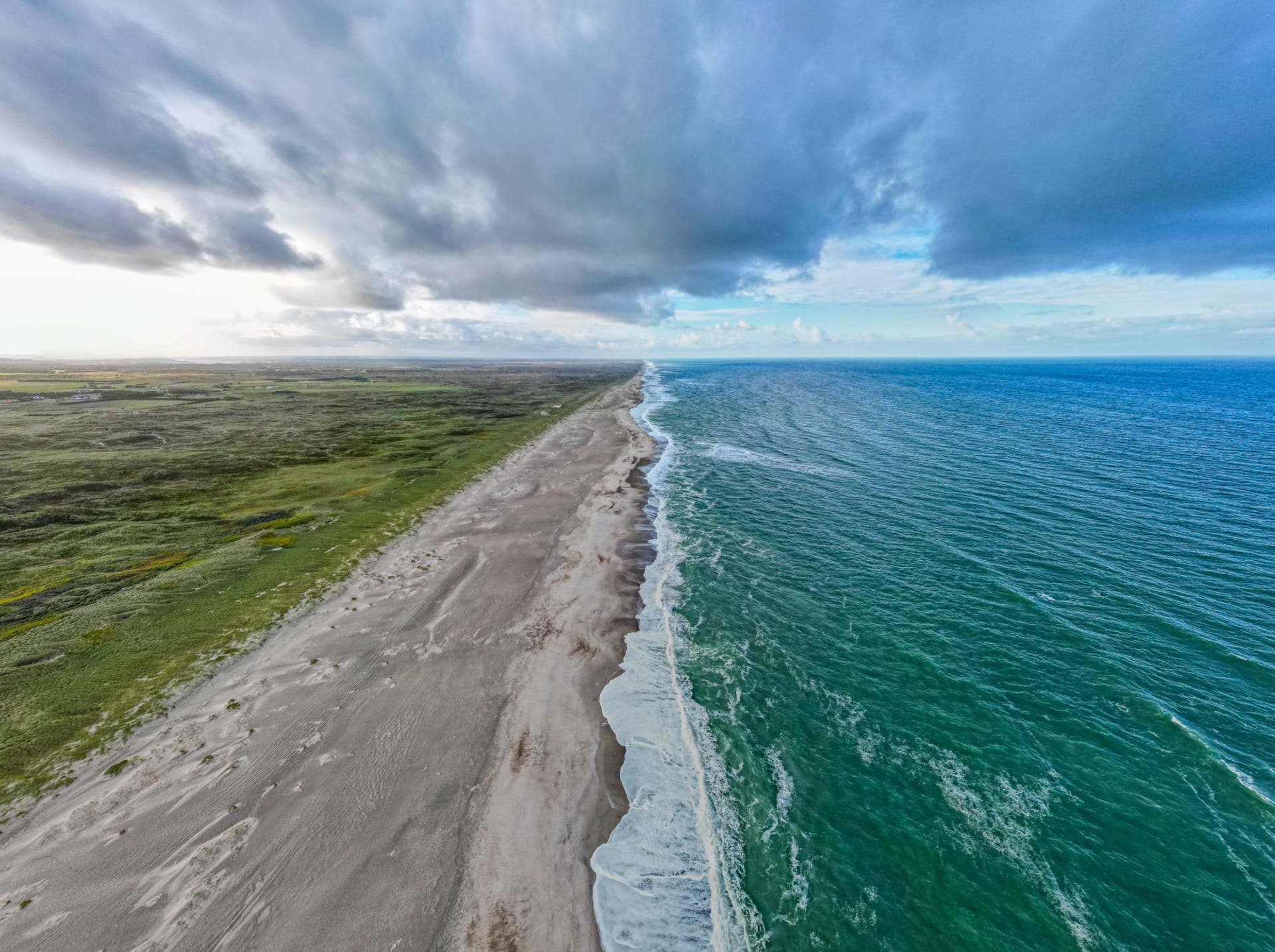
"The sea here doesn't sparkle — it glowers, and I love it for that."
The ferry from the mainland drops you into Rønne just as the bakeries open, and for a moment you’re convinced you’ve misjudged the season. It’s May, technically spring, but the wind coming off the Baltic hits differently on Bornholm — it has weight to it, a mineral coldness that smells of salt and pine resin. I wrapped my jacket tighter and walked straight to the harbour, where the smokehouses were already running. That first bite of röget sild, the warm smoked herring pulled from the grill by a man who clearly hadn’t slept much, reset every expectation I’d brought with me.
The Danish islands don’t announce themselves. They reward patience and a willingness to pedal. Bornholm has 230 kilometres of cycle paths threading between round medieval churches — four of them, white and almost cartoonish against the grey sky — through strawberry farms and into the smoking chimneys of Svaneke. Further west, on Ærø, the roads are so quiet that you hear the wheat before you see it. The island barely makes the guidebooks, which is its best feature. The ferry from Svendborg takes just over an hour and deposits you in Ærøskøbing, a town so uniformly preserved it looks like someone pressed pause in 1780. Cobblestones, crooked houses painted in ochre and terracotta, a harbour where the same families have been building wooden boats for generations. I ate open-faced rye sandwiches — smørrebrød with pickled herring and dill — at a kitchen table in someone’s converted cottage and understood, briefly, what slow travel is actually supposed to feel like.
The light is the thing nobody warns you about adequately. In summer the sun barely dips below the horizon, and around 10pm everything goes amber and hazy in a way that makes even the mundane — a fishing net drying on a rack, a teenager cycling home — look like a painting. In winter the light retreats early but becomes ferocious when it does appear, low and golden and nearly horizontal, raking across the white chalk cliffs of Møns Klint or the thatched roofs of Fanø. I’ve seen both seasons and I’ll argue for winter, if only because you’ll have the beaches entirely to yourself.
When to go: June and July for the best cycling weather and long evenings, though the islands fill with Danes on summer holiday. September is sharper, quieter, and the herrings are better. January on Bornholm — if you can handle the cold — is genuinely extraordinary.
What most guides get wrong: They treat the Danish islands as a quick day trip from Copenhagen. Bornholm alone deserves four or five days, Ærø at least three. The whole point is to slow down enough that the baker starts recognising you.