Christiansø
"Forty people, no cars, no shops in winter — I've never felt so precisely at the end of something."
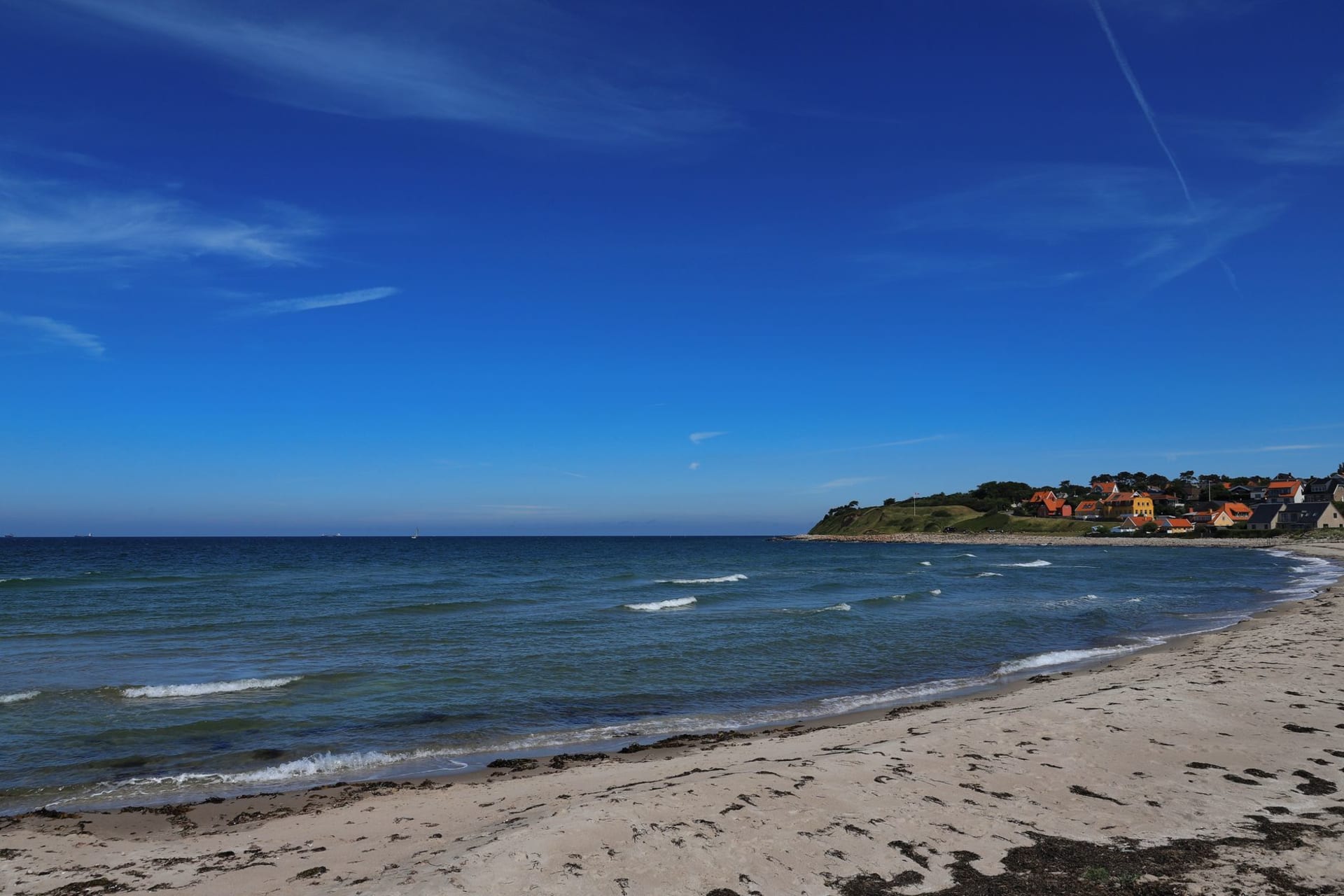
The boat from Gudhjem on Bornholm takes two hours, and for the last forty minutes of that crossing there is nothing visible in any direction except water. Not just open water — actively indifferent water, the open Baltic between Denmark and Sweden, a sea that on the day I crossed it was the colour of old pewter and moving in long unhurried swells. I had gone up to the bow to look for the island and stood there longer than was sensible, convinced the captain had miscalculated. Then a grey shape resolved out of the haze — low, dark, angular — and within minutes the granite towers of Christiansø’s fortress appeared and the scale of the place became apparent. It was very small. I had somehow expected something larger.
Christiansø, together with the adjacent islet of Frederiksø (connected by a footbridge) and the uninhabited rock of Græsholm, forms the Ertholmene group — Denmark’s easternmost point, a cluster of granite sitting roughly eighteen kilometres northeast of Bornholm in open water. The fortress was built by King Christian V in 1684 to defend against Swedish naval power, and its round towers and thick walls still stand in their original condition, which is remarkable given that the Danish navy abandoned the place as a strategic asset in 1855. Since then, the island has been home to a small permanent community — currently around forty people, though the number fluctuates — who live in the former soldiers’ quarters within the fortress walls and operate under an unusual administrative arrangement that makes Christiansø technically outside the jurisdiction of any Danish municipality.
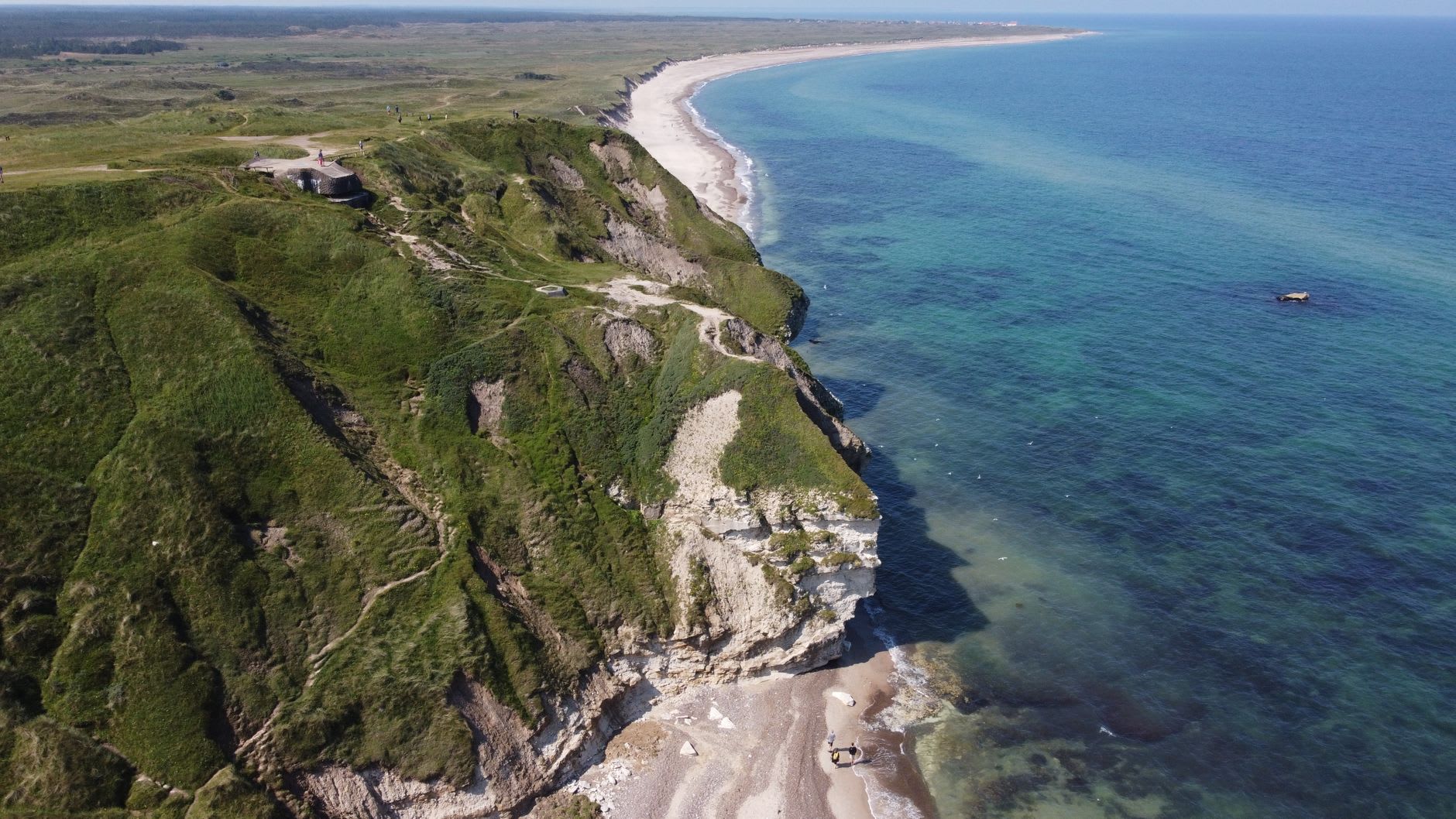
There are no cars on the island. There are no hotels in the conventional sense — visitors either stay in one of the small rental cottages within the fortress, or take the day boat and return to Bornholm in the afternoon. There is one restaurant, which serves the day visitors between May and September and closes completely in winter. The permanent residents grow vegetables in sheltered plots and keep to themselves with the self-contained quality of people who have made a decisive choice about where and how to live.
The birds are the reason many people come. Christiansø sits on a significant migration route, and the birdwatching community treats it with something approaching reverence — in autumn, rarities turn up with a frequency that would be inexplicable anywhere else, blown off course by North Sea weather systems and landing, gratefully, on the first solid ground they’ve found. Even for those of us who can identify perhaps a dozen bird species with confidence, the density of birdlife on Christiansø in May is remarkable: guillemots stacking on the cliff ledges below the fortress, eiders resting in the harbour, and puffins — small, implausibly charming, wearing their absurd beaks with complete dignity — nesting in the rock crevices of Græsholm, visible from the eastern shore.

I stayed two nights, which was the right amount of time. On the second evening, after the day boat had gone and taken its visitors with it, the island became a different place — quieter, more itself. I walked the full perimeter in forty-five minutes and then sat on the eastern cliff rocks and watched the light go down. The lighthouse began to turn. A man who lived permanently on the island came down to the rocks to fish, and we nodded at each other in the way that people who share a small space acknowledge their situation. The Baltic was enormous and dark and very calm. Denmark felt, that evening, like a place I had left behind.
When to go: May through September is the only realistic window — the day boat from Gudhjem runs daily in summer, less frequently in shoulder months. Book the rental cottages months in advance if you want to stay overnight; they fill up early. Go mid-week if you want a quieter experience; weekends in July can feel surprisingly crowded for somewhere so small.