Kyrenia
"Kyrenia's harbour is the most purely beautiful thing I've seen in Cyprus, and I can't tell you without politics who it belongs to."
Crossing into northern Cyprus through the Ledra Street checkpoint in Nicosia, I rented a car from a man who had a desk in a prefab building on the north side of the buffer zone and drove the forty kilometers to Kyrenia — Girne in Turkish — with no particular expectations, having read almost nothing about it. This was fortunate. Kyrenia is the kind of place that benefits from arriving without a mental image already prepared.
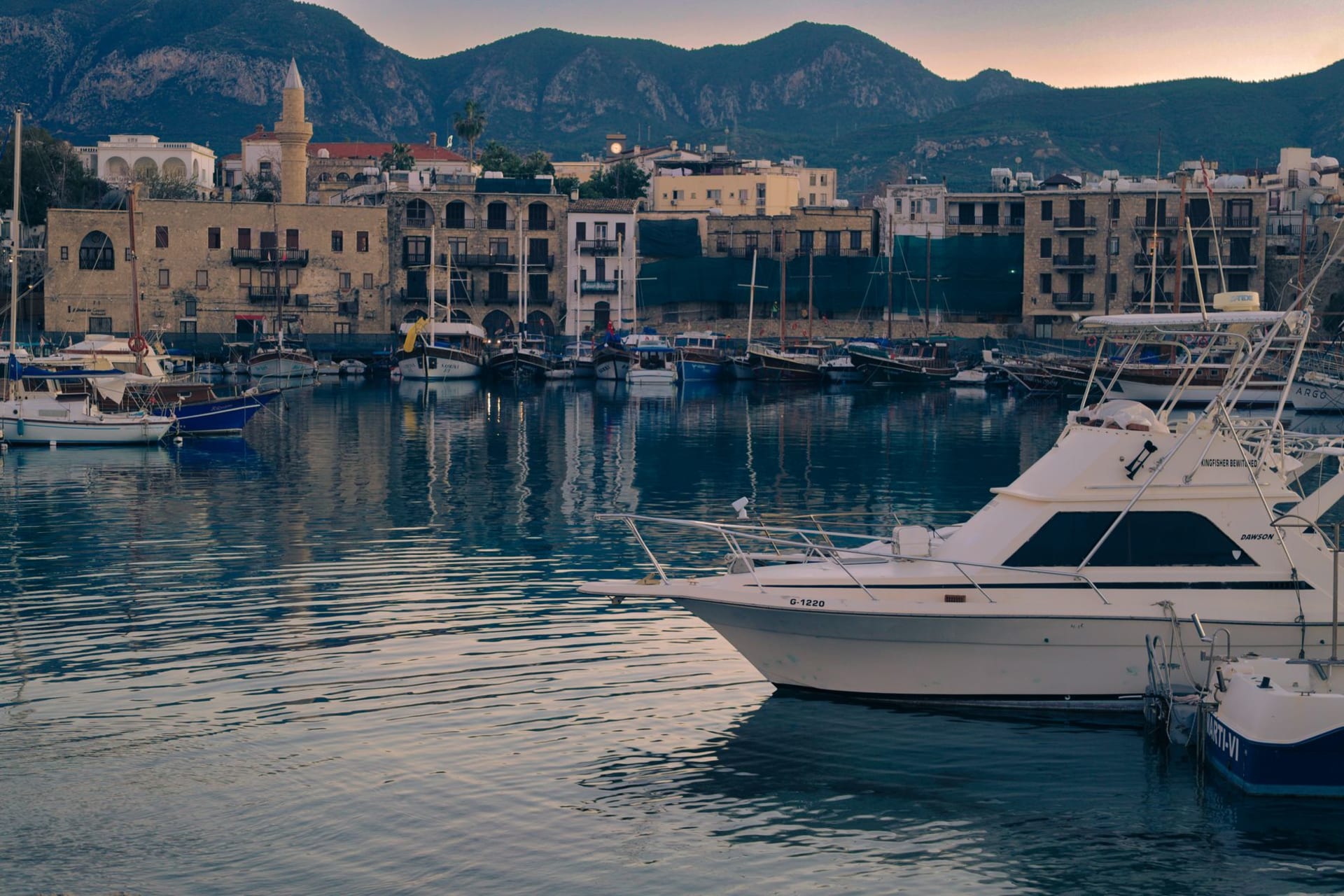
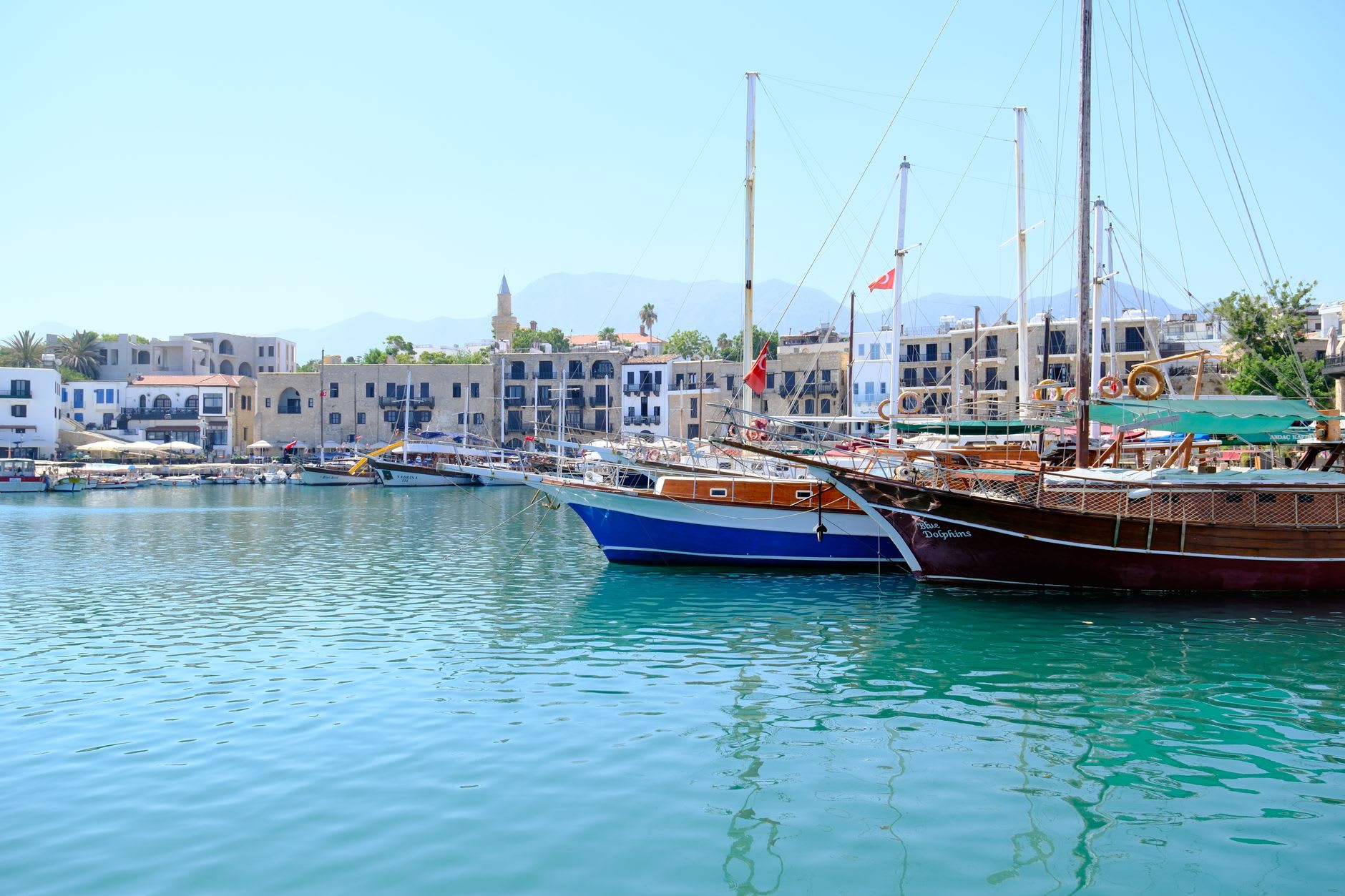
The harbor is small and perfectly formed, a horseshoe of water enclosed by a stone quay that curves into the Crusader castle at its eastern end. The castle wall drops directly into the sea. When I arrived at dusk, the light on the stone was a deep orange that faded to rose as I watched, the water turning the colors over in its surface, everything reflecting everything else. I sat on the quay for a while and did nothing, which is the correct response to a harbor this beautiful. A fisherman was repairing a net a few meters away. He was not interested in the light.
The castle is one of the best-preserved Byzantine and Crusader fortifications in the eastern Mediterranean, with a history that reads like a compressed syllabus of the region — Byzantine garrison, Lusignan expansion, Venetian occupation, Ottoman conquest. Inside the castle is the Shipwreck Museum, built around a fourth-century BCE Greek merchant vessel raised from the harbor floor in 1967. The ship is the oldest well-preserved ancient wooden vessel ever excavated, and it sits in a climate-controlled room surrounded by its original cargo: 400 amphorae of wine, millstones from the island of Kos, almonds still in their shells. The almonds. They are 2,300 years old. They are still there. Standing in front of them, I felt something that I can only call vertigo — the kind that comes not from height but from depth of time.
The restaurants lining the quay are, in aggregate, the place to eat in northern Cyprus. Most serve grilled fish and meze in the Turkish-Cypriot tradition, which differs from the Greek-Cypriot version in specific and interesting ways: more olive oil, more fresh herbs, a greater prevalence of seafood, mezes built around sea urchin roe and smoked eel and fish caught that morning. I ate grilled sea bass at a place with wooden tables overhanging the water, watching a cat pace the quay in hope, the castle lit behind me. The bill, even by Cypriot standards, was low.

The mountains behind Kyrenia — the Besparmak range, the Five Fingers — rise almost immediately from the harbor, and the drive over the pass to Nicosia takes you through carob and olive groves with views back to the sea that are difficult to absorb while also managing the road. Up in the mountains, the ruins of Saint Hilarion Castle cling to a peak with a theatrical authority that makes it look like an illustration from a storybook — which is, as it happens, said to have inspired Walt Disney. Standing on the highest tower, the Kyrenia harbor and the Turkish mainland are both visible simultaneously on clear days. The distance between them feels much shorter than it should.
When to go: April through June and September through October for mild temperatures, empty harbor, and the ability to sit outside without sweating. July and August are hot but the harbor breezes moderate things considerably. Winter is quiet but the castle and museum remain open. Remember that you enter as if crossing into a different country — bring your passport, there is a passport control on the northern side of the Nicosia checkpoint.