Europe
Cyprus
"Cyprus is where empires came to retire, and somehow never left."
I arrived in Larnaca on a late April evening, and the first thing I noticed was the smell — dry thyme and diesel and something faintly saline, as if the sea were sweating. The second thing I noticed was a British-style roundabout decorated with a mosaic of Aphrodite, with a ruined crusader castle visible two blocks away. That collision of eras is Cyprus in miniature. This island has been occupied by so many civilizations — Phoenician, Roman, Byzantine, Frankish, Venetian, Ottoman, British — that history here is not a museum exhibit but a permanent ambient condition. You cannot walk fifty meters without stepping on someone else’s past.
The divided capital, Nicosia, is the last partitioned city in Europe, and crossing the buffer zone through the Ledra Street checkpoint is one of the stranger experiences in Mediterranean travel. One side: Greek Cypriot coffee shops, Byzantine icons, European Union flags. Cross the line and within minutes you are in the Turkish north, drinking tea from tulip glasses, past caravanserais turned into boutique hotels and mosques that were once Gothic cathedrals. Neither side is better or worse. Both are incomplete without the other. I ate halloumi grilled over charcoal in the south in the morning and fresh börek in the north by afternoon, and I could not decide which lunch I preferred. I still cannot.
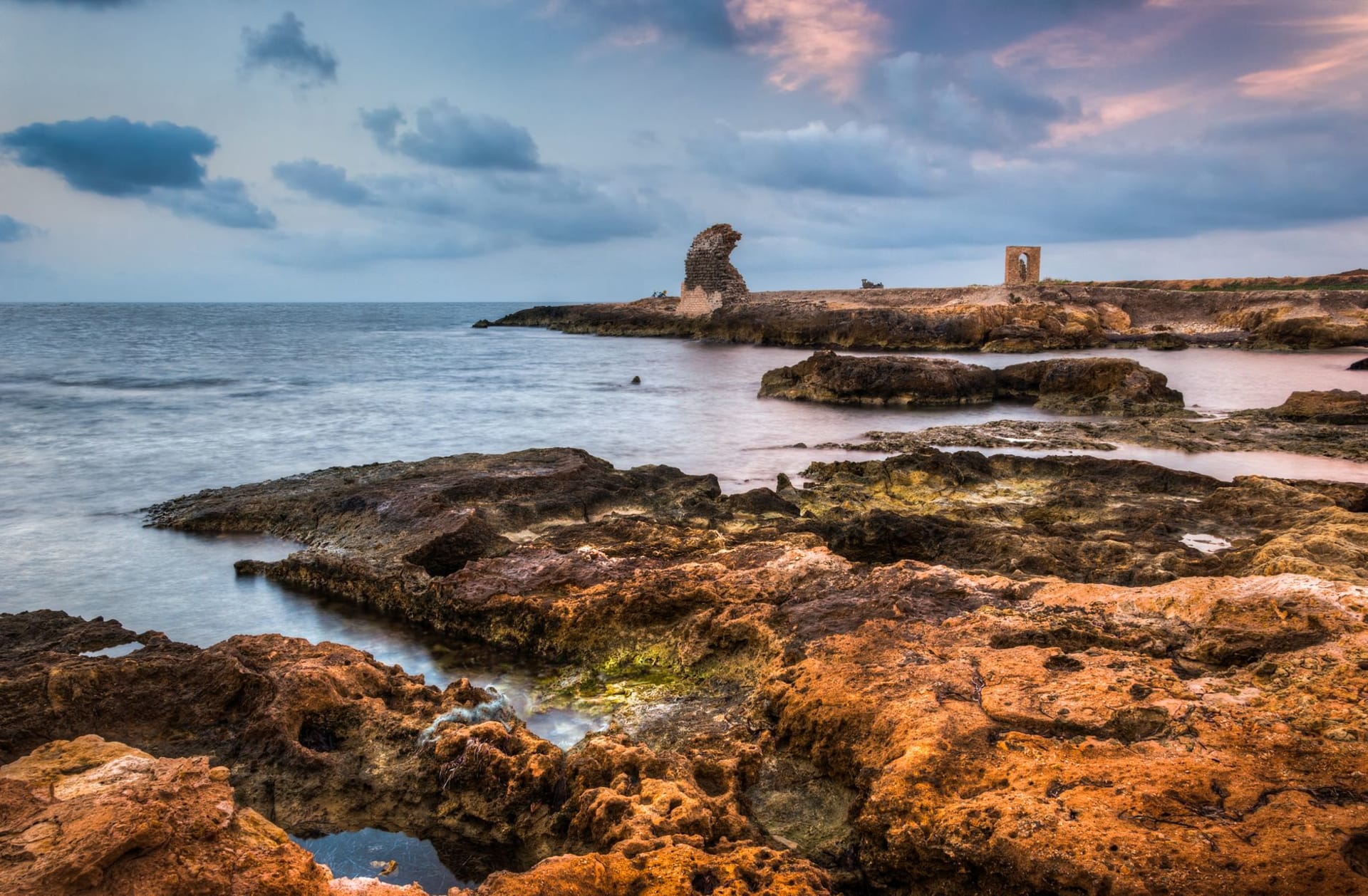
The Akamas Peninsula in the west is where I went when Paphos started to feel too resort-adjacent. The coast road narrows to something barely negotiable by car, the rock formations go ochre and rust and white, and the sea turns a color I cannot name accurately — not turquoise, not cobalt, something in between that changes every hour with the light. The village of Omodos in the Troodos foothills, with its monastery courtyard and vine-draped streets, was completely empty the Tuesday morning I arrived. A woman was hanging laundry. A cat was doing nothing. It was the most peaceful I felt the entire trip.
When to go: April, May, and October are ideal. The heat in July and August is serious — pushing 40°C inland — and the coastal resorts fill with package tourists. Spring brings wildflowers to the hillsides and water warm enough to swim. October is golden, uncrowded, and the grape harvest is in full swing in the Troodos wine villages.
What most guides get wrong: They position Cyprus as a beach destination, which sells the island catastrophically short. The interior — Troodos Mountain villages, Byzantine monasteries with frescoes that predate the Renaissance, the forests around Kakopetria — is where Cyprus is most itself. And almost nobody mentions the north. Whatever your politics, visiting the Turkish-controlled north adds a layer of complexity to the island that no amount of beach time can replicate. Cyprus is not a place to lie still. It is a place to go looking.