
Akamas Peninsula
"The Akamas is what the rest of the Mediterranean coast looked like before someone decided to build hotels on it."
The road to Akamas narrows until it is not quite a road anymore. I was driving a standard rental car — not a four-wheel drive, which was the recommended vehicle, which I had not bothered to book — and at some point the track became a sequence of loose rocks and deep ruts that required me to choose my line the way you choose your words carefully in an argument. I made it to the sea. The car was fine. The drive was genuinely alarming and I would absolutely do it again.
The Akamas Peninsula is a nature reserve at the northwest tip of Cyprus, and it is the island’s most important conservation area — home to nesting loggerhead and green sea turtles, rare orchid species, and migratory birds using it as a stopover on the Africa-to-Europe flyway. What it is not is developed. There are no resort hotels here, no beach clubs with sun lounger charges, no permanent beach infrastructure of any kind. What there are: trails, coves accessible only on foot or by boat, and a quality of silence that registers as physical.
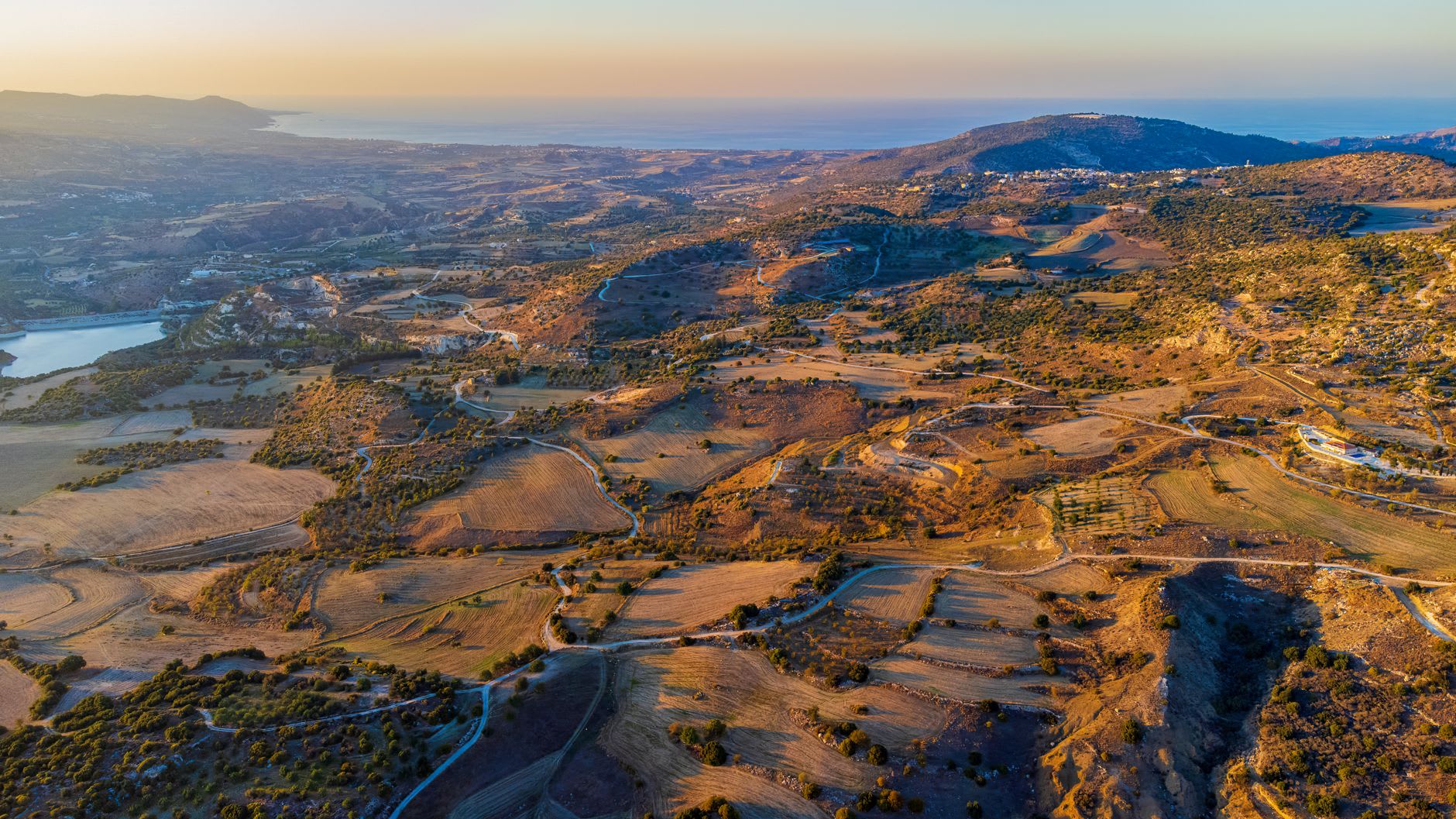
Lara Beach is the most famous of the accessible coves — a crescent of pale sand where loggerhead turtles nest between June and September. The nesting season is protected and managed by the Cyprus Department of Fisheries, who cage the nests and monitor the beach at night. I went in May, outside nesting season, when the beach was empty except for a couple with a dog and a fisherman who had parked his boat at one end and was doing something methodical with rope. The water was that color — the one between turquoise and cobalt — and it was cold enough that the first thirty seconds felt like an argument.
The Avakas Gorge cuts inland from near the coast, a narrow limestone canyon where the walls close to a few meters apart and the light arrives in narrow beams that move as you walk. Fig trees and carob grow out of the rock at improbable angles. The canyon floor is boulder-strewn and there is no maintained path, so progress is slow and somewhat lateral. It takes about ninety minutes to walk through to the far end, where the gorge opens into a dry valley of wild herbs — thyme, sage, oregano — and the smell is so concentrated it is almost overwhelming. I sat there for a while. A hawk was circling at the top of the canyon wall. Nothing else was happening, which was the entire point.
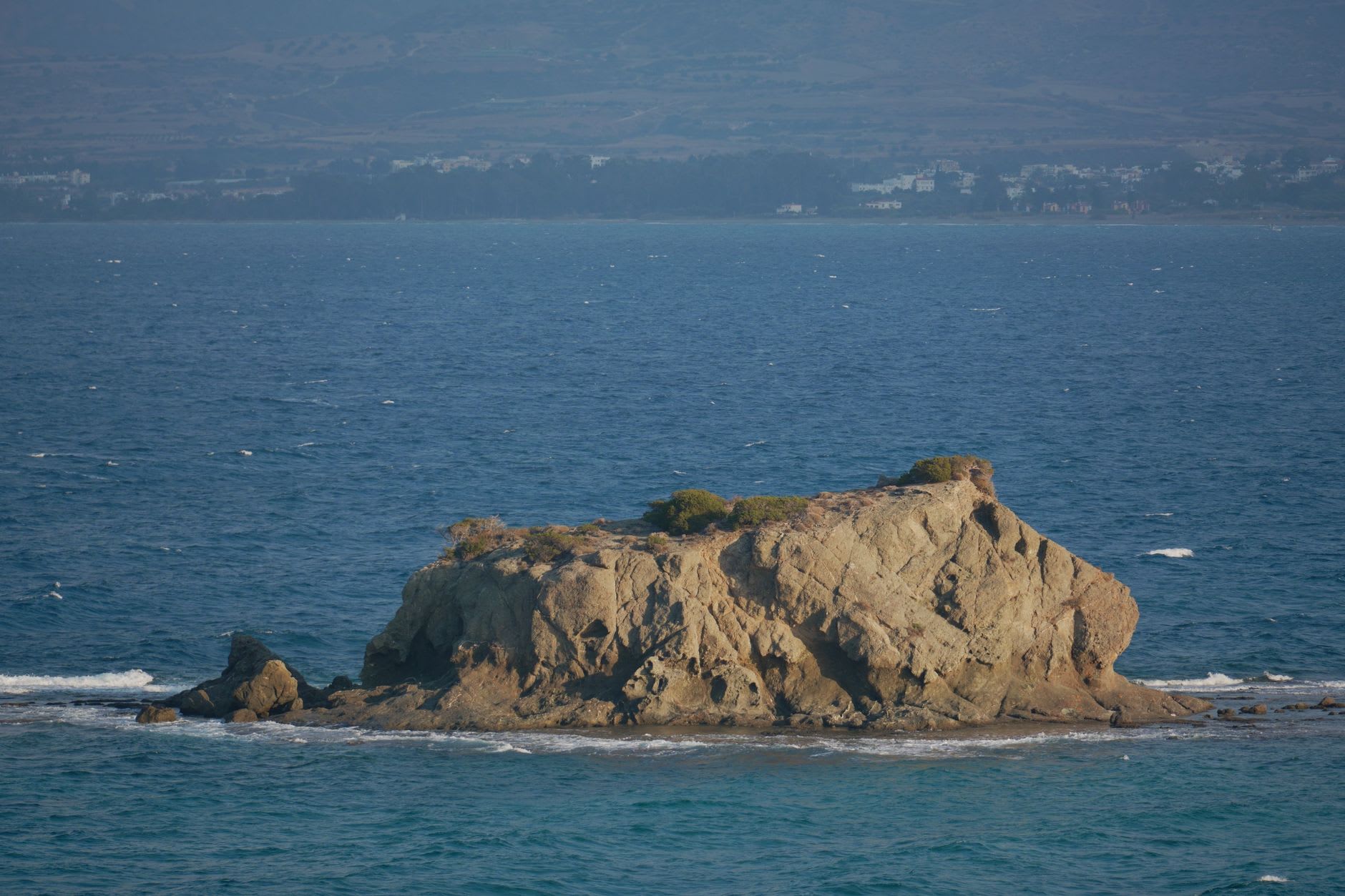
The village of Polis, at the eastern edge of the peninsula, is the closest thing to a base. It is a small agricultural town, not a tourist village, with a central square that has the same plane tree and the same old men that every Cypriot village square contains. There are a few guesthouses, a handful of restaurants, a Tuesday and Friday market where locals buy vegetables and cheese. I ate dinner at a place near the square that served grilled sea bream with capers and lemon and a carafe of local white wine so cold it fogged the glass. The owner was also the cook. He came out to ask how the fish was. It was very good. He nodded, as if this was information that confirmed something.
When to go: April and May for the wildflowers and before the summer heat makes the inland trails punishing. October is ideal for swimming (sea temperature peaks in September) with no crowds. June through August for turtle nesting season — supervised night walks on Lara Beach are organized by the Department of Fisheries. A four-wheel drive vehicle is genuinely recommended for reaching the interior tracks.