Sint Michiel
"Sint Michiel is the village that shows you what Curaçao looked like before it had a tourism strategy."
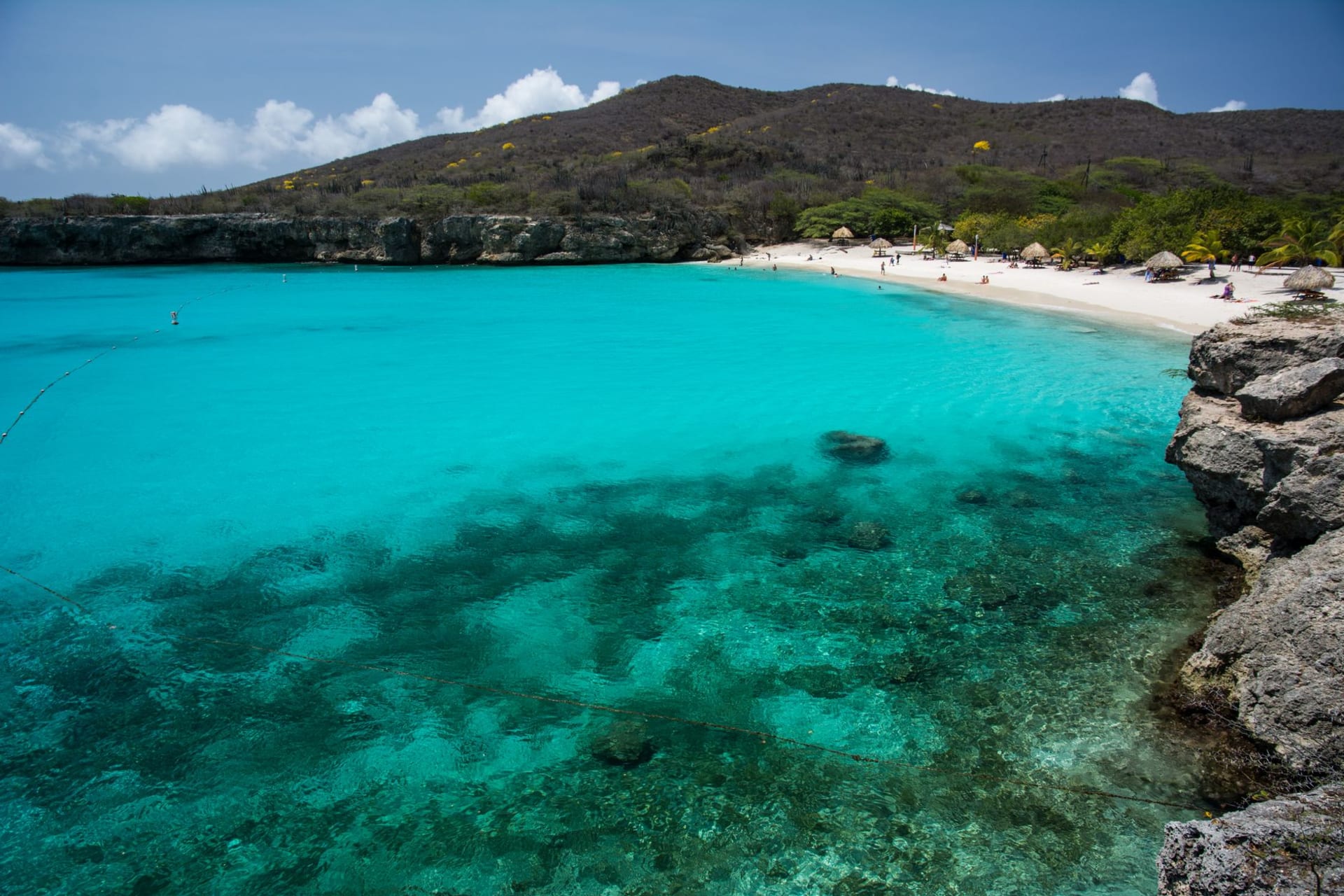
I turned off the main road toward Sint Michiel on a recommendation from the woman who ran the guesthouse in Otrobanda, who said: “If you want to eat the best fish on the island, don’t go where the guidebooks say.” The road dropped down from the scrubby hills and suddenly there was a bay — small, almost circular, ringed with fishing boats in various colors of paint fading back toward grey. A man was sitting in one of them doing something with a net that required both hands and his full attention. The water was extraordinarily calm, sheltered from the trade wind by the surrounding hills. The whole scene had the quality of something that had been arranged for exactly this light, except that it clearly had nothing to do with me.
Sint Michiel sits on the western coast, south of Willemstad, on an inlet where the fishing boats have been coming in and going out for as long as anyone can trace. It is not a tourist destination in any organized sense. There are no resorts, no dive shops with English-language websites, no craft markets. There is a church on a small hill, a few dozen houses in various conditions, a small school, and a handful of fishing operations that go out early and come back with whatever the sea had available. The village has the particular texture of a place where the economy is real and localized and not arranged around the expectations of visitors.
The restaurant — there is essentially one, though it operates under an informal arrangement that means some days it’s open and some days it isn’t, and asking in advance is wise — serves grilled wahoo and mahi-mahi and sometimes barracuda, depending on what came in that morning. The wahoo, when I had it, was grilled over charcoal with nothing more than salt and lime and served with funchi, the cornmeal polenta that is one of the foundations of Curaçaoan cooking. Funchi is not dramatic. It is the thing that makes the fish more itself, absorbing the juices and the lime and the charred edges of everything. I ate outdoors at a plastic table under a mango tree and was happy in a way that required no analysis.
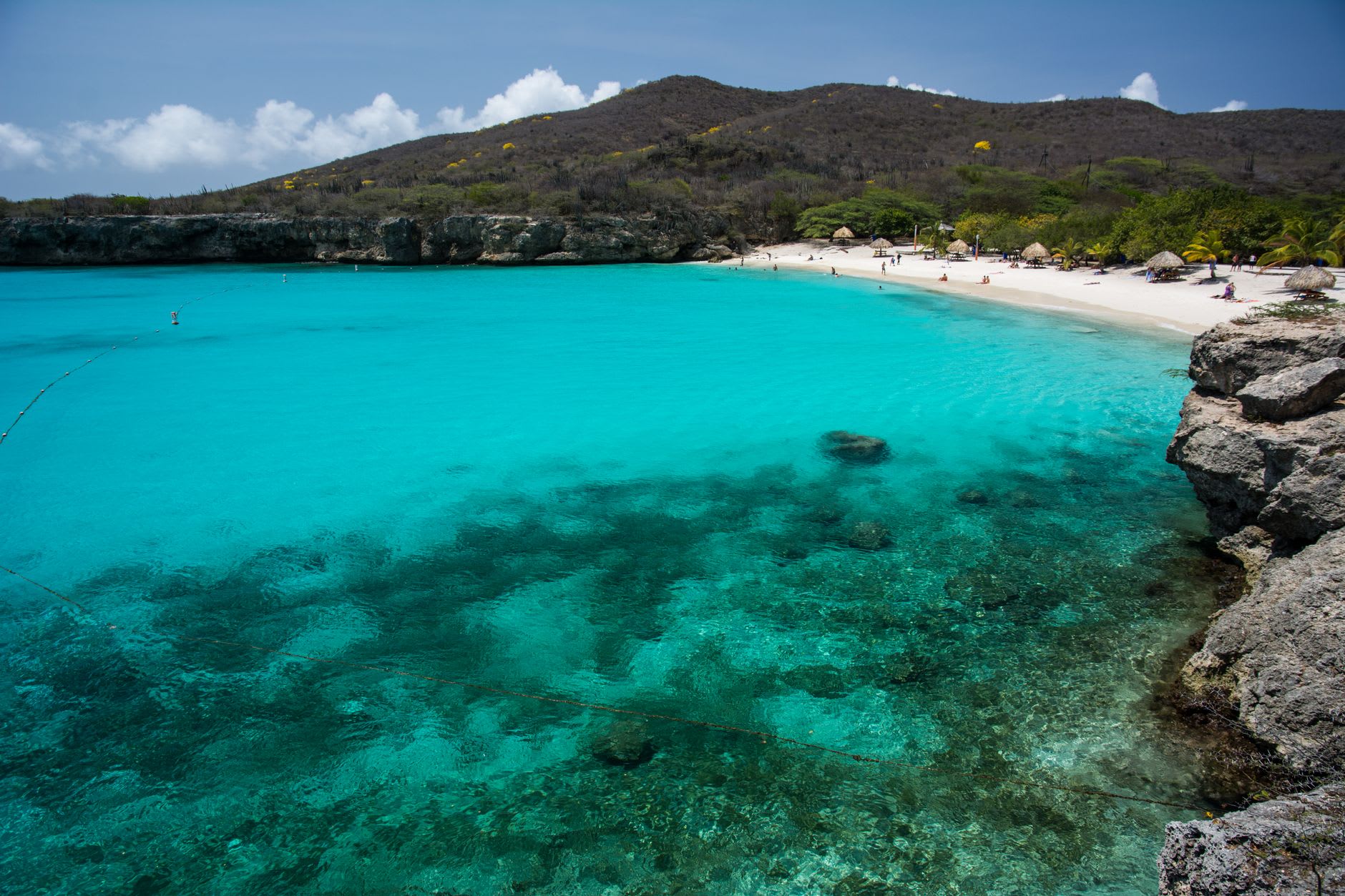
The bay has a low-key reputation among local divers and snorkelers for the reef that runs along its eastern side, accessible by swimming from the small beach at the village’s edge. I went in one morning when the light was still low and soft and found the reef in surprisingly good condition — coral that looked healthy, fish that hadn’t learned to flee from humans, a spotted moray eel in a crevice who watched me from below with the expression of someone who has decided to reserve judgment. The visibility was maybe thirty feet. No one else was in the water.
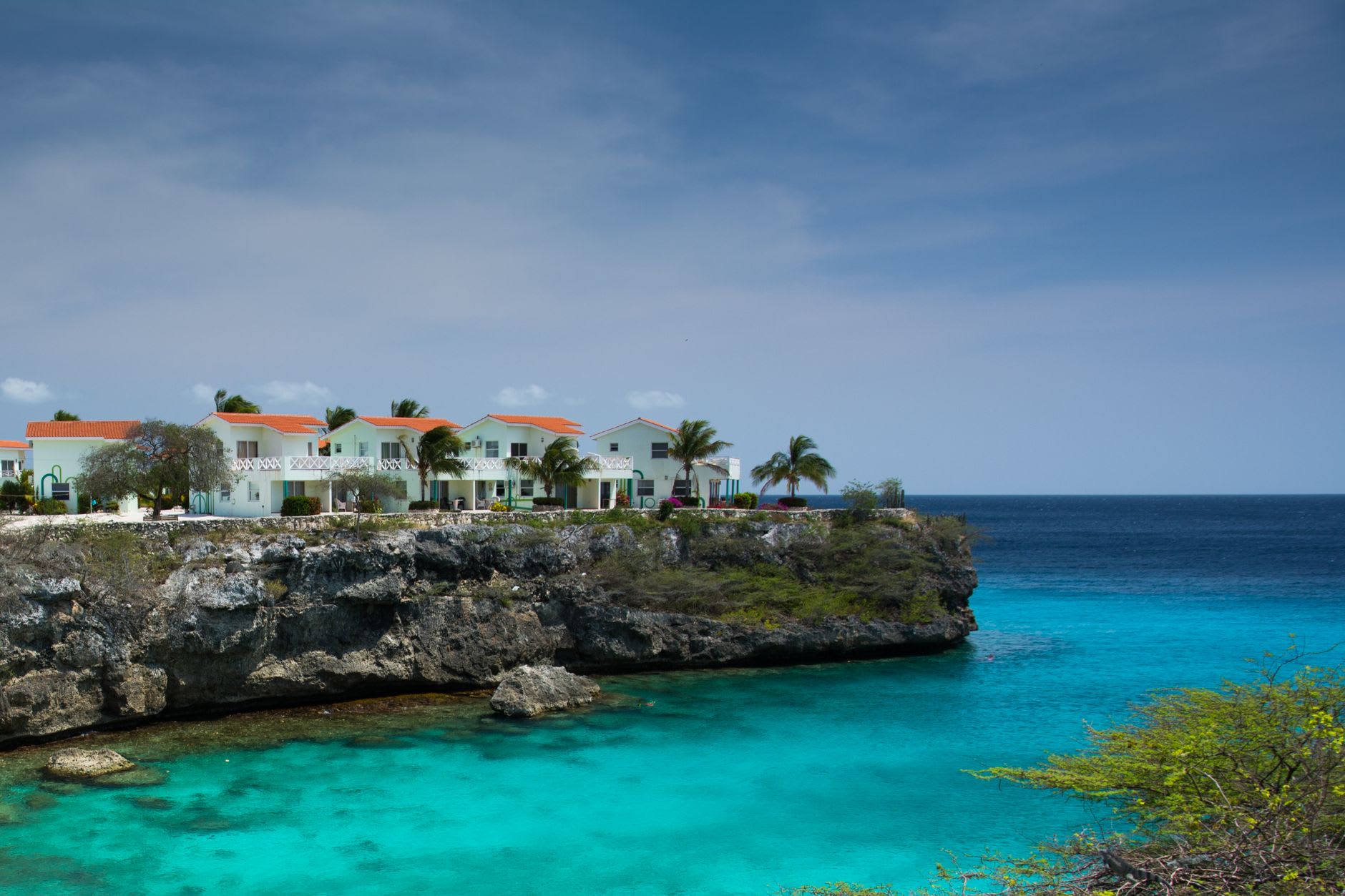
The walk up to the old church on the hill takes about ten minutes on a footpath that begins near the dock. From the churchyard you can see the full bay below and, to the south, the flat coast continuing toward the salt flats. The church itself is simple and whitewashed and has a small cemetery with headstones in Dutch and Papiamentu. I sat on the low wall outside in the shade and ate a mango I’d bought from a roadside stand and thought about how few places are still genuinely unperformed.
When to go: Sint Michiel is worth visiting any day of the week, but the restaurant is most reliably open Wednesday through Sunday when the fishing operations are running. Arrive for lunch rather than dinner — the fish is caught that morning and the kitchen closes when it runs out. The snorkeling is best on calm mornings from April through August. Do not rely on cell maps — the village road turns off the main coastal highway at a small sign and is easy to miss.