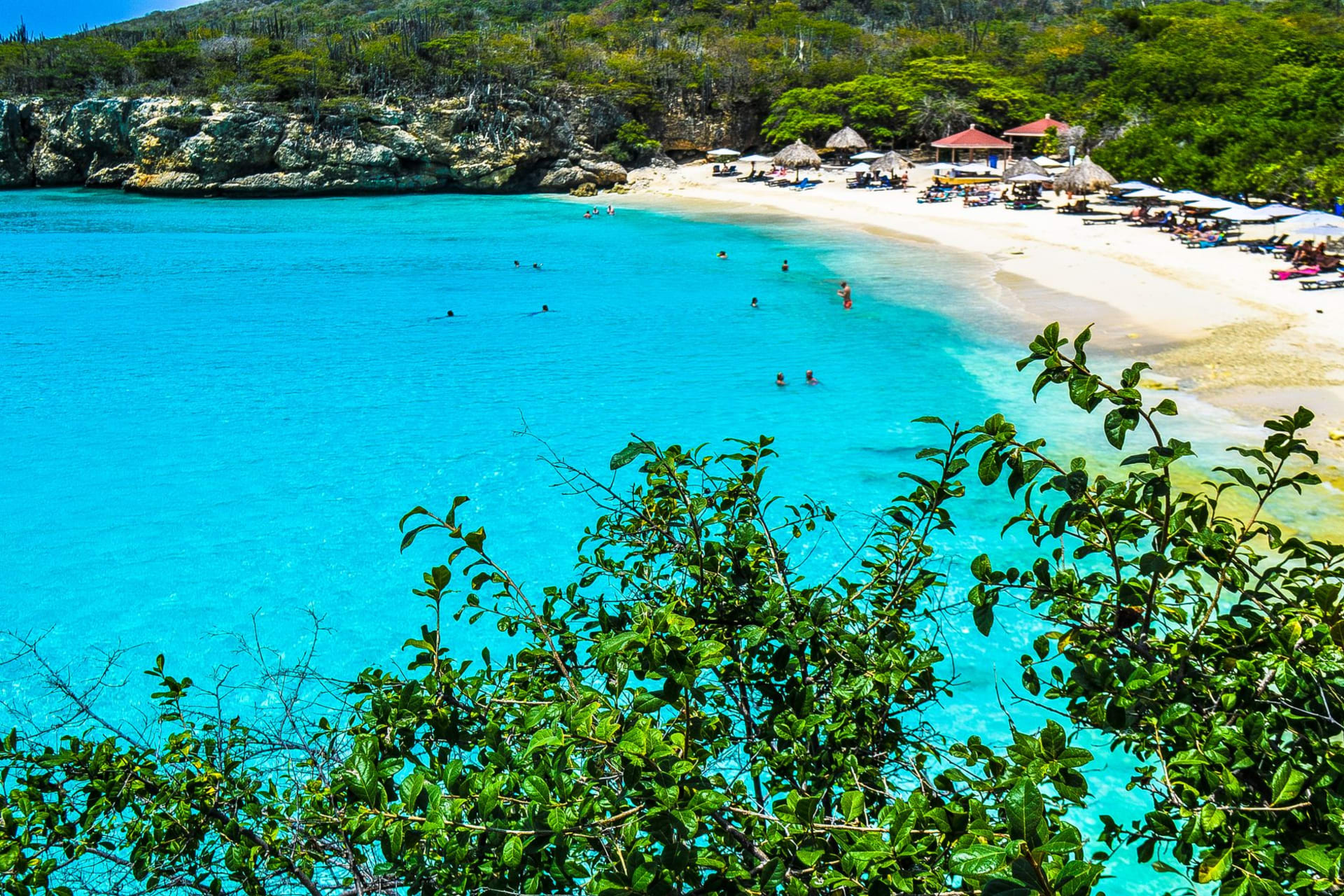
Caracasbaai
"I came for the diving and stayed for the flamingos and left having explained neither to anyone's satisfaction."
The drive to Caracasbaai takes you through a landscape that feels like a different island. Past the salt pans, past the flamingos standing in the shallows with their heads bent at that anatomically improbable angle, past a stretch of coast where the road runs close enough to the water that on windy days the spray reaches the car. The peninsula juts out from the southeastern tip of Curaçao like an afterthought, a rough triangle of land that contains a surprising amount: a former Dutch naval base, some of the island’s most accessible and rewarding dive sites, and a fort that has been watching the approaches to Willemstad since the seventeenth century.
I arrived at Fort Beekenburg on a Thursday afternoon after misjudging the heat and doing the walk from the parking area faster than was sensible. The fort sits at the point where the bay entrance narrows, its hexagonal design still recognizable despite the centuries of weather and botanical encroachment. The walls are thick Dutch limestone, four feet deep in places, and they hold the heat all day and release it slowly into the evening. The cannon emplacements face the sea. You can walk the perimeter of the fort in about fifteen minutes, looking out through the original gun ports at the water below. From here you can see the cargo ships waiting outside Willemstad’s harbor, exactly where foreign ships would have waited in the seventeenth century to be assessed and, if necessary, deterred.
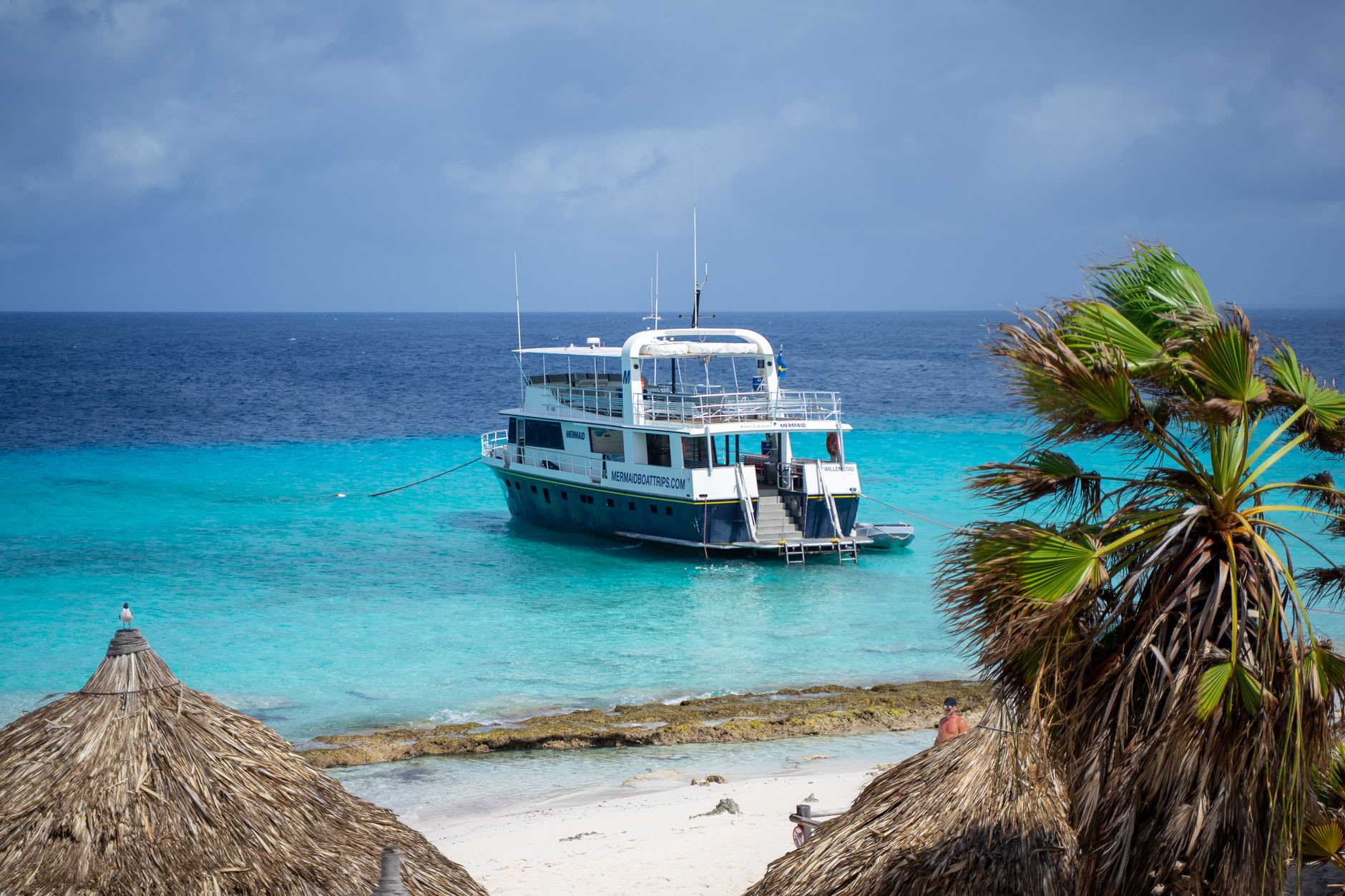
The diving off the peninsula is the reason serious divers make the trip out here rather than using the more convenient sites near Willemstad. The Tugboat dive site — an intentionally sunken tugboat resting at about 30 feet on a sandy bottom — has been sitting long enough to develop into a genuine reef, the hull covered in coral and inhabited by a population of fish so accustomed to divers that they barely move out of the way. I went in with a local dive operator on a morning when the visibility was exceptional, maybe sixty feet, and spent forty minutes in slow orbits around the wreck watching a school of jacks hanging in formation in the shadow of the superstructure. There is a quietness to wreck diving that open-reef diving doesn’t quite replicate — the sense of something purposeful having become something else.
The salt pans between Caracasbaai and the mainland are the most accessible flamingo-watching spot on the island. In the late afternoon, when the light goes horizontal and turns the water pink and the pans themselves pale gold, the flamingos feed in groups of twenty or thirty, moving through the shallows with the deliberate concentration of surgeons. Greater flamingos are not rare birds but that does not make them less strange to watch: the way they filter water through their upside-down bills, the color of them against the salt flat, the improbable elegance of an animal that evolved to stand in brine on one leg.
At the small beach at the inner bay of Caracasbaai there is almost always someone fishing from the rocks. I sat with an elderly man named Tino for most of an afternoon who was using a handline and catching small fish he said were for his wife’s soup. He’d been coming to this spot every Thursday for forty years. He told me about changes he’d seen in the water — less fish overall, he thought, but the specific spot he fished hadn’t changed. He pointed out a pair of brown pelicans working the surface fifty meters out. “Those ones,” he said in English, “they know something.”
When to go: The dive sites are accessible year-round. The flamingos are most reliably present October through April. Fort Beekenburg is independently explorable — the grounds are open though the interior may require checking for access. The combination of salt pans and diving makes this a full-day destination; pair a morning dive with an afternoon walk along the peninsula to Fort Beekenburg and then wait at the salt pans for the evening flamingo feeding.