Elafonisi
"The sand is pink. Not metaphorically, not in certain lights — it is actually, genuinely pink, and it earns its fame completely."
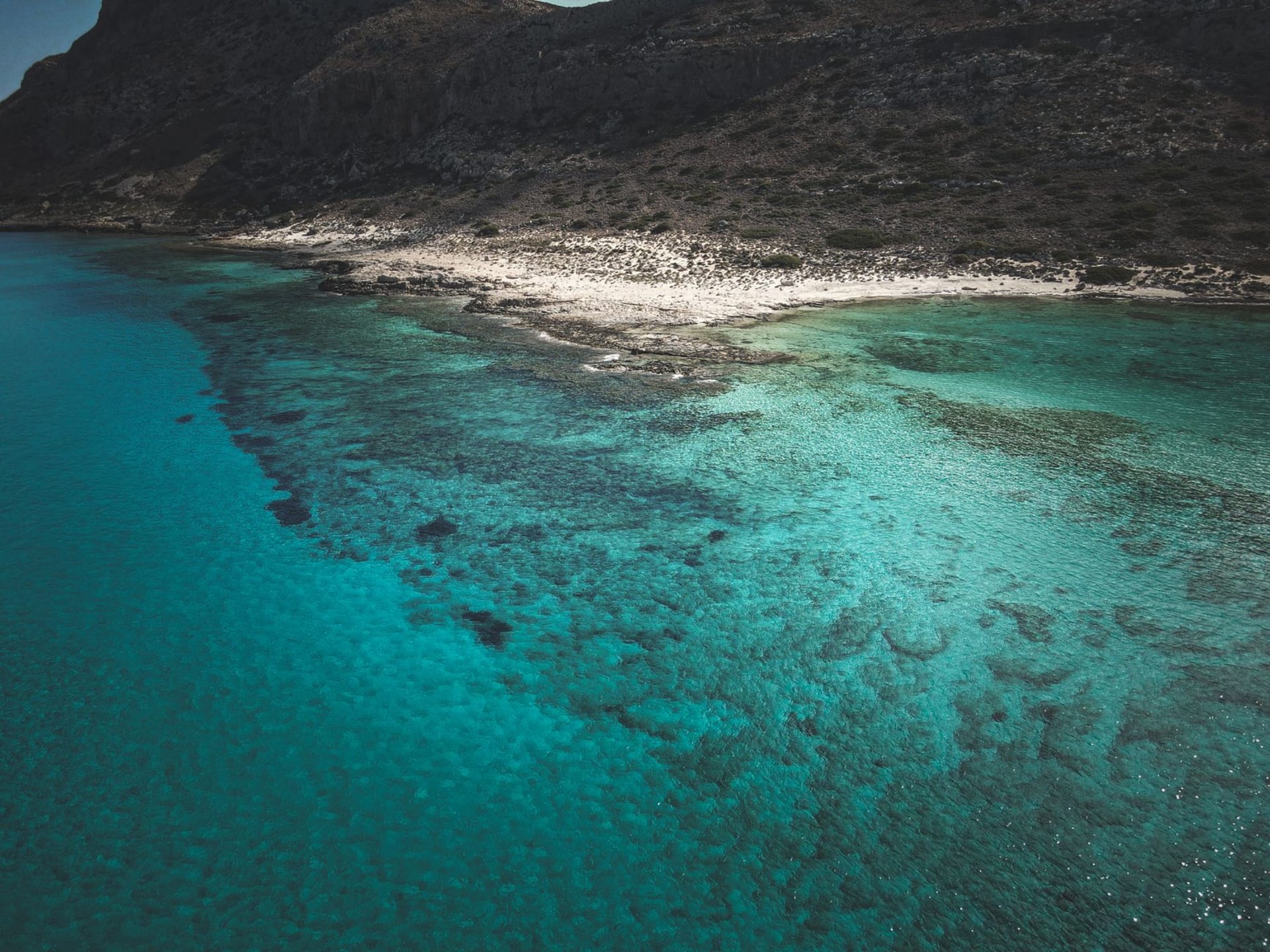
The road to Elafonisi runs along the southwest corner of Crete for an hour of increasingly dramatic coastal scenery — the road narrow, the cliffs dropping to open sea, the village of Paleochora left behind in the rearview mirror — until the land flattens and the color of the water changes in a way that you register before you fully understand what you are looking at. The pink. The sand at Elafonisi carries a pink tinge from the crushed shells and exoskeletons of tiny marine organisms that accumulate in the bay, and the tinge is most visible in the wet sand at the tide line and in the shallow lagoon that separates the small island of Elafonisi from the mainland beach. I had read about this and still did not quite believe it. Then I saw it.
I arrived in late May, a Wednesday, and the beach had the lightness of a place not yet performing for summer. A few families, some swimmers, two older German couples with serious walking gear consulting a trail map. The water in the lagoon is knee-deep at most in the crossing to the island, and warm as bathwater in the afternoon sun. I waded across, the pink sand underfoot alternating between firm and soft in unpredictable ways, and stepped onto the island where the sea on the far side was a completely different thing: open, Atlantic-grade swell rolling in from the west, waves breaking on the pink sand with a force that made swimming inadvisable and watching irresistible. Same island, same sand, entirely different ocean.

The contrast between the two faces of Elafonisi is the thing I keep returning to. The lagoon side is warm, safe, and almost tropical in its clarity; the western shore is cold, rough, and insistently raw in the way that open Mediterranean water can be when it has had a thousand kilometers to build momentum. Between them, the narrow strip of the island holds juniper scrub and sea daffodils and, in the right season, the flowers of the Cretan bee orchid. The whole area is protected under European conservation law, though the protection is tested every summer when the beach receives numbers that would challenge any fragile dune system.
In July and August, Elafonisi is one of the most crowded beaches in Crete, which in practical terms means thousands of people in a relatively small space and a parking situation that degrades the surrounding area. I cannot report on this version from personal experience, having made it a point to visit in shoulder season, but the photographs from those months tell the story clearly enough. The pink sand and the clarity of the water remain. The sense of remoteness and delicacy does not.

What I remember from my May visit is the quality of the late afternoon light on the wet sand as the tide moved: the pink intensifying as the sun angle dropped, the lagoon going from turquoise to gold to a deep amber before the light disappeared behind the headland. I sat there and ate a peach I’d bought in Paleochora that morning and thought about how some places are famous for correct reasons, and the appropriate response to that is not to resist the fame or arrive cynically armored against it, but simply to go before the crowds.
When to go: May, June, and September are the best months — the beach is accessible, the water warm enough to swim comfortably, and the ecosystem not yet under summer pressure. Arrive before ten in the morning even in shoulder season. April is possible but the water is cold and the road can be rough.