
Padstow
"I came for the fish and chips. I stayed because the harbor at eight in the morning belongs to the fishermen."
A fishing harbor that became Cornwall's seafood capital, and somehow never stopped being a real town in the process.

Padstow sits on the Camel Estuary on the north Cornish coast, and the estuary is what makes it — that wide inlet of tidal water with the dunes at Rock on the opposite shore, the light bending off the water in a way that is categorically different from the light on the south coast. The town climbs steeply away from the harbor in tight terraces and narrow lanes, and the harbor itself is a working one, still: the fish market opens at dawn, the crabbers come in from the Atlantic with catches that end up in the restaurants by lunchtime.
Rick Stein turned up in the 1970s with a restaurant and a philosophy — cook the fish simply, cook it fresh, let the ingredient lead — and the influence has been profound. Padstow now has more serious food establishments per capita than anywhere I’ve been in England. There are four or five Stein operations alone, a handful of excellent independents, a fish-and-chip shop with a queue that forms an hour before opening. But the ingredient that justifies all of this is still coming off the boats every morning, and the crab sandwiches available at the harbor-side stalls — white crabmeat, mayonnaise, bread baked that morning — are the platonic version of a simple thing done right.

The Camel Trail runs from Padstow along the estuary for seventeen miles, following an old railway line through coastal woodland and past the villages of Wadebridge and Bodmin. I cycled it on a gray October morning and the estuary was doing something beautiful in the low cloud — the water had gone silver, the egrets were working the shallows, and the silence on the trail was total except for the creak of the bike. You can hire bikes from several places in town and the cycle is one of the great uncomplicated pleasures of Cornwall.

On May Day, Padstow loses its mind in the best possible way: the ‘Obby ‘Oss festival fills the streets with a blue-and-red horse-creature led through the town by a procession of townspeople in white, the whole affair apparently ancient in its origins and genuinely strange in its energy. I’ve watched it twice and still can’t entirely account for what happens emotionally when a place commits entirely to its own mythology.
When to go: May for the ‘Obby ‘Oss festival, or September to October for autumn light, quieter harbors, and the crab season still running. Summer is beautiful but parking is genuinely miserable — arrive by ferry from Rock or bus if you can.
Keep exploring
More from Cornwall
 cornwall
 Penzance
The western outpost where the land runs out and something older than tourism begins.
Explore cornwall
 St Ives
A harbor town where light painters used to come to paint the light, and now the light paints everyone.
Explore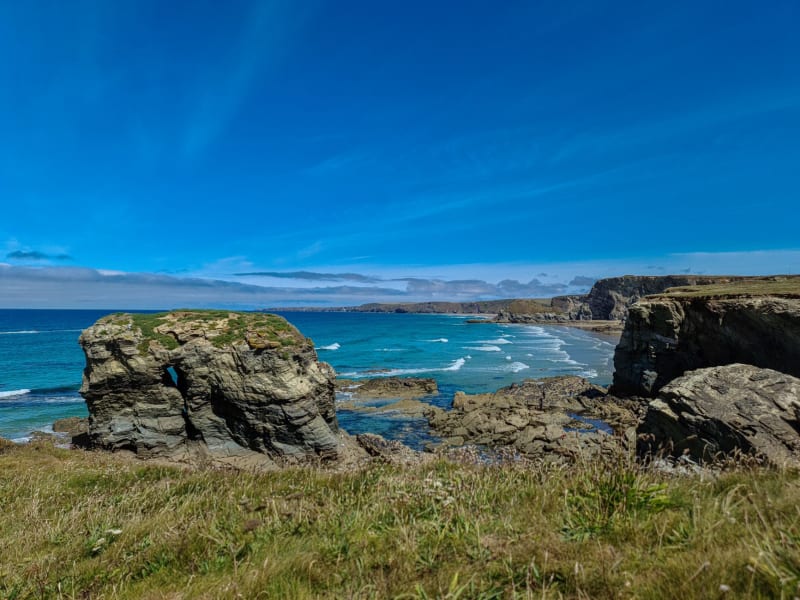 cornwall
 St Mawes
A harbor village so contained and well-placed it feels like Cornwall showing off, just once, to see if it can.
Explore cornwall
 St Michael's Mount
A tidal island crowned by a medieval priory turned castle, reachable on foot at low tide across a granite causeway from Marazion.
Explore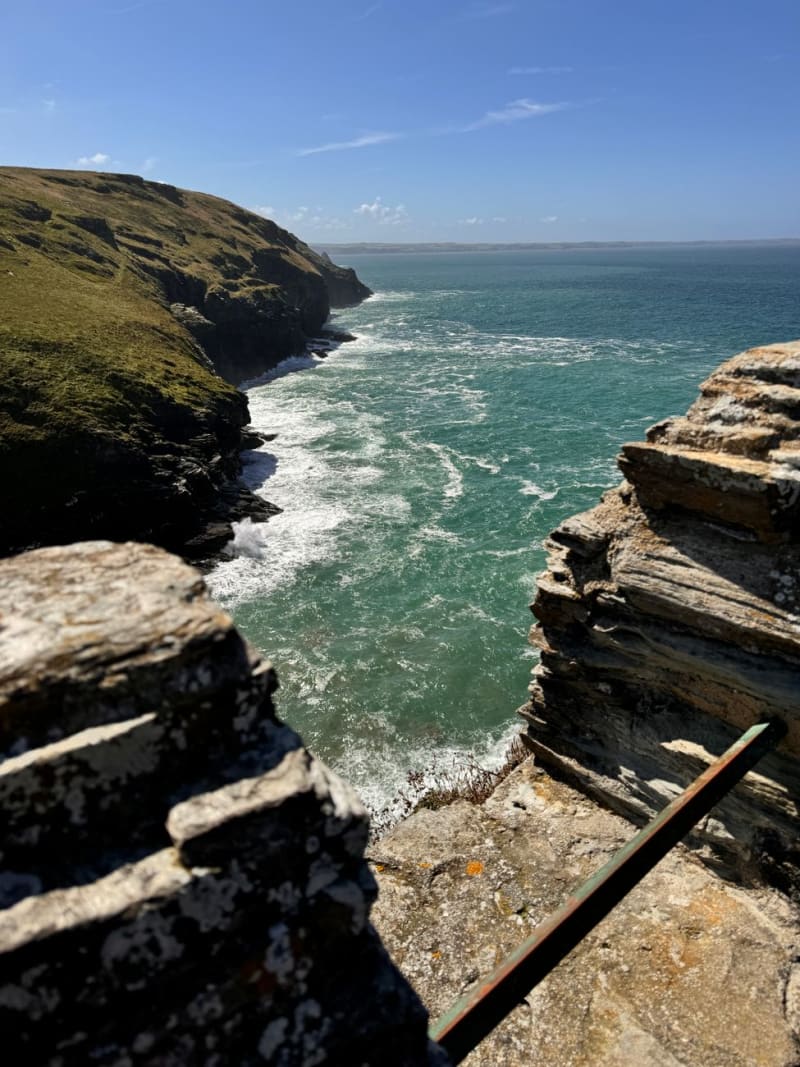 cornwall
 Tintagel
A wind-hammered headland on the north coast where a half-ruined castle clings to the rock and the Arthurian legend refuses to die.
Explore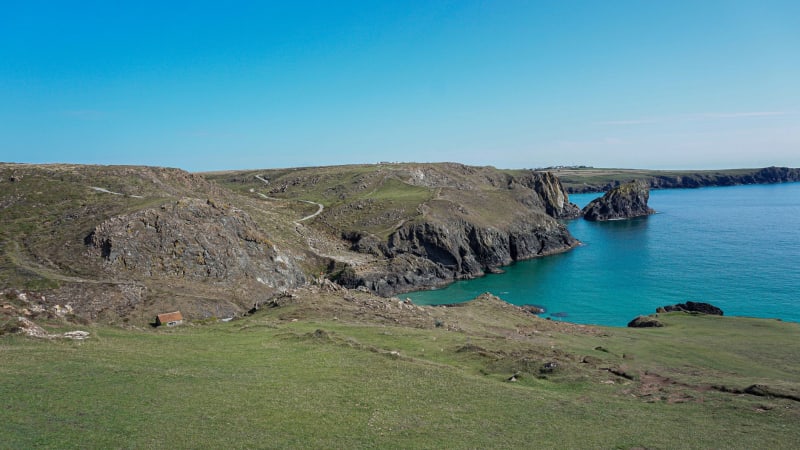 cornwall
 Zennor
A village of perhaps fifty houses on a headland that looks like it was placed here by something indifferent to human comfort.
Explore