Ouesso
"Ouesso doesn't try to be a destination. It's the door, and I liked it more for that."
A river port on the Sangha where dugout canoes and timber barges share the water, and the rainforest begins at the edge of town.
We landed in Ouesso on a small charter after a connection in Brazzaville, and the first thing I noticed, even before the heat, was the color of the Sangha River — a flat, brown-green ribbon cutting through unbroken forest as far as I could see from the window. Lia squeezed my arm and said it looked like the plane was about to land in the jungle itself, which wasn’t far off. The airstrip exists mostly for researchers and the handful of tourists like us heading toward Nouabalé-Ndoki, and you feel that purpose the moment you step off: nobody is here for Ouesso alone, everybody is here because of what lies beyond it.
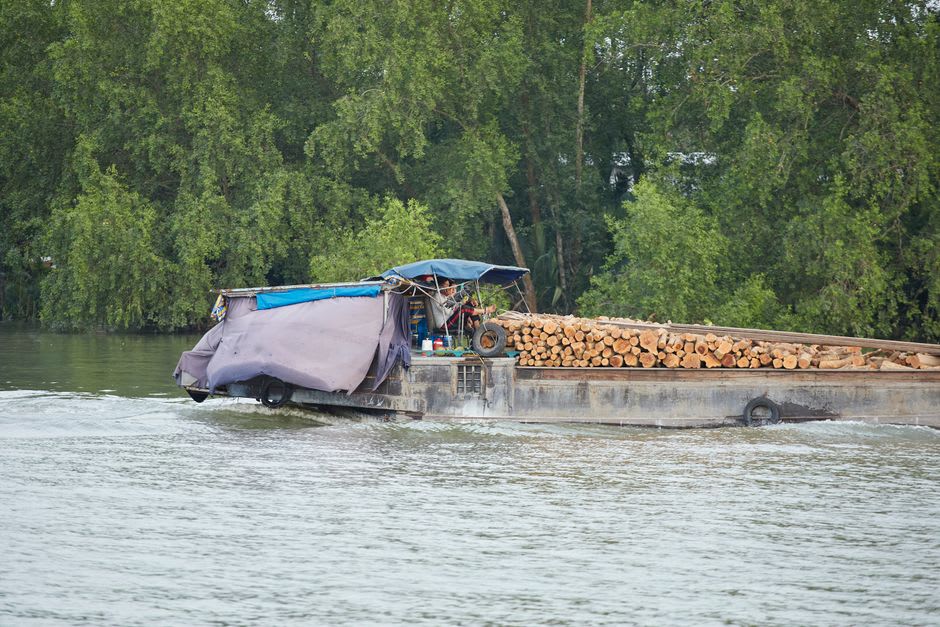
But I’m glad we gave the town itself a day before pushing into the park. Ouesso is the administrative capital of the Sangha department, and it wears that role loosely — a scatter of low buildings, a few trucks loaded with sawn timber idling near the port, and a riverside energy that felt less like a government seat and more like a trading post. We wandered down to the market in the late afternoon, where women sold smoked fish, cassava, and goods that had clearly come upriver from Cameroon, since Ouesso sits close enough to the border that the Sangha functions as a highway more than a boundary.
That evening we sat at a small table by the water with beers that had somehow stayed cold, watching pirogues cross back and forth as the light went orange over the timber yards. It struck me how much the town’s whole rhythm is dictated by the forest around it — the trucks, the sawmills, the barges — and yet none of that logging economy prepared me for how quickly it disappears once you’re actually on the river heading toward the park.
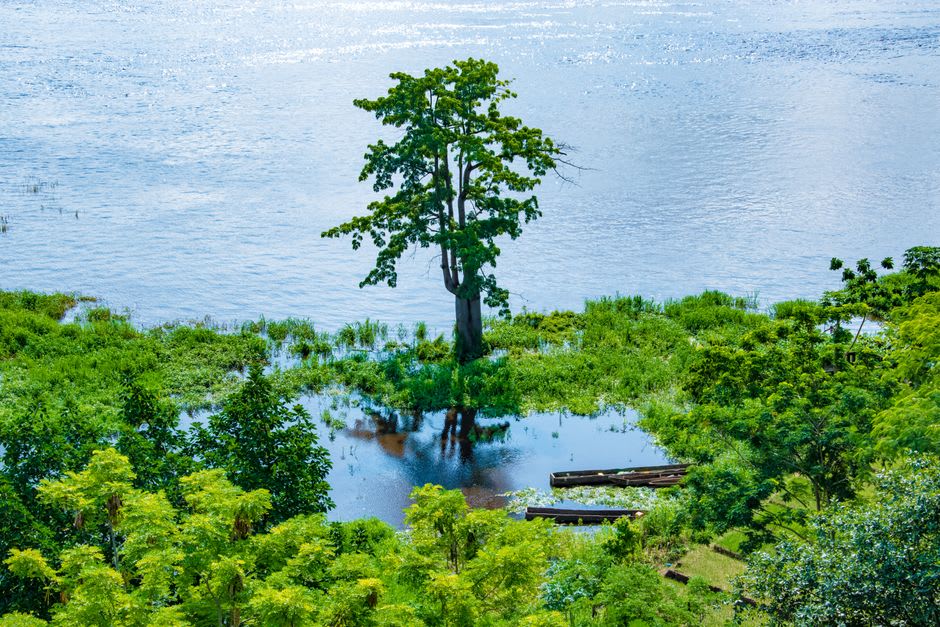
The next morning we hired a boat to take us partway upriver before our official transfer into Nouabalé-Ndoki, just to see the town from the water. From that angle Ouesso looks almost swallowed by green — the buildings hug a narrow strip along the bank and then the equatorial forest just takes over, dense and steaming under the morning haze. A fisherman paddling alongside us laughed when I tried out my rusty attempt at a greeting in Lingala, and for a moment the whole trip felt less like transit and more like an actual place we’d arrived in, not just passed through.
When to go: We went in July, deep in the dry season, and I’d recommend the same — either December to February or June to August, when the Sangha is more predictable and the forest tracks around the park stay passable, since a rainy-season crossing here is a different, much muddier story.
Keep exploring
More from Republic of the Congo
 congo-republic
 Plateaux Batéké National Park
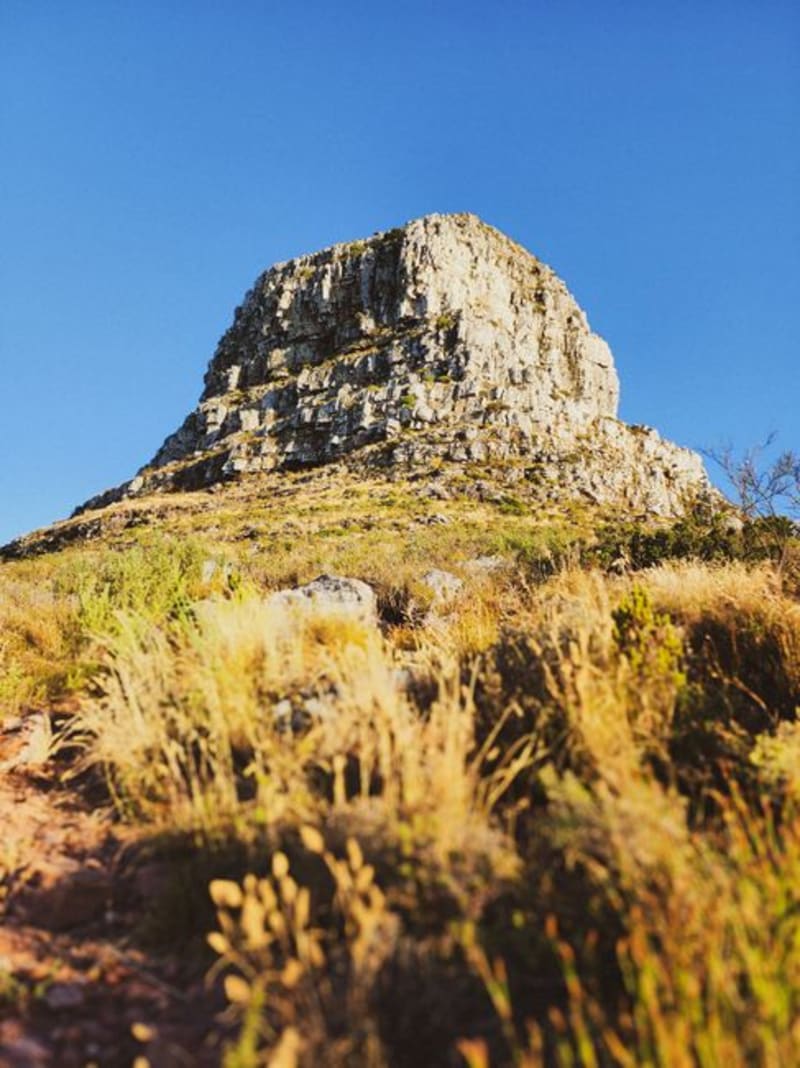
A rolling savanna plateau on the Gabon border where orphaned gorillas are learning to be wild again.
Explore congo-republic
 Pointe-Noire
Congo's Atlantic city smells of oil money and grilled barracuda — a port town with French colonial bones and a beach culture that refuses to care about any of it.
Explore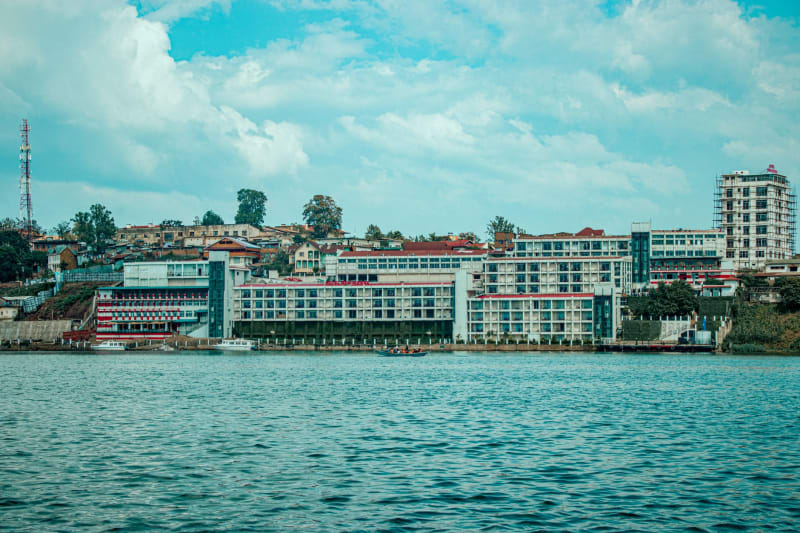 congo-republic
 Bomassa
A forest village at the Congo's northern edge where three countries share one ecosystem and the bais fill with elephants every morning without fail.
Explore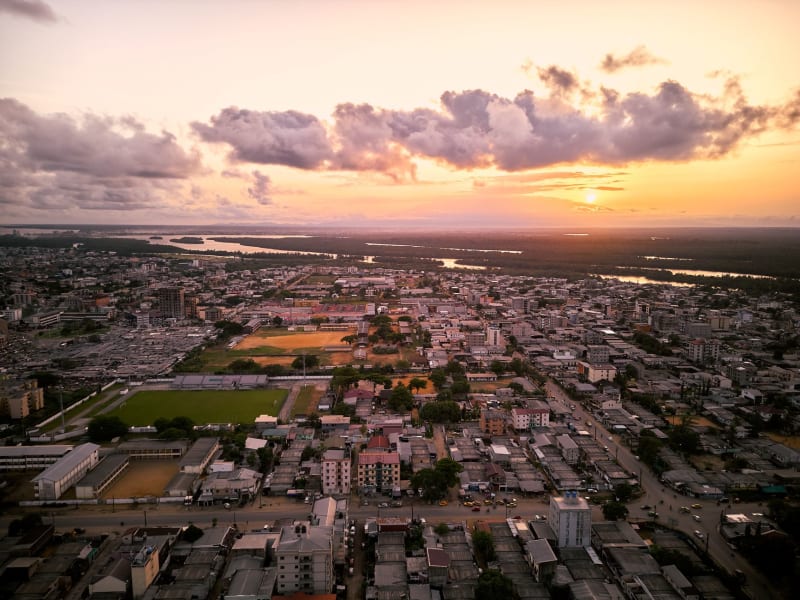 congo-republic
 Brazzaville
A capital city that rewards the traveler who stays — colonial riverbanks, loud neighborhoods, and the best grilled fish in Central Africa.
Explore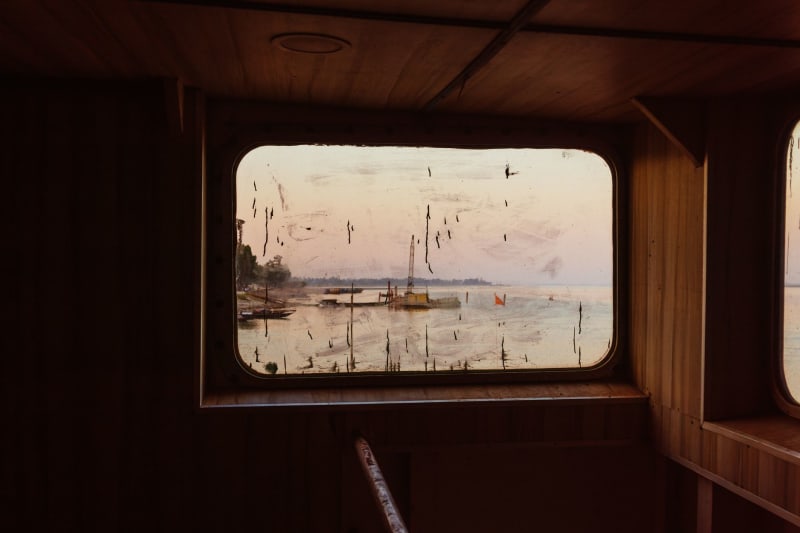 congo-republic
 The Congo River
The second-longest river in Africa and the world's deepest — crossing it by pirogue between two capitals is one of the great short journeys.
Explore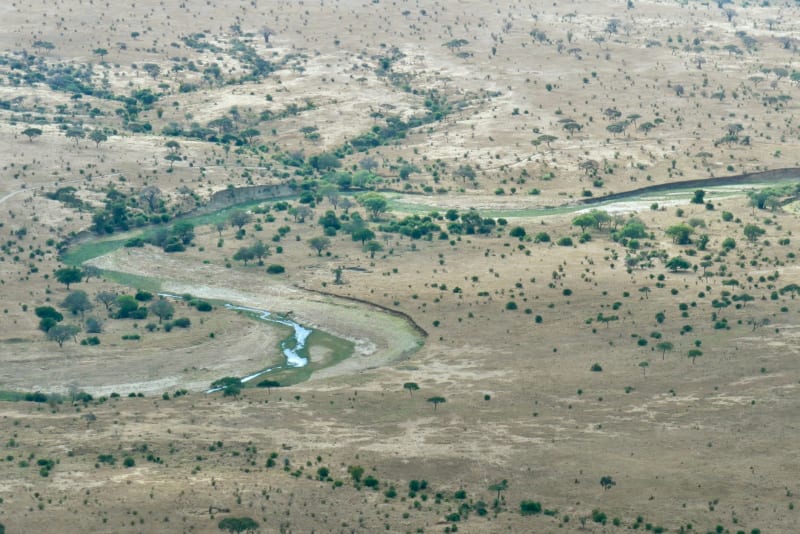 congo-republic
 Conkouati-Douli National Park
Where the Congo rainforest meets the Atlantic — leatherback turtles nest on deserted beaches while hippos drift through inland lagoons.
Explore