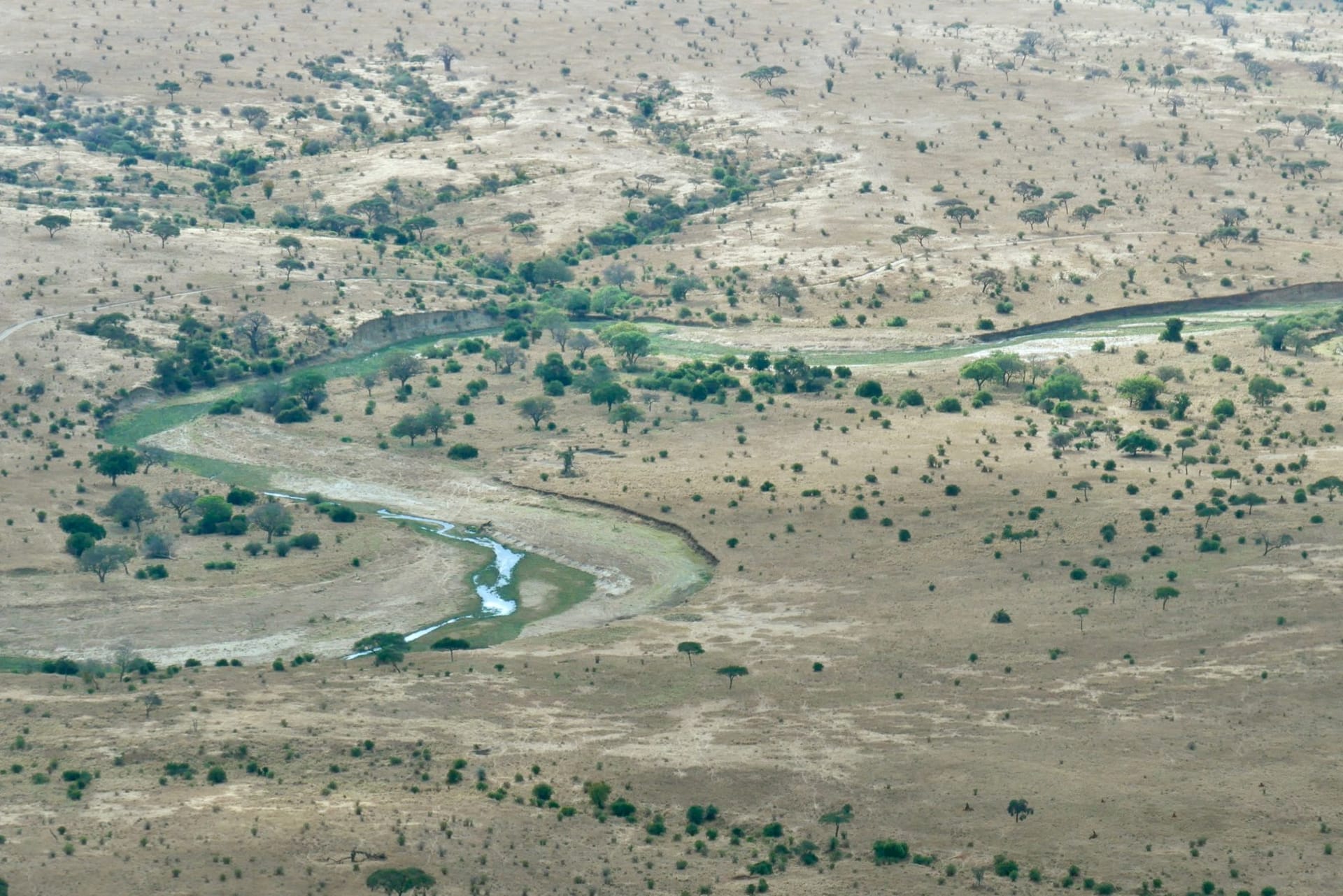
Conkouati-Douli National Park
"A beach that goes on for twenty kilometres and has nobody on it — not because nobody wants to come, but because almost nobody knows it exists."
I came to Conkouati-Douli on a hunch and no real plan. The park is in the southwest corner of the Republic of the Congo, accessible from Pointe-Noire by a dirt road that passes through oil-palm plantations and fishing villages and eventually delivers you to a ranger station at the lagoon’s edge. I’d read a single paragraph about it in a conservation report — something about leatherback turtle nesting densities and hippo populations in the coastal lagoons — and decided that was sufficient reason to go. It turned out to be more than sufficient.
The park occupies a strip of coastal land where the Atlantic rainforest meets the ocean in a way that doesn’t happen in many places anymore. South of the lagoon system, the beaches run uninterrupted for nearly twenty kilometres — white sand, Atlantic rollers, the forest edge pressing down almost to the high-tide line. There are no hotels, no cafés, no beach bars with names. There are turtle tracks. On the morning after I arrived, I walked the beach at first light and found the wide, deep parallel lines left by a leatherback turtle that had come ashore in the night — furrows in the sand about the width of a tractor’s passage — and followed them up to the nest site and then back to the water. The tracks going back to the sea ran in a slight curve, as though she’d turned once to look at what she’d done.
The lagoon system inland from the beach holds hippos in numbers that surprised me. The Conkouati lagoon is brackish, connected to the sea, fringed by mangroves on the inland side and open water on the other. Hippos drift through it in the mornings with that heavy, liquid indifference that makes them look like they’ve been here since before the lagoon existed, which is approximately correct. A boatman from the village of Conkouati took me out in a narrow pirogue at dawn — low in the water, very quiet, very close to things that could very easily end the morning — and we moved through a channel while a pod of hippos surfaced around us at distances I would not, on reflection, recommend for anyone.
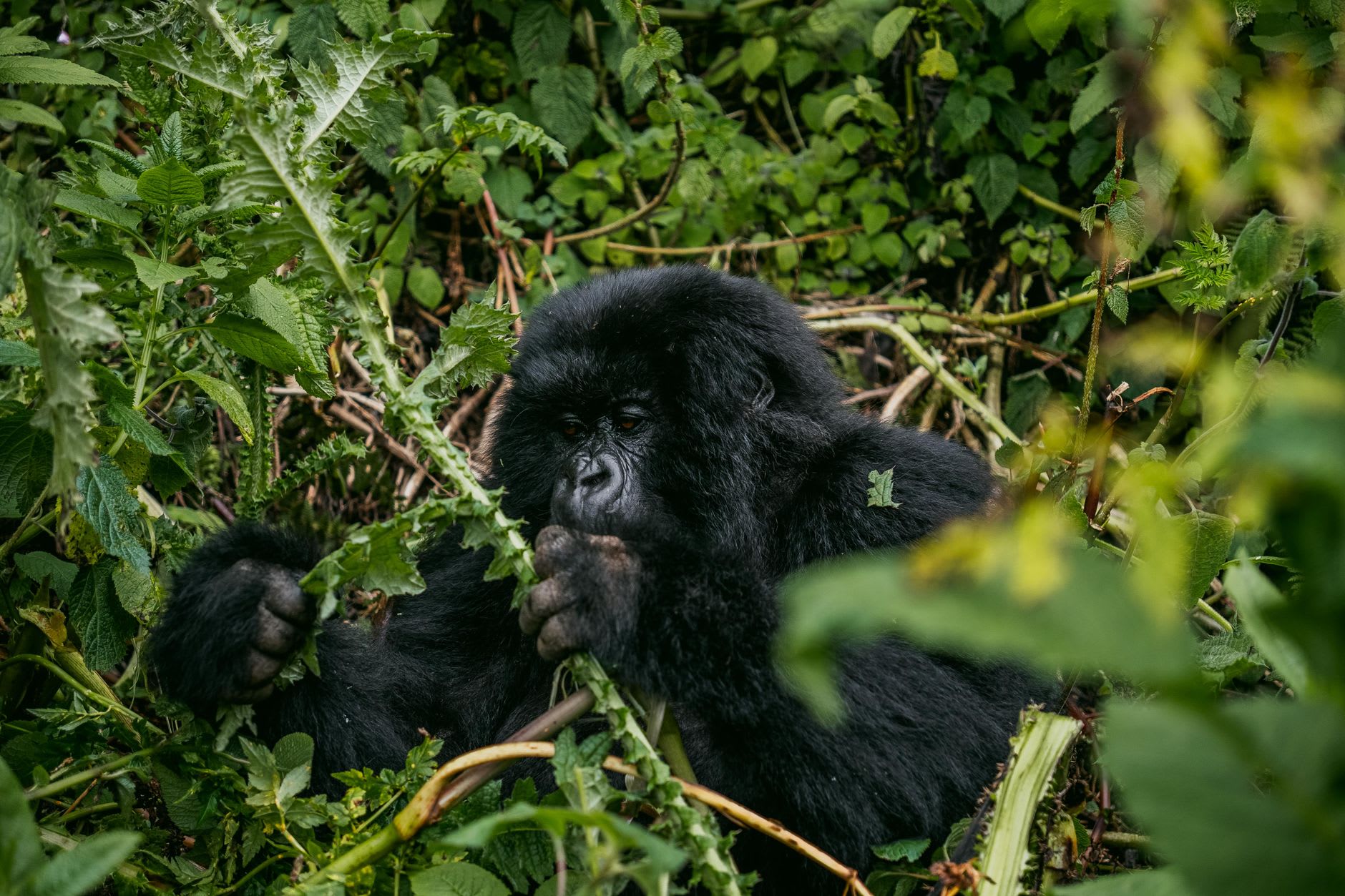
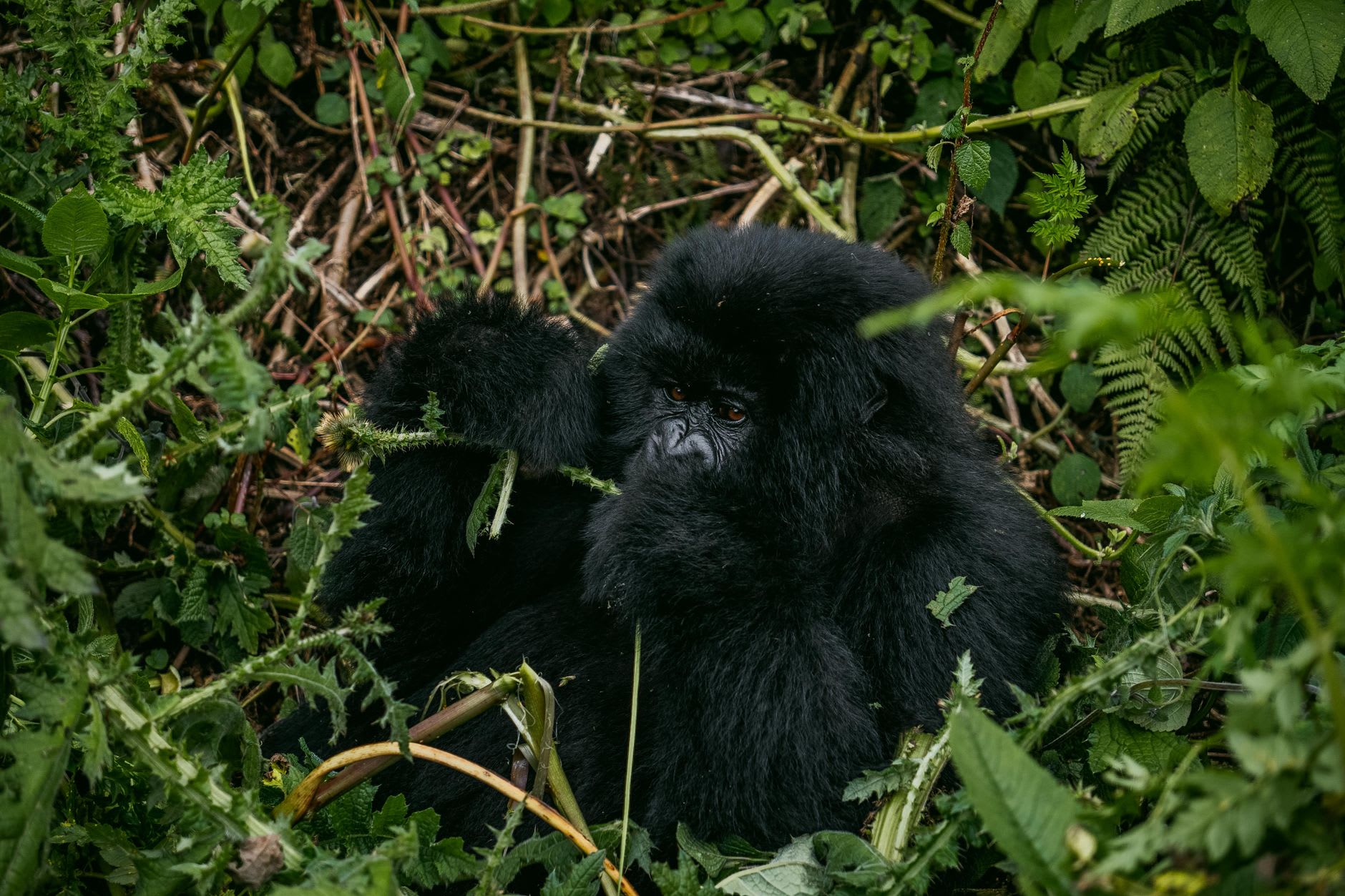
The park also runs one of Central Africa’s more unusual conservation programs: a chimpanzee reintroduction project, operated through a sanctuary near the park entrance, where orphaned chimpanzees confiscated from the illegal pet trade are rehabilitated for eventual release back into the forest. The sanctuary is not a zoo — it is clinical, purposeful, and deeply strange in the way that all close contact with great apes is strange, because you keep catching expressions that you recognize and that shouldn’t be there.
At night, sleeping in a simple room at the ranger station with the Atlantic audible through the window, the park makes its most compelling argument. The sound of the surf on an empty beach is different from the sound of the surf on a tourist beach. Without the human layer over it, you hear the water doing what it was doing before anyone arrived to describe it.
When to go: June through August is optimal — the peak leatherback nesting season runs from October through March, so if turtles are the primary draw, visit in that window. For general wildlife and accessibility, the June–September dry season is most reliable. Contact Congo Conservation Company or park authorities in advance for accommodation at the ranger station.