Moroni
"Every city has a smell — Moroni's is marine fuel and cloves, and somehow that combination is perfect."
I arrived in Moroni on the early boat from Anjouan, which deposited me at the port just as the muezzin began and the fishermen were already laying out their catch on the jetty. It was not yet six in the morning. The light was low and orange, the air thick with something I could not immediately identify — marine salt, yes, but also something floral and slightly medicinal, something that turned out to be ylang-ylang drying on wooden racks near the market. A boy no older than ten was hauling a yellowfin tuna larger than himself toward a waiting truck. That image — the boy, the fish, the orange light, the minaret rising behind them — stayed with me for the rest of my time in Comoros.

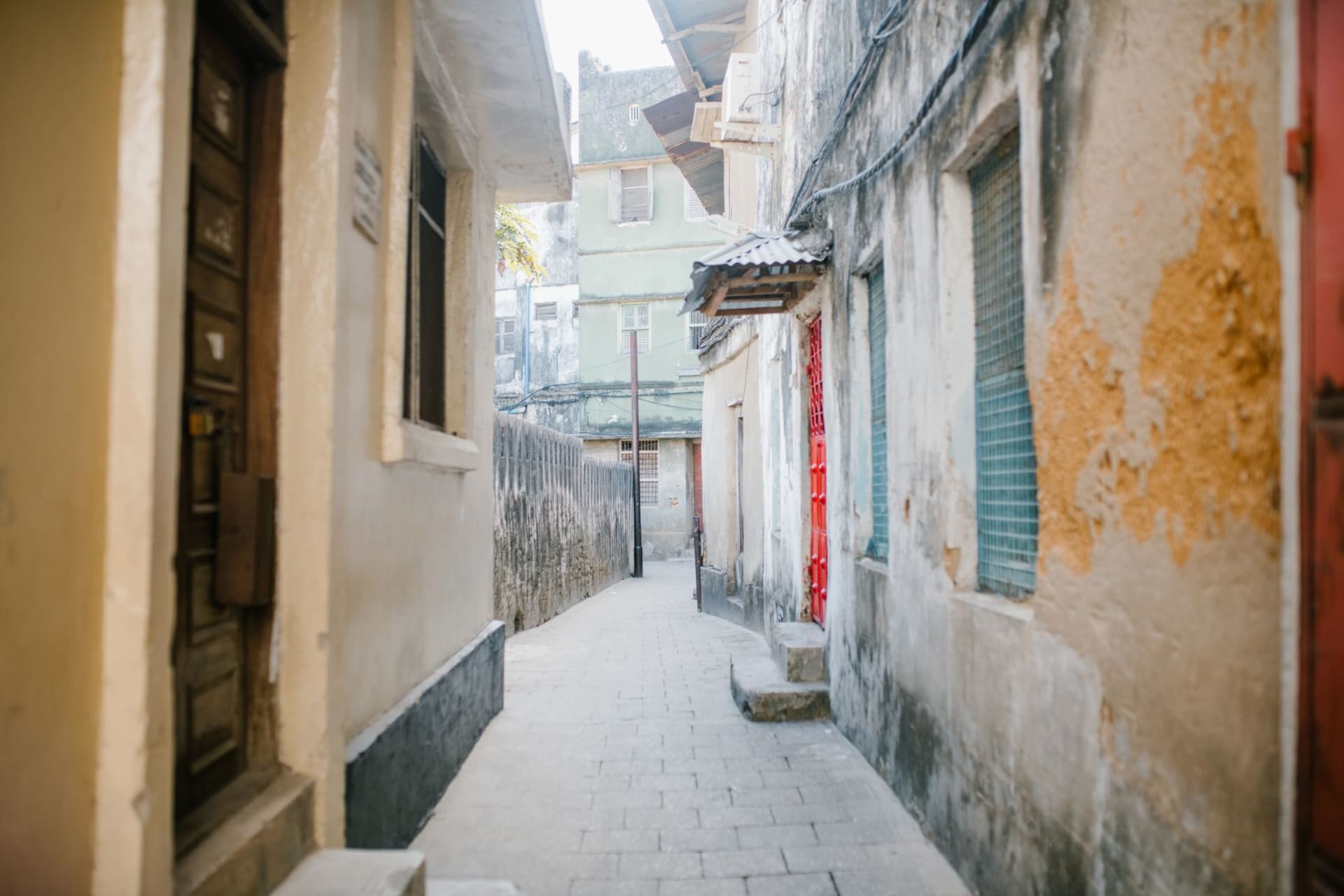
The old medina is not large, but it rewards the kind of slow walking I rarely allow myself. Its streets are built from coral stone, porous and cream-colored, warm to the touch in the afternoon. They narrow to the width of one person in places, opening suddenly into small squares where old men sit on steps and discuss things that appear to require no resolution. The Ancienne Mosquée du Vendredi — the Old Friday Mosque — is the heart of all of it: a squat, elegant structure whose minaret rises from a base of lava stone and whose interior, when I was allowed a brief look, smelled of incense and cool air. Outside, the sea was visible between the buildings, a strip of blue that appeared and disappeared as I moved through the alleys.
The market that runs along the port is the real museum of daily life in Grande Comore. Women in brightly printed kangas and some with mpangalaoui — a sandalwood and white-rice paste worn on the face as both sunscreen and adornment — haggle over cassava and breadfruit. Men carry sacks of cloves. Someone is always cooking something in oil somewhere nearby. I ate grilled sweet potato from a woman whose stall consisted of a small brazier and two plastic stools, and I ate it standing up because there was nowhere to sit, and it was one of the better things I have eaten in recent memory — caramelized on the outside, soft inside, dusted with something I never managed to identify.

In the evenings, the corniche comes alive in a particular Comorian way — neither festive nor melancholy, but sociable and unhurried. Boys play football on the waterfront. Families walk slowly, going nowhere specific. The dhows moored at the jetty creak against each other. Somewhere someone is playing an instrument I cannot name, something stringy and plaintive that carries over the water. I sat on a concrete wall for over an hour one evening watching the light leave the sky and found no good reason to move. That is what Moroni does, if you let it. It makes you want to stay still.
When to go: May through October is the dry season and the most comfortable time to visit Moroni — warm but not suffocating, and the sea is calmer for boat travel. Avoid November through March if you can; the cyclone season makes inter-island connections unreliable and the heat and humidity become serious. The Friday market near the Grand Mosque is particularly worth timing your visit around.