Africa
Comoros
"Three islands, no tourists, and the best fish I have eaten in my life."
The ferry from Moroni to Mohéli took four hours on a boat that should have been retired a decade ago. There were goats tethered to the rear deck, a generator that cut in and out, and no Wi-Fi, no cell signal, no other foreigners. By the time we arrived, the sun was low and the village of Fomboni was nothing more than a handful of concrete houses, a market stall selling fried cassava, and a woman on a motorcycle who turned out to be the only person on the island who rented rooms. I had not felt so far from the beaten path since the first time I crossed into Mexico without a plan. The Comoros archipelago has that effect — it resets your expectations of what travel can still be.
These three islands — Grande Comore, Anjouan, and Mohéli — sit in the northern Mozambique Channel, politically and logistically orphaned from the rest of the world. They are Muslim, French-speaking in formal settings, Comorian in daily life, and governed with a kind of cheerful dysfunction that somehow does not prevent the country from functioning. Mount Karthala, one of the world’s largest active calderas, dominates Grande Comore and erupts often enough that the locals treat it less as a threat and more as a temperamental neighbor. The hike to the summit takes you through cloud forest so dense you lose sight of the person in front of you, past sulphur vents, and into a silence broken only by the wind. Coming back down into Moroni — its white medina, its Old Friday Mosque, its port smelling of cloves and marine fuel — the contrast is violent and exhilarating.
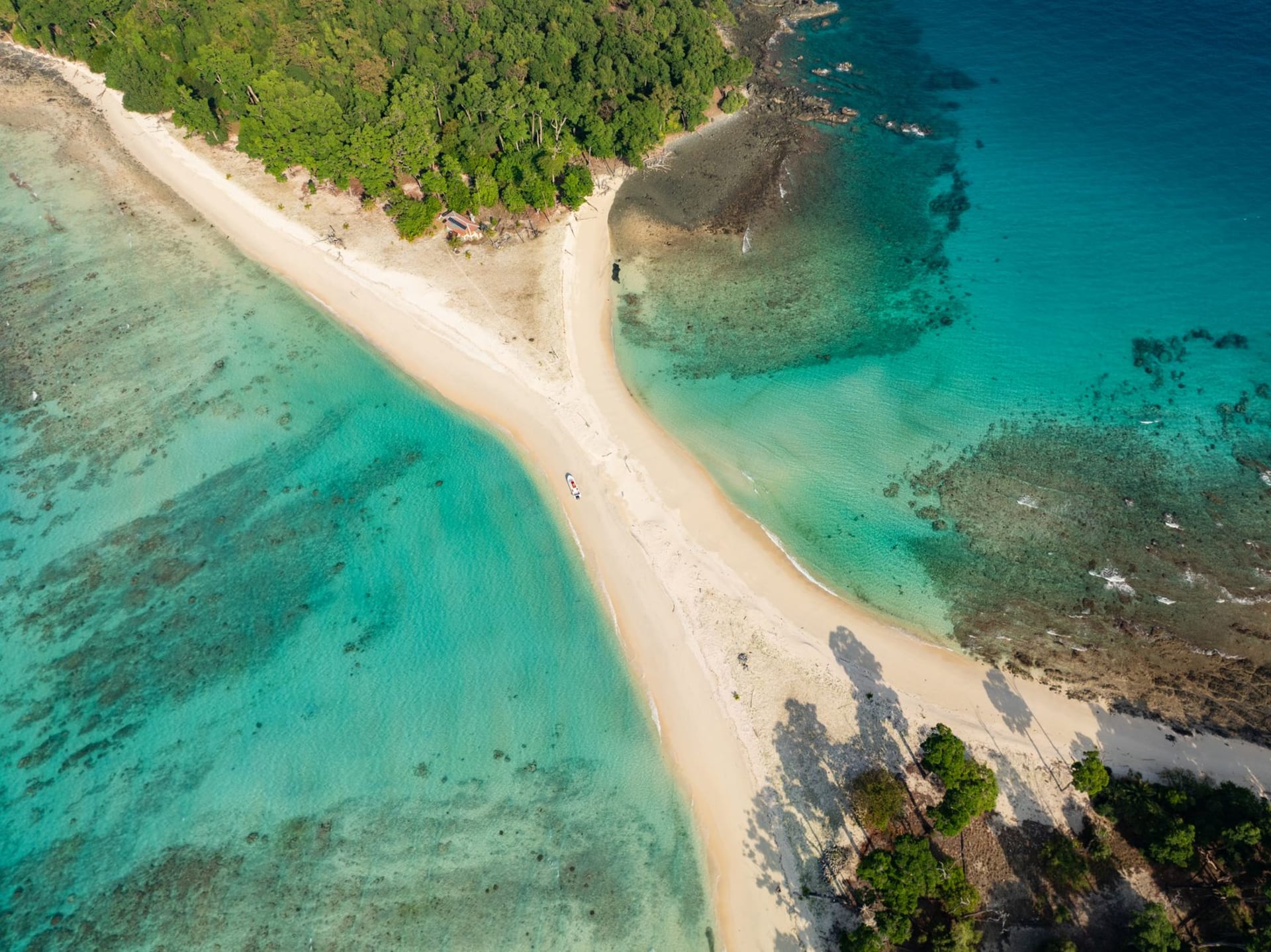
Mohéli is the quietest of the three and the one I think about most. Humpback whales calve in its waters between June and October. Sea turtles nest on the beaches of Itsamia in numbers that would seem implausible if you had not watched them with your own eyes. The reef off the south coast is among the least damaged in the Indian Ocean. And the food — grilled capitaine seasoned with cloves and coconut milk, served on a tin plate with rice and piment — was something I ate every day and would eat every day for the rest of my life if I could. The ylang-ylang flowers drying in the sun gave the whole island a sweetness that clung to your clothes.
When to go: May to October is dry season and the best time for marine life — whale watching peaks in August and September, turtle nesting runs July through October. April can be beautiful but unpredictable. November through March is the hot, humid cyclone season and travel between islands becomes unreliable. Plan around the boats: inter-island ferries operate on loose schedules and can be cancelled without warning.
What most guides get wrong: They either ignore Comoros entirely or list it as an extreme off-the-beaten-path curiosity for specialists. What they miss is that Comoros is simply what the Indian Ocean islands used to be before money and Instagram arrived. It is not hardship travel — you can find a clean room, a good meal, and warm hospitality without difficulty. What you will not find is anyone curating the experience for you. There are no resorts, no tour operators with polished websites, no Instagram spots with directions. You show up, you ask around, someone’s cousin has a boat. That is both the challenge and entirely the point.