
Via dell'Amore
"A path this famous should feel like a disappointment. Somehow, it doesn't."
The Via dell’Amore was built in the 1920s by workers who had to blast it directly into the cliff face, linking Riomaggiore to Manarola with a path just wide enough for two people to pass. The original purpose was practical — it gave local workers a route between the two villages that didn’t require climbing hundreds of meters up and over the ridge. Somewhere in the intervening century it acquired a mythology, padlocks engraved with initials began appearing on the railings, and the name stuck: the Path of Love. I walked it on a Tuesday in late spring, when it was partially open following a rockfall closure that lasted years, and I’m going to tell you something that might seem ungrateful given the mythology: it is genuinely beautiful.
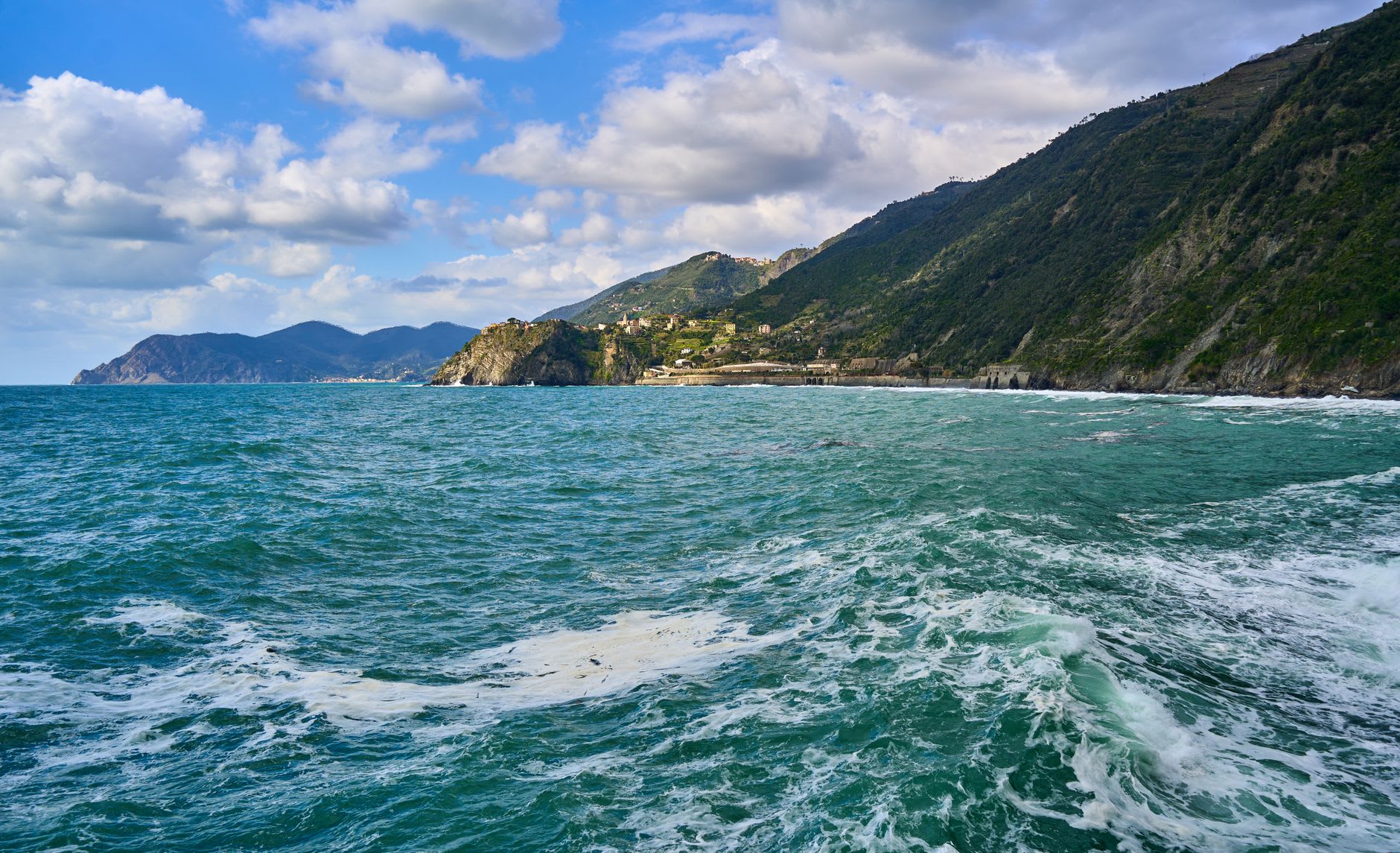
The path is flat, which in the Cinque Terre is itself remarkable — a horizontal cut through vertical terrain. One side is the cliff face, occasionally dripping with moisture and furred with ferns and small wildflowers that find purchase in the limestone cracks. The other side is open air, a railing, and then the sea, forty or fifty meters straight down. The water below is the particular shade of cold blue-green that the Ligurian Sea achieves in spring before the summer heat turns it warmer and bluer. I walked slowly, not because the path required it but because walking slowly seemed appropriate.
The padlocks are part of the experience whether you intend them to be or not. They cover sections of the railing in layers — some recent, some so weathered they’ve turned to verdigris, names and dates and small messages in half a dozen languages. I’m not someone who finds public declarations of sentiment embarrassing; the accumulated weight of all those specific moments — this person with that person, this date, this particular patch of Ligurian cliff — adds up to something genuinely moving. Evidence of the ordinary drama of being alive. I didn’t add a lock, having no lock and no one to add it with, but I stood and read several of the older ones and found I didn’t want to stop.
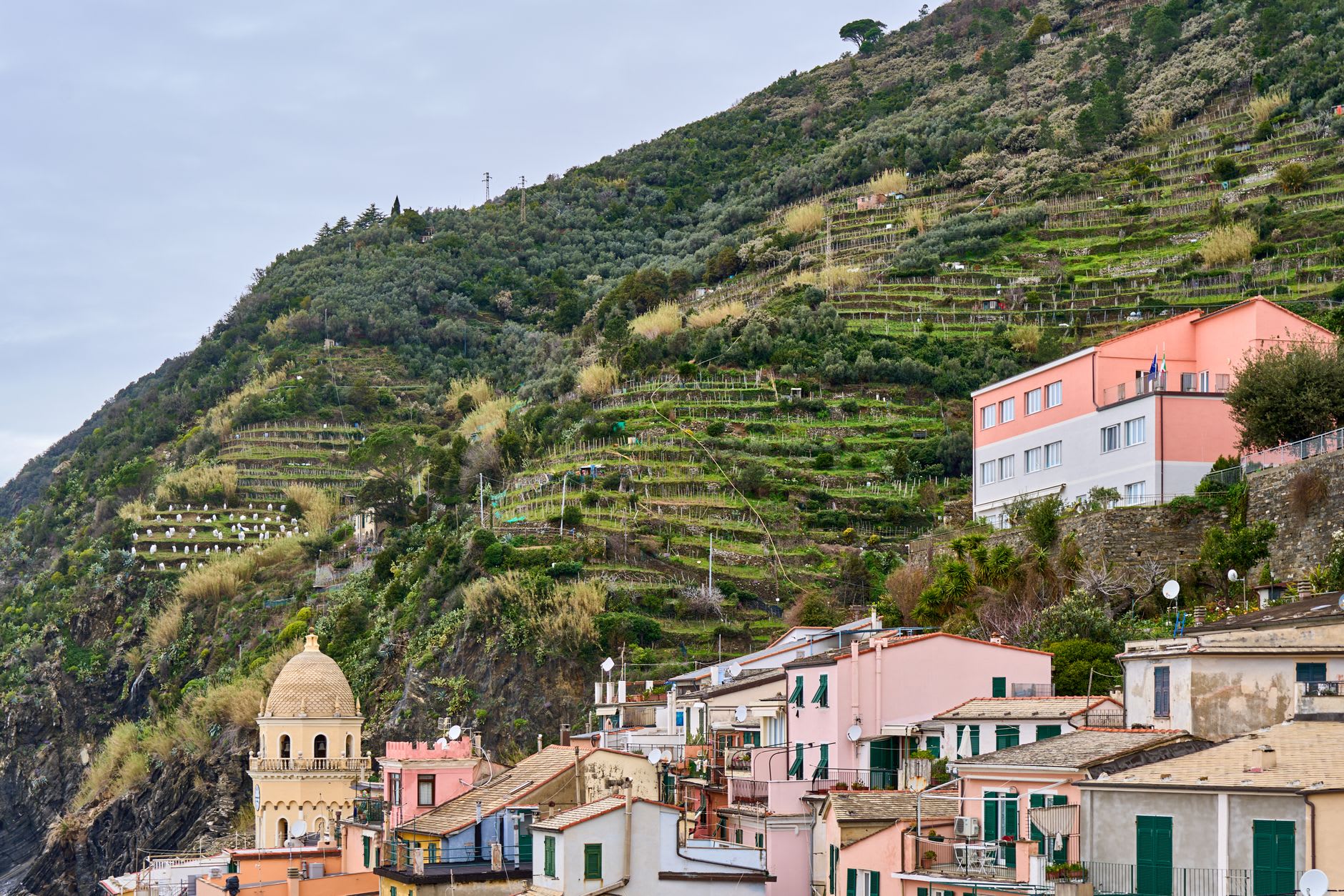
Manarola appears at the end of the path without much warning — the village slides into view around a rock promontory and suddenly you’re in the harbor, the fishing boats on their slipways, the smell of whatever someone is cooking for lunch rising from the buildings above. The transition from wild cliff path to inhabited village happens in about thirty seconds and is one of the more satisfying moment-transitions in short-distance walking.
The path closure history is worth knowing: a rockfall in 2012 damaged sections, and it remained closed for over a decade, partially reopening in 2023. The full route is short — just over a kilometer — but check current conditions at the national park website before building a day around it. The rangers at Riomaggiore station have the most current information, and they are, in my experience, direct about what’s actually passable versus what the website has gotten around to updating.
Even if only part of the route is open, walking it from the Riomaggiore end gives you the section with the best views. Turn back at any closed section and you’ll still have seen the cliff face, the sea below, and the accumulated love letters of a century.
When to go: Spring is ideal — April and May, when the wildflowers colonize the cliff face and the ferns are green and the path is damp from winter rains but walkable. Avoid the summer midday when it becomes a slow procession. Early mornings work best year-round — the light comes off the sea at a low angle and the path is momentarily yours.