Europe
Cinque Terre
"I arrived by train and stepped out into a postcard I'd somehow never believed was real."
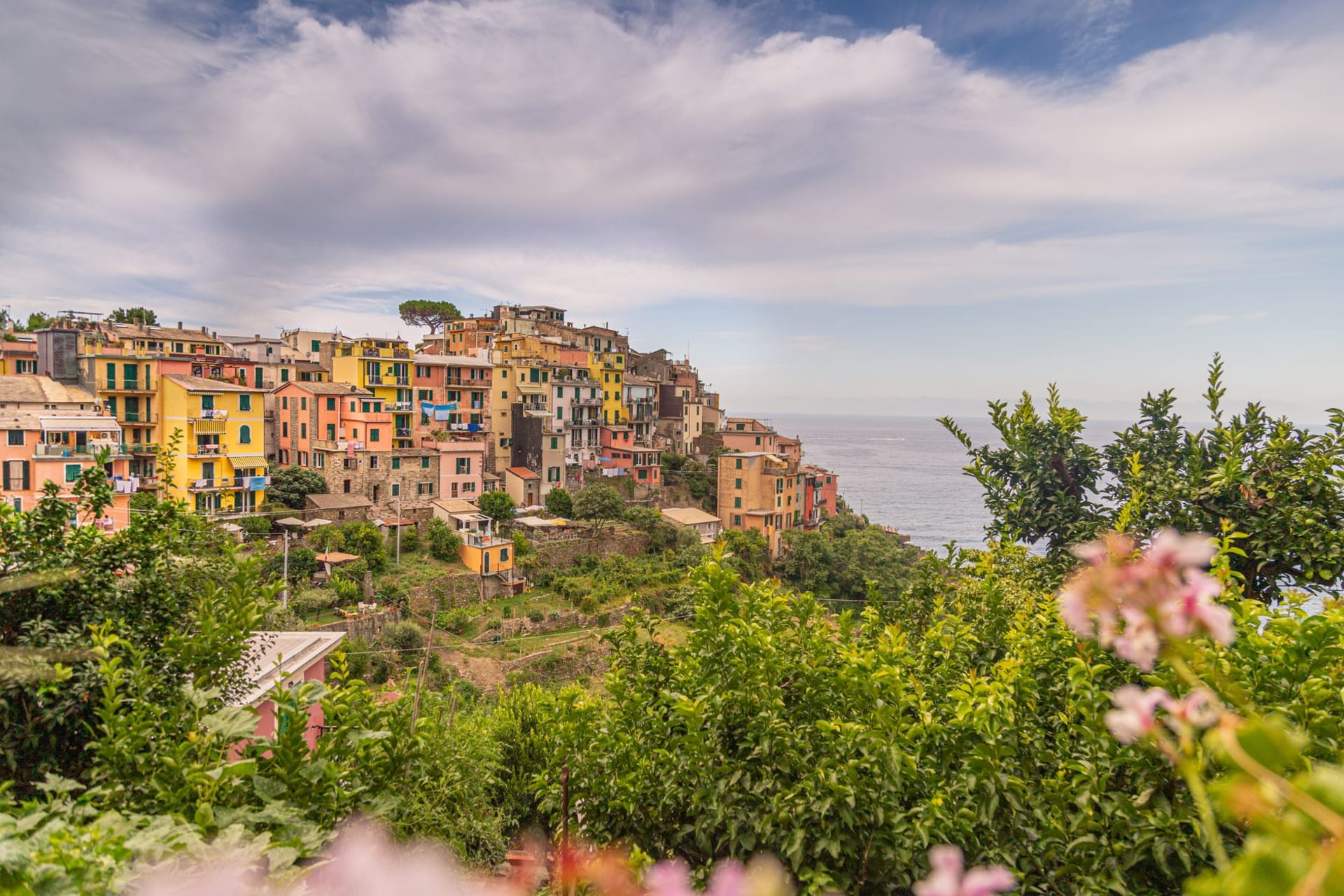
The train deposits you directly inside the cliff, and when you emerge from the tunnel into Riomaggiore, the sensation is almost violent — a wall of color and sea light that your eyes need a second to process. Terracotta and saffron and faded coral, stacked up the hillside with a logic that only makes sense once you understand that every centimeter of flat ground here was reclaimed from the rock over centuries of desperate ingenuity. I’d seen the photos a hundred times. They do not prepare you.
What the photos also don’t show is the smell: salt and wild herbs and something faintly diesel from the small boats, and then the particular sweetness of the focaccia that comes out of the bakeries in Vernazza before nine in the morning. The Cinque Terre trail — the Sentiero Azzurro — connects all five villages along the cliffs, and walking it properly takes most of a day if you’re not hurrying, which you shouldn’t be. The stretch between Corniglia and Vernazza is the one to prioritize: the villages drop out of sight, the trail narrows, and you’re suddenly alone above the sea with the kind of view that makes you briefly forget whatever it was you were worried about. Stop in Corniglia — the only village with no direct sea access, perched on a promontory — where the crowds thin and the wine is poured by a man who seems to have been doing exactly this since the 1970s. Order the sciacchetrà if you can find it, the local dessert wine made from partially dried grapes, sticky and amber and worth the price.
Monterosso is the most touristic and the most livable, with a real beach and actual restaurants that serve anchovies the way they’re supposed to be served — fresh from the sea, marinated in lemon, not tinned. Manarola is the one that photographs best at dusk, and for good reason: the light hits those painted facades at an angle that turns the whole village briefly gold.
When to go: Mid-April through early June or the first half of October. July and August are genuinely unpleasant — the trail is a human conveyor belt, the villages are suffocating, and the trains between them run late and packed. Spring brings wildflowers on the cliffs and emptier paths. October brings the vendemmia, the grape harvest, and a quality of afternoon light that makes even the most photographed corner feel discovered.
What most guides get wrong: They treat the Cinque Terre as a day trip from Florence or Milan, which means most visitors see it at its worst — midday, in summer, for three hours. The villages reward staying the night, when the tour groups evaporate and the place remembers it’s actually inhabited. Book a room in Manarola or Vernazza, eat dinner at a table above the water, and you’ll understand why people have been living in these impossible locations for a thousand years.