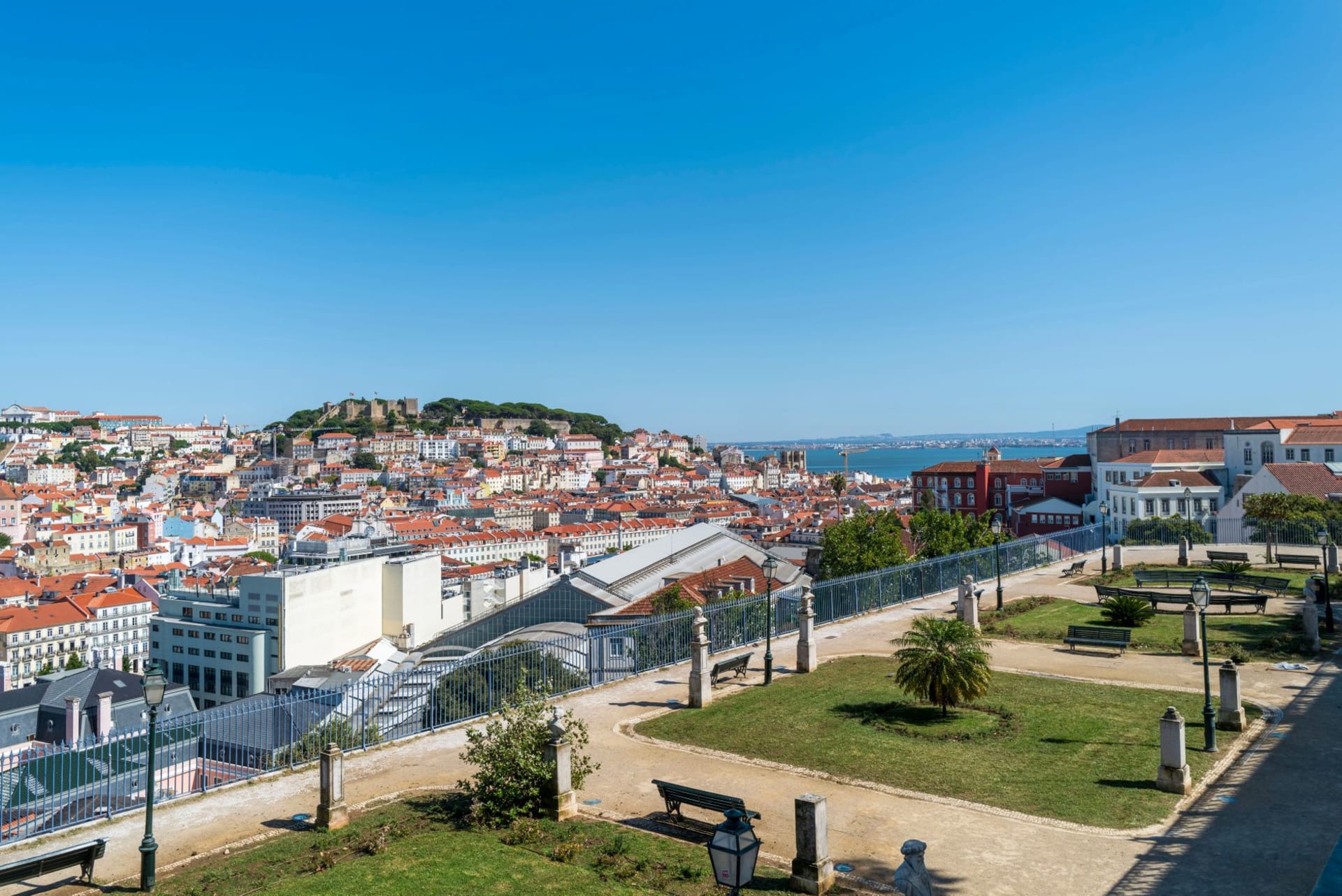
São Jorge
"Nowhere I've stayed in Brazil managed to feel this uninterested in impressing you. It's the highest compliment I know."
The bus from Alto Paraíso drops you at the entrance of São Jorge’s single unpaved street, and for a moment you stand in a cloud of red laterite dust wondering if you’ve made a mistake. The town is smaller than photographs suggest — a handful of pousadas, a few restaurants, a well with a hand pump at the center of the square, chickens crossing without particular purpose. Then someone brings you a glass of cold caldo de cana from the juice machine on the corner, still pale and sweet and faintly grassy, and you understand immediately why people come here for three days and stay for two weeks.
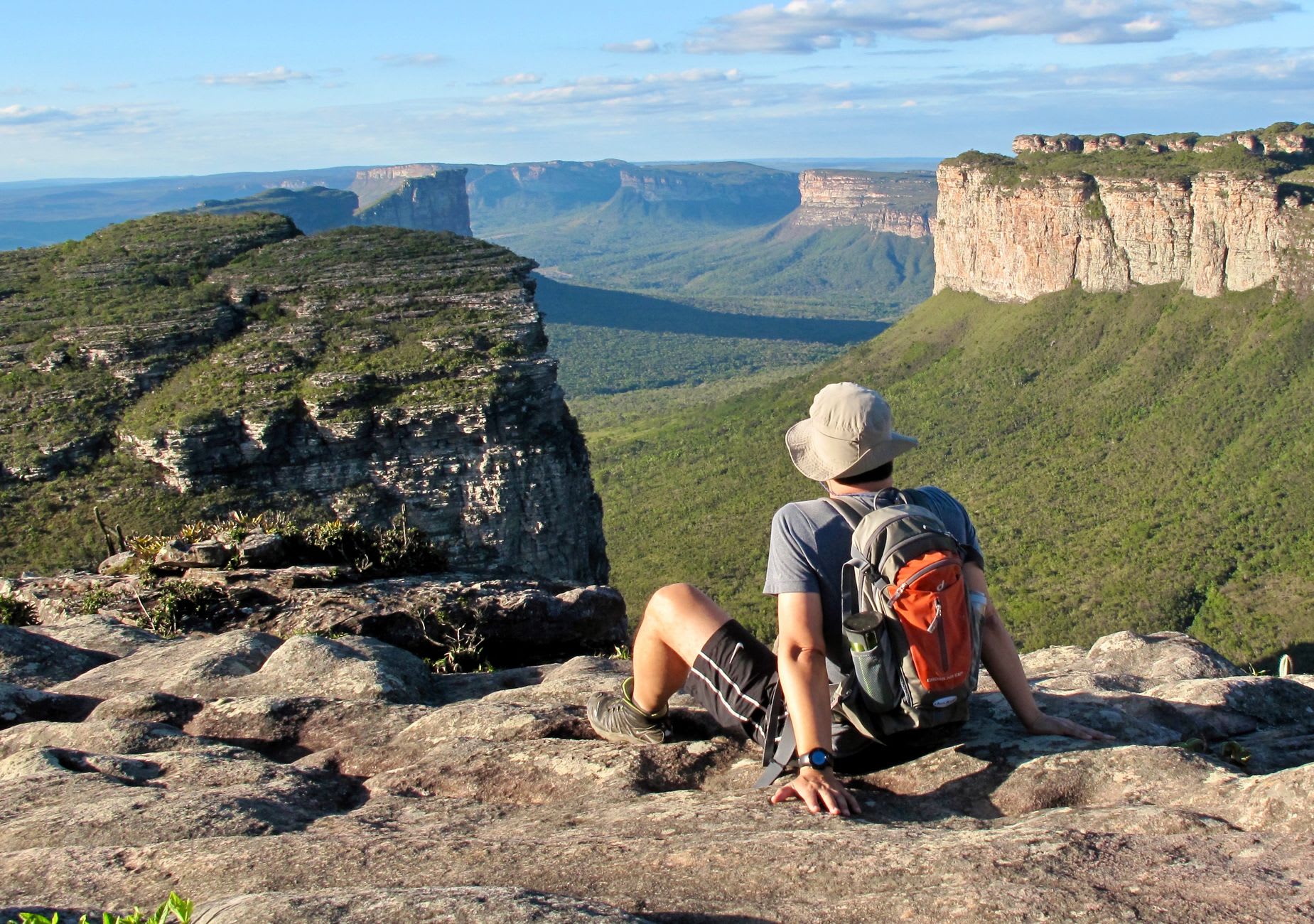
São Jorge exists at the entrance of the Parque Nacional da Chapada dos Veadeiros, which means it has grown up slowly and deliberately around the specific rhythms of the park. The guides live here. The cooks who make your rice and pequi are the same people whose grandparents farmed the cerrado before the national park absorbed the land. There is none of the frantic reinvention you see in Brazilian towns that have discovered tourism recently — São Jorge has been receiving visitors long enough that it has developed a relationship with them rather than a strategy. Pousadas are family-run, often just a few rooms in someone’s home with a hammock-strung garden that faces the cerrado. Breakfast is communal and unhurried: tapioca with queijo minas, fruit from the garden, coffee kept on the stove all morning.
The food in the village restaurants deserves more attention than it typically gets in travel writing about the Chapada. This is Goiás cuisine, which the rest of Brazil has been slow to acknowledge as something specific and worthwhile. Pequi — the waxy yellow fruit of the cerrado that smells like nothing else in the world and tastes like butter cut with something resinous and wild — appears in rice, in chicken stew, in caipirinha. You eat it carefully, scraping the flesh from the seed’s hair-thin spines with your teeth, and the taste is so particular that for years afterward any cerrado smell will bring it back to you. Corn porridge arrives thick and slow, garnished with slow-cooked pork. Homemade doce de leite comes in a small jar with a spoon.

Evenings in São Jorge have a specific texture. The day’s hikers filter back from the park trails sunburned and tired around four o’clock, shower, reconvene on pousada terraces with cold beer. The conversation turns slowly from waterfalls to the logistics of tomorrow’s hike to something more meandering — where people are from, why they came here, how long they’re staying. By nine the village is quiet in a way that cities are never quiet. The cerrado insects take over the sound spectrum. Stars appear in numbers that you forget are possible until you’re somewhere genuinely dark.
When to go: Accommodation fills in July during Brazilian school holidays — book ahead. The shoulder months of May, June, August, and September offer the dry season’s clear skies and accessible trails without the peak crowds. São Jorge has no rainy-season personality to speak of; most visitors don’t come then, and the restaurants keep irregular hours.