Saltos do Rio Preto
"We heard the bigger fall a full ten minutes before we saw it. The cerrado does not prepare you for that sound."
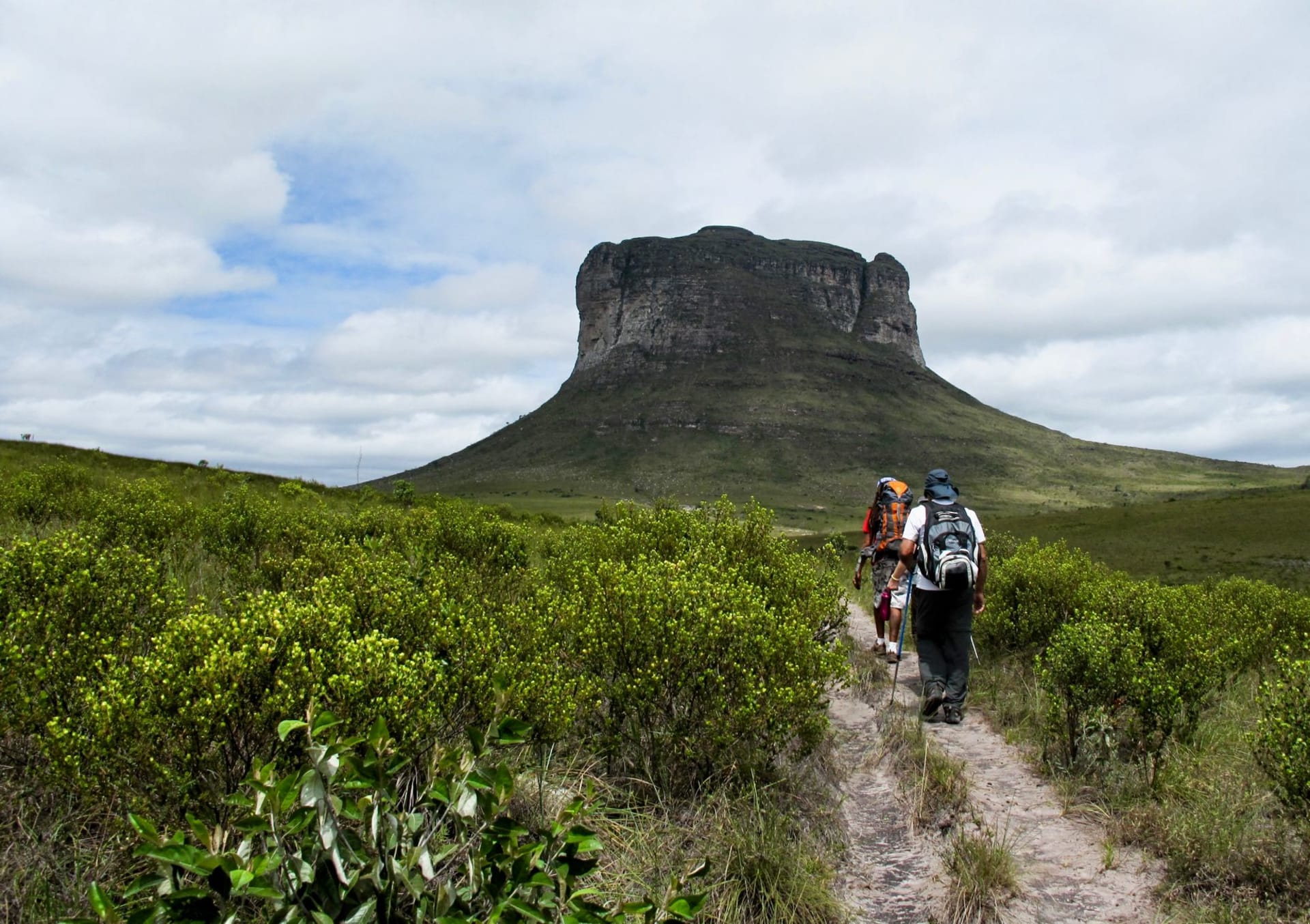
The two big waterfalls on the Rio Preto are the headline attraction inside the Chapada dos Veadeiros national park proper, the part you can only enter with a park ticket and a guide, on foot, in the cool of the morning. We set out from the visitor centre near Alto Paraíso while the cerrado was still grey and dewy, walking across a high plateau of twisted trees and white quartz scattered like spilled sugar. There is nothing gentle about this landscape — it is ancient, scoured, and slightly hostile in the way very old places often are.
The Long Drop
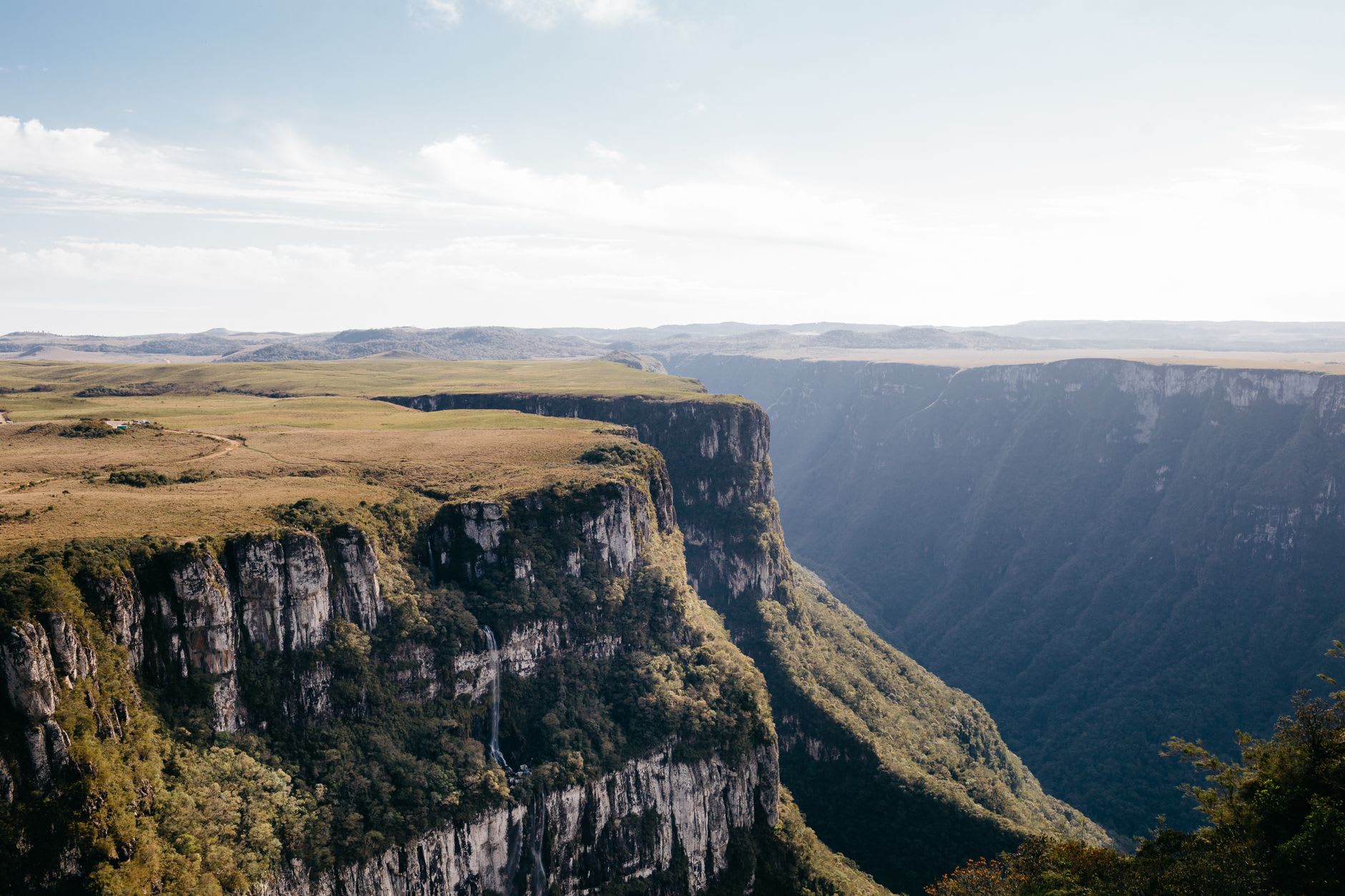
The first fall, Salto I, drops around 120 metres, and you reach the viewpoint at its lip before you understand the scale of what you’re standing beside. The Rio Preto simply runs off the edge of the world and disappears into a canyon, the water going to mist halfway down. I lay on my stomach at the safe distance the guide insisted on and looked over, and the bottom seemed impossibly far away, a green pool the size of a coin. Lia, who is sensible about heights in a way I am not, stayed back and watched me make a fool of myself.
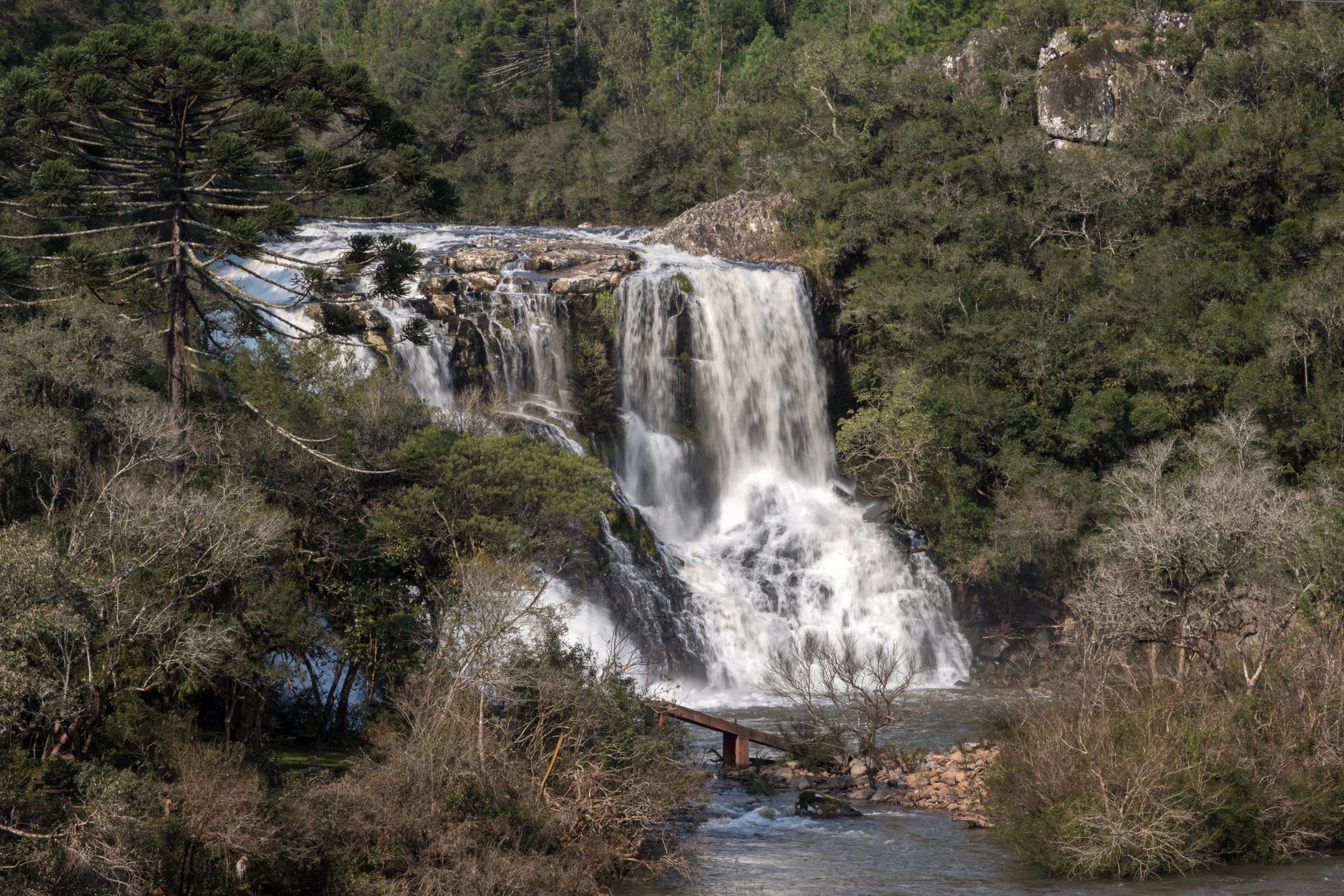
To reach the second fall, Salto II, you descend a long staircase of stone and metal into the canyon itself — well over a thousand steps, I lost count somewhere in the seven hundreds — and the temperature drops and the vegetation thickens into something almost rainforest as you go. At the bottom there is a pool you can swim in, the smaller of the two falls hammering down at one end and sending up a constant cold spray. I floated on my back and looked up at the canyon walls and the strip of sky and felt the entire walk in had been a reasonable price.
Cerrado on the Way
The walk between the falls and back up is its own reward, if you can call a thousand-step climb a reward without irony. The cerrado here is in flower for much of the year — small tough blooms, sundews glinting in the boggy patches, lizards on the quartz. Our guide stopped constantly to point out plants used by the old Kalunga communities, and the medicinal logic of half the landscape, which I promptly forgot and wish I hadn’t.
Doing It Right
Entry to the park is capped and ticketed, with a guide required, so book ahead through the park system or an operator in Alto Paraíso or São Jorge. Start early — they close the trail to new entries by mid-morning, and you do not want to be doing the climb back up in the full afternoon heat. Bring more water than feels reasonable.
When to go: May through September, the dry season, when the trails are firm and the falls are still flowing well. The park sometimes restricts access during the worst of the dry-season fire risk, so check before you build a day around it.