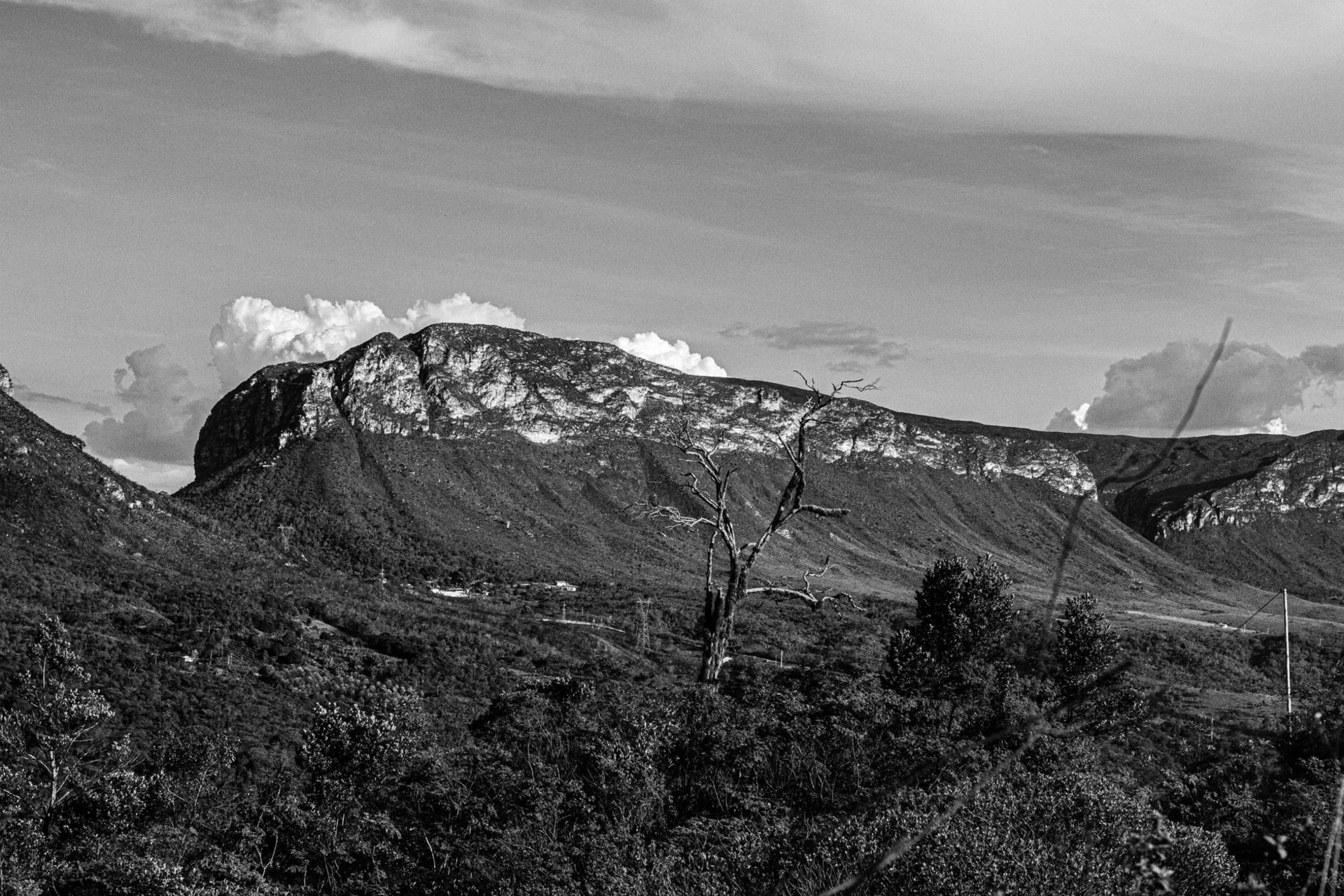
Alto Paraíso de Goiás
"A town where you can buy rose quartz, rent a UV therapist, or get a proper butcher's cut — sometimes from adjacent shops."
I arrived in Alto Paraíso on a Tuesday afternoon when the rains had just ended and the red dirt of the main street was steaming faintly in the returning sun. A woman in flowing white linen was lighting incense outside a crystal shop. Next door, a man in rubber boots was unloading a truck of fence posts. This is the fundamental texture of Alto Paraíso: two Brazils occupying the same street without much friction, one looking inward toward Ayurveda and past-life regression, the other looking outward at the same cerrado plateau it has looked at for generations. I found it unexpectedly compelling.
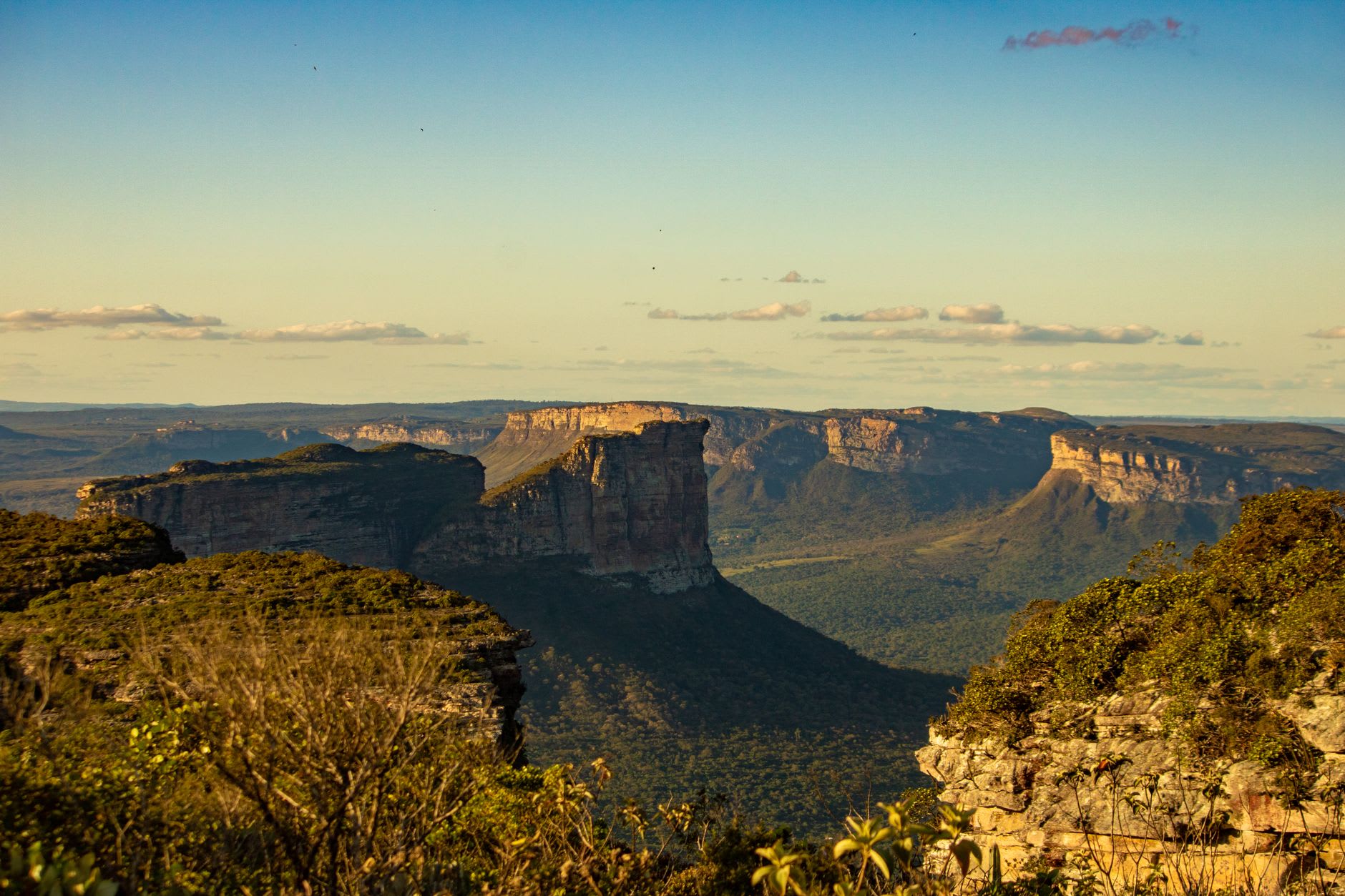
The New Age dimension of Alto Paraíso is not subtle. The town has been attracting spiritual seekers, alternative medicine practitioners, and people who describe themselves as sensitives since at least the 1980s, drawn partly by the quartz crystals that run through the plateau’s geology and partly by something harder to name — the landscape’s particular combination of altitude, silence, and antiquity that registers as significant even if you have no spiritual framework to put it in. The crystal shops sell raw stones pulled from local mines alongside polished specimens from every continent. The pharmacy stocks Bach flower remedies alongside standard antibiotics. I walked past a building advertising quantum healing, chromotherapy, and past-life regression within thirty meters of a car repair shop with engine parts arranged on the sidewalk.
What saves Alto Paraíso from the slightly depleted quality that can affect places captured by a single type of visitor is the persistence of ordinary Goiás life underneath the spiritual tourism layer. The municipal market on Saturday mornings sells pequi, mangoes, the dried meat that Goianos call carne seca, and bottles of handmade rapadura. The pharmacy is run by a family that has been in Alto Paraíso for three generations. The bakery — the good one, not the one with the raw vegan menu — opens at six and sells pão de queijo still hot from the oven, the cheese bread of Minas Gerais that has spread across the central plateau and become the region’s most unremarkable luxury.

Alto Paraíso is the practical base for the Chapada rather than the emotional one — that role belongs to São Jorge, which is smaller and stranger and sits right at the park entrance. But Alto Paraíso is where you hire guides, stock up on food for multiday treks, find a good internet connection to reorganize your plans, and eat a proper restaurant meal if São Jorge’s limited kitchen options have worn you out. There are also genuine reasons to stay: the Jardim de Maytreya, a spiritual community outside town that opens its gardens to visitors, is one of the more quietly beautiful places I’ve spent a morning in Brazil. The cerrado around Alto Paraíso offers walking trails that receive a fraction of the park’s visitors and have a different, more open quality — the landscape spreading flat to the horizon, impossibly blue sky, twisted trees casting short shadows.
When to go: Alto Paraíso functions year-round as a service town — restaurants, guides, and accommodation operate throughout the dry and wet seasons. The festival calendar includes a new moon gathering in June and several spiritual retreats that fill local accommodation in September and October. For practical access to the national park trails, the dry season (May–September) is when to be here.