Vale do Capão
"The valley operates on a different clock — one that runs on drum circles and cashew wine and doesn't care about your schedule."
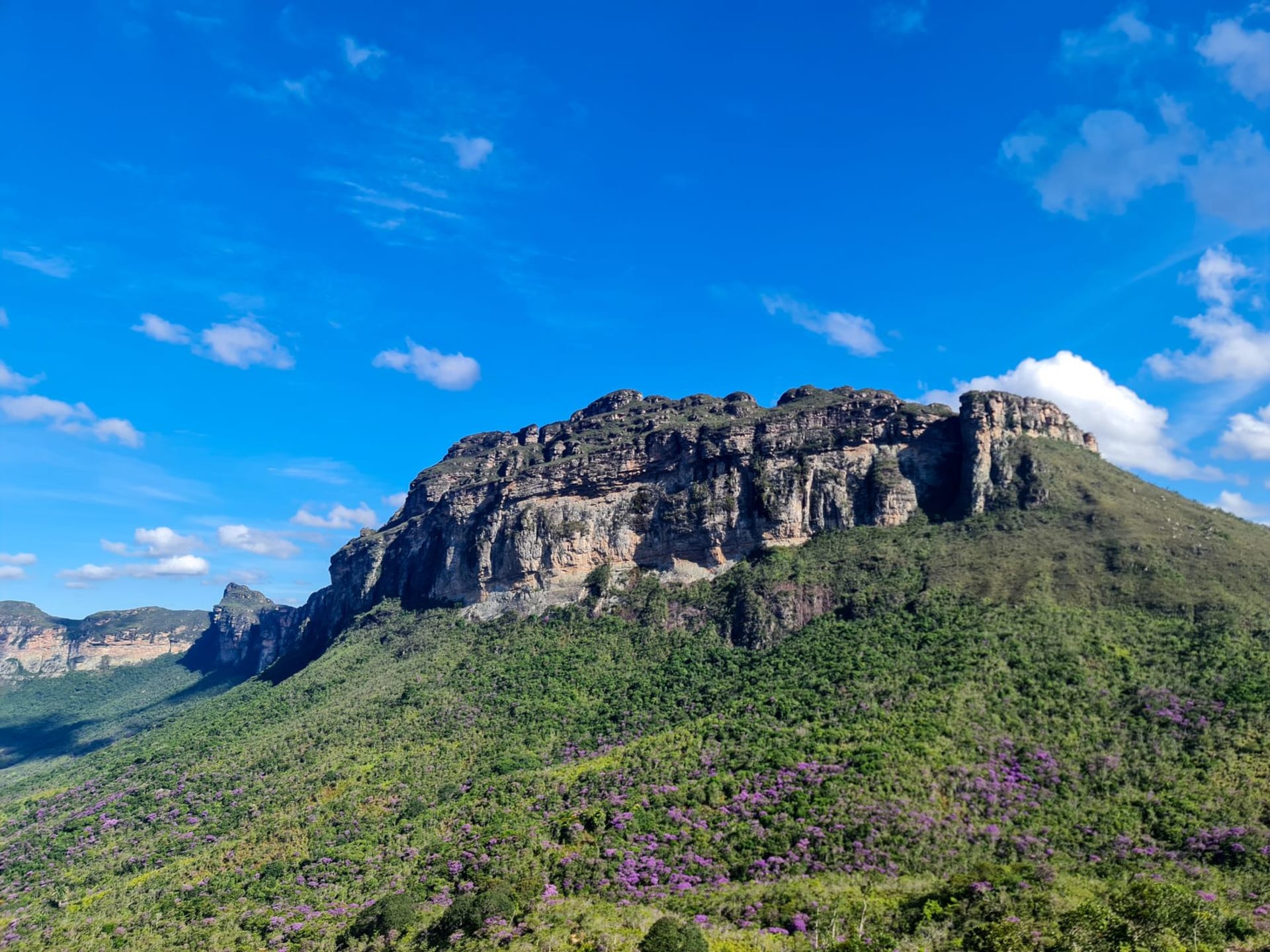
I came to Vale do Capão expecting a certain kind of alternative scene — incense, dreamcatchers, the usual visual vocabulary of places where people go to find themselves — and I found all of that. But I also found something I hadn’t expected: a valley of extraordinary physical beauty that makes all the searching feel earned. Caeté-Açu, the village at the valley’s heart, sits below an escarpment of sandstone cliffs that rise abruptly from the valley floor like a geological interruption, their orange faces streaked with the black of mineral deposits, and the effect of arriving at dusk when those cliffs catch the last light is something I will not soon forget.
The village runs on a loose community ethic. There are no chain hotels, no restaurant menus in seven languages, no organized tour buses. There are pousadas run by people who have been here for twenty years and know every trail, restaurants where the daily menu is written on a chalkboard and might be gone by one o’clock, and small healing centres offering massages, reiki, whatever you’re after. I am not a wellness person, generally, but in the Vale do Capão even scepticism softens. The valley creates a particular quality of quietness. The only sounds at night are frogs and the distant percussion of someone’s drum.

The trails are the real reason to come. The Cachoeira da Fumaça base trail begins here, ascending through gallery forest and then cerrado scrub toward the base of the waterfall. But there are shorter options: Cachoeira do Riachão is a forty-minute walk from the village, a tiered waterfall descending over smooth quartzite into a series of natural pools where the water is the colour of mint glass. I went in the late morning, swam in three different pools moving downstream, ate mangoes that a woman was selling from a basket at the trailhead on the return, and felt an uncomplicated happiness that took me slightly by surprise.
The food in the valley follows the community’s ethos: vegetarian-heavy, fresh, grown nearby where possible. There is a woman near the main square who makes tapioca pancakes from scratch, filling them with banana and honey and local cheese. There is a place that serves caldo verde thick with kale from a garden out back. There is another that does fish on Fridays — tucunaré from the São Francisco tributaries, grilled over wood with a manioc sauce that has some heat to it. The cooking is not fancy, but it is done with the particular care of people who chose this valley and take the living of it seriously.

On my last evening, someone organized an impromptu forró dance in the square — a generator, a speaker, people of approximately every age moving in the particular shuffling, circular rhythm of Brazil’s northeastern folk dance. I don’t dance, or told myself I don’t, until a woman of about sixty-five took my hand and demonstrated that this was a correctable condition. I was terrible. Nobody cared. The cliffs above the village had gone purple in the dusk, and the frogs were starting.
When to go: June through September is the most comfortable — dry, clear, cool evenings. But the valley’s waterfall-centric culture means April and May (end of wet season) deliver maximum water volume. Avoid Carnival and New Year; the valley fills with revellers and loses its characteristic quietness entirely.