
Palmeiras
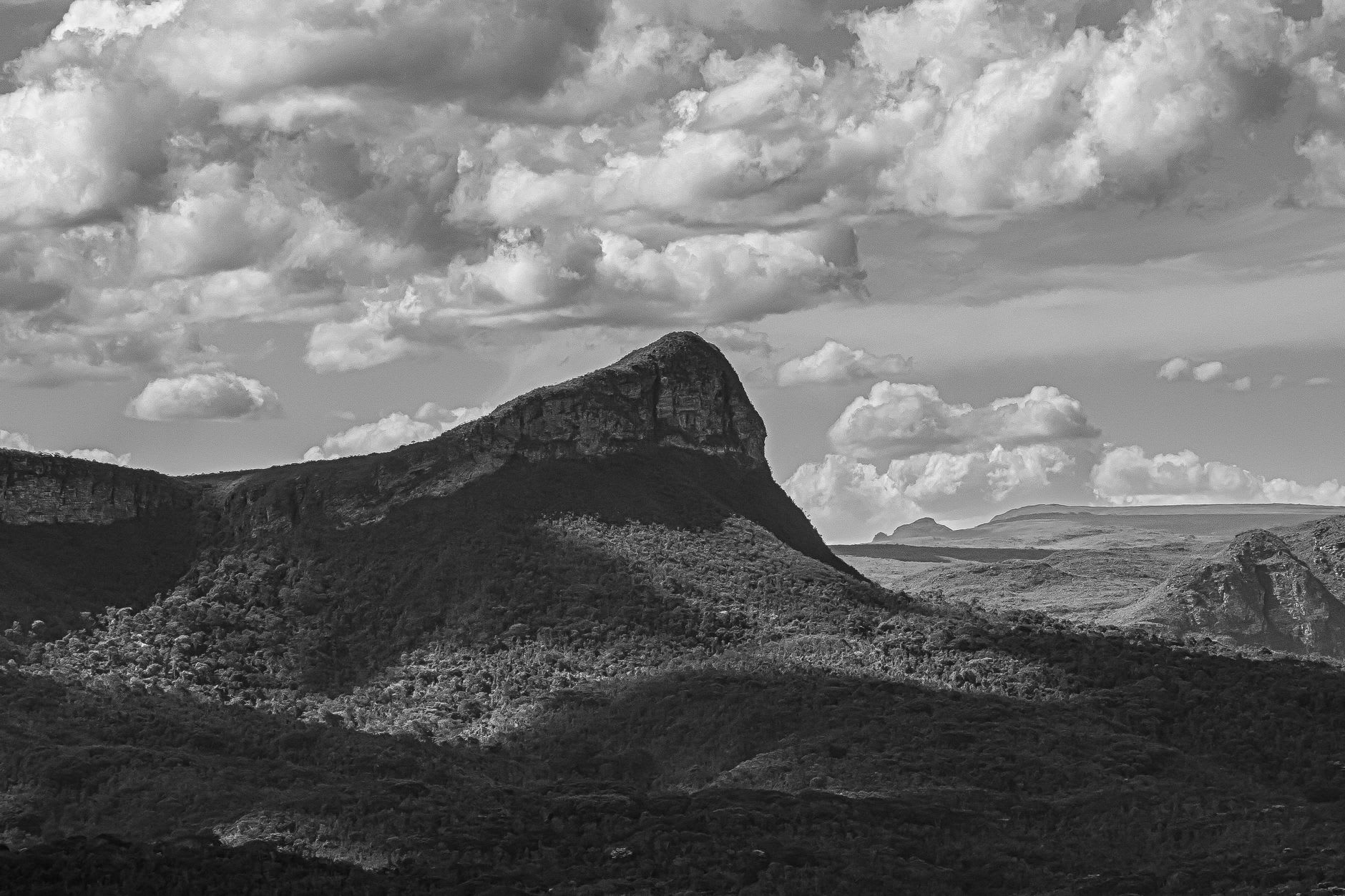
"The cliffs behind Palmeiras are so close and so large they stop feeling like scenery and start feeling like weather."
Most people pass through Palmeiras without stopping, which is exactly the error the town’s understated character invites you to make. It sits at the bottom of the Chapada’s western escarpment — the cliffs behind it rising so abruptly and so high that in the late afternoon they cast the whole town into shadow — and it functions primarily as a logistical node: the place where guides pick up hikers for the ascent to the Fumaça summit, where market trucks fill up on their way between the plateau and the coast. There is one main street. There is a church. There are several bars where men watch football and seem neither pleased nor displeased by the presence of a stranger.
I stayed because my truck broke down, and I stayed on by choice. The mechanical failure happened two kilometres outside town — something in the fuel line, my driver explained with the particular calm of a man who has experienced every possible vehicular disaster on these roads and considers none of them remarkable — and we waited four hours for a part to arrive from Lençóis. I spent those four hours in the town’s one bar, eating caldo de mocotó — a thick stew of cow’s foot, rich and gelatinous and more delicious than its description suggests — watching a storm build over the escarpment above and then release itself on the cliffs in a curtain of rain while the town below stayed dry.
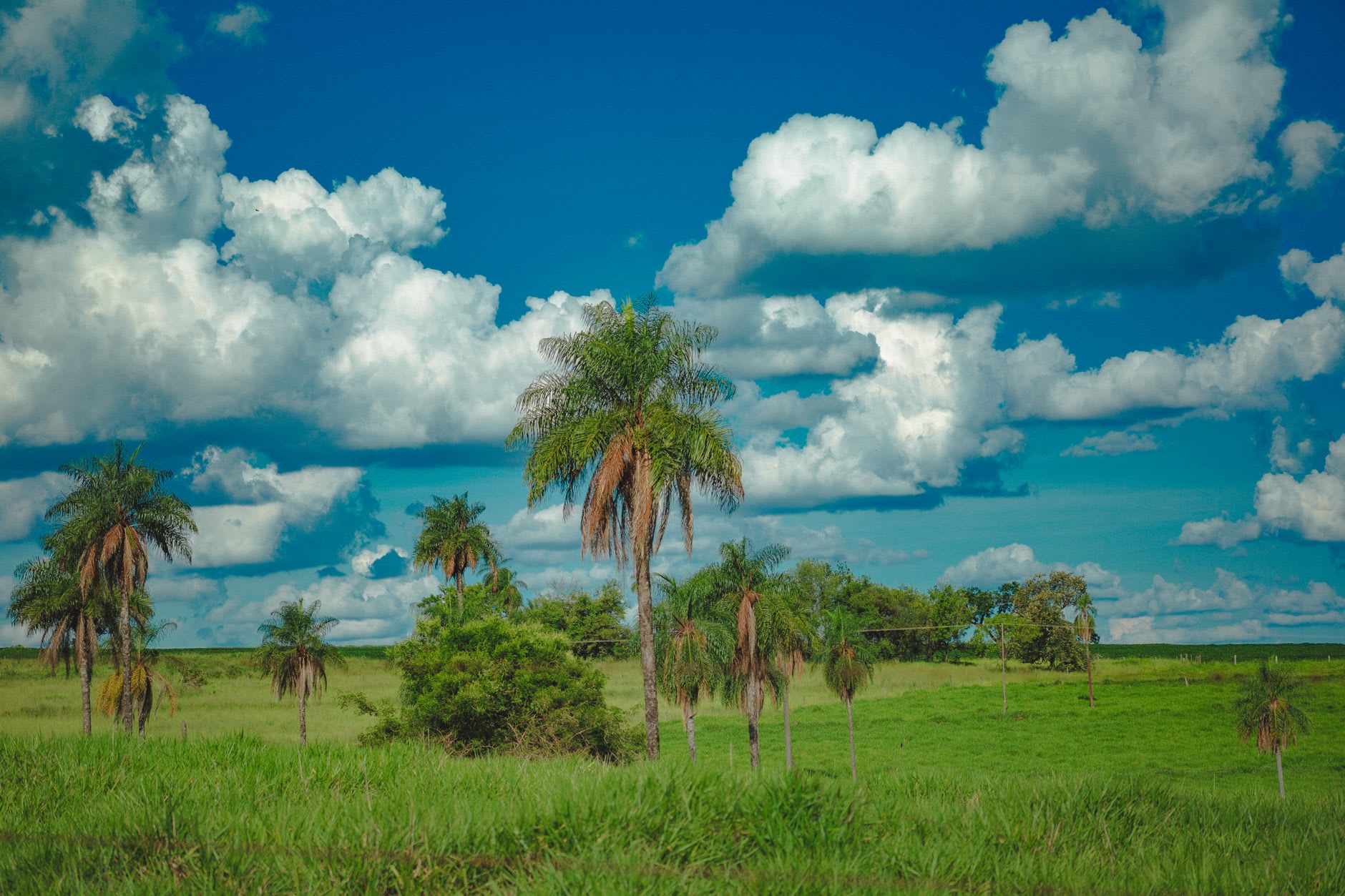
The Marimbus wetlands begin on the town’s eastern edge where the land flattens and the drainage from the plateau spreads out into a mosaic of flooded cerrado, stands of buriti palm, and slow dark channels navigated by canoe. It is a different Chapada from the rocky, elevated world of the trails above — humid, green in a heavy way, full of birds and frogs and the particular stillness of standing water. The buritis are magnificent: their trunks scaling ten and fifteen metres, their feathered crowns far overhead, and the light filtering through them in late afternoon becomes something amber and almost sacred. The Marimbus is Chapada Diamantina’s lesser-known face, and Palmeiras is its most natural entry point.
The town has a festival in June — Festa de São João, the mid-winter celebration that runs through the northeastern interior with bonfires and forró and the particular exuberance of Bahian people who take their festivities seriously. I was not there for it, but the preparations I saw — paper flags strung between houses, a temporary dance floor being hammered together in the square — suggested something committed. The bar owner explained the festival with the mix of local pride and slight exasperation of someone who lives adjacent to the event’s chaos and wouldn’t have it any other way.
What Palmeiras offers that the more touristed towns don’t is a complete absence of performance. Nobody is trying to sell you anything you didn’t come looking for. The guides who work the Fumaça summit trail out of here are efficient, knowledgeable, and priced at about sixty percent of what you’d pay for the same service organized from Lençóis. The pousada where I eventually stayed — the mechanic’s wife ran it, which is one of those details that only happens in small towns — served a breakfast of fresh fruit, fried eggs, and corn cake that I found myself thinking about for the remainder of the trip.
When to go: June through September for the Fumaça summit trail — dry, clear, manageable. For the Marimbus wetlands by canoe, the wet season from January through April dramatically expands the navigable area and the birdlife peaks. The São João festival in late June is worth arranging a visit around if you want to see the Chapada’s interior culture at its most animated.