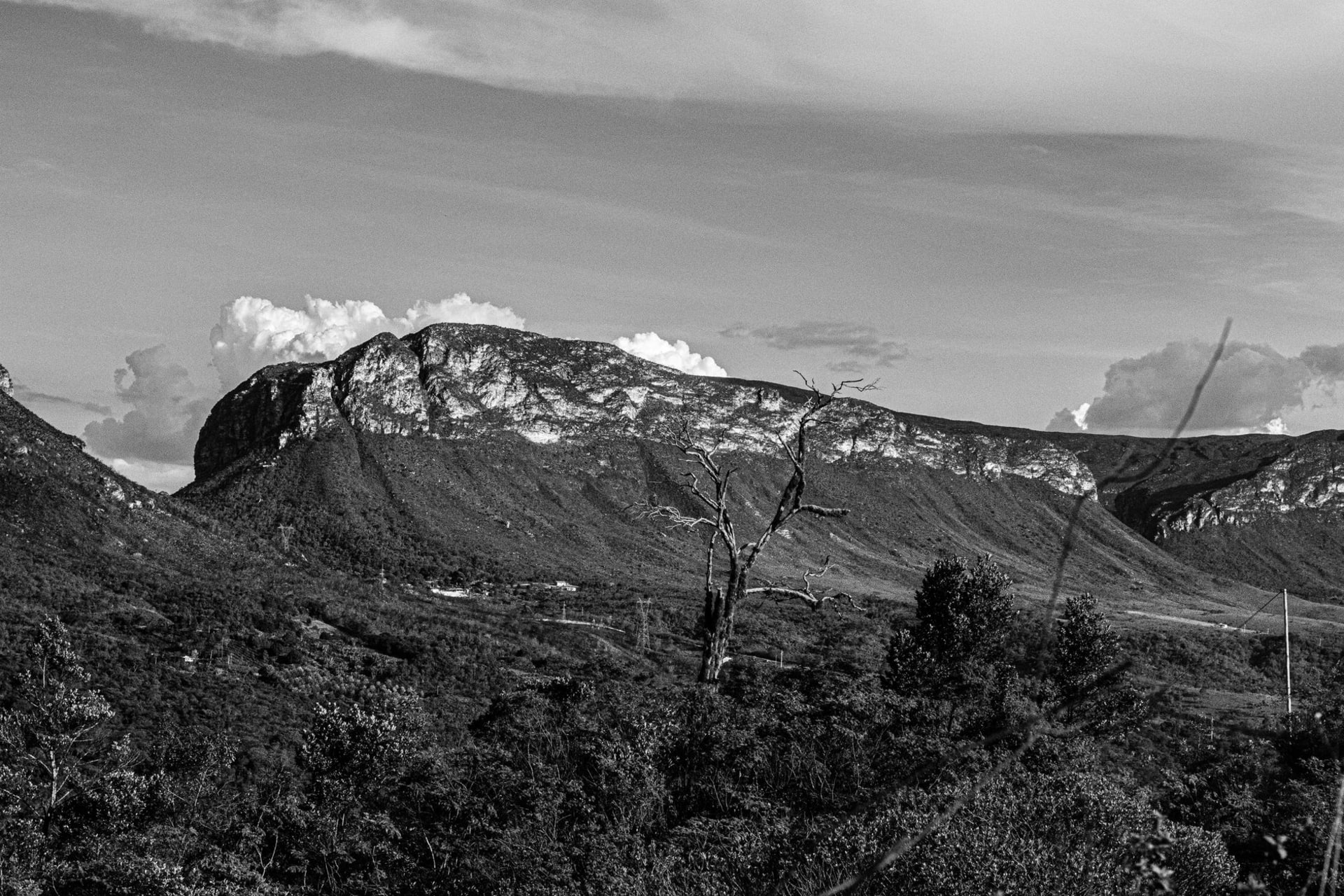
Gruta do Lapão
"Inside a sandstone mountain, your voice doesn't echo — it just disappears into the stone."
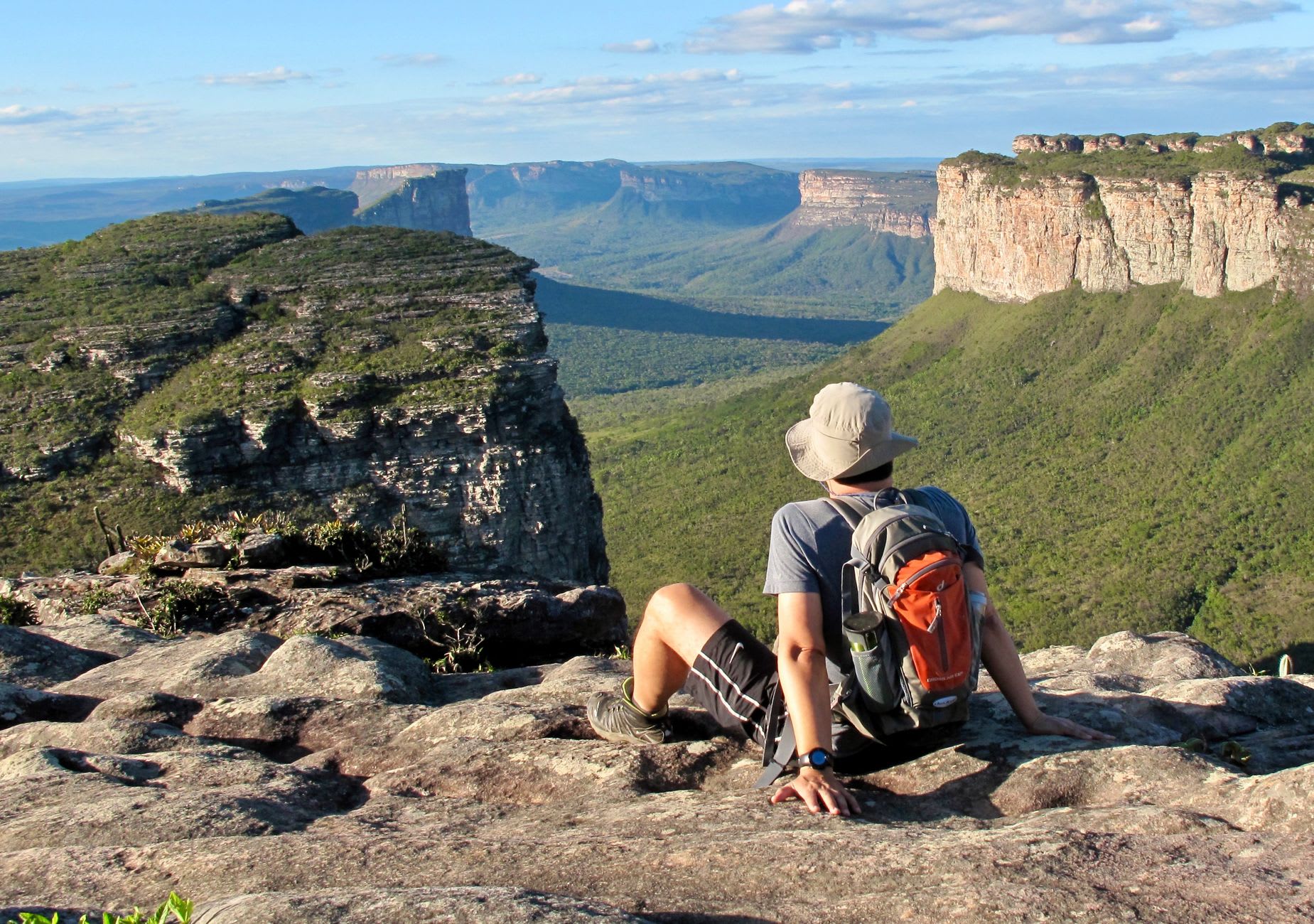
The trail from Lençóis to Gruta do Lapão takes about an hour through cerrado scrub, and it is pleasant without being spectacular — the kind of walk where you chat with your guide, point at birds, stop to look at a column of leaf-cutter ants working a trail of their own. And then you reach the cave entrance, and the word “entrance” feels immediately inadequate. It is more like a wound in the hillside: a gash in the orange sandstone thirty metres wide and perhaps twenty metres high, the interior a corridor of absolute darkness beyond the daylight zone, the scale so much larger than expected that the first instinct is to recalibrate your assumptions about the mountain you’ve been looking at for the past half hour.
Gruta do Lapão is the largest sandstone cave in South America, and possibly the world. The numbers are impressive — roughly one kilometre of passage, chambers reaching twenty-five metres in height — but numbers don’t quite convey the particular quality of the interior. The walls are sandstone, not limestone, which means no stalactites, no stalagmites, none of the dripping, crystalline architecture you associate with caves. What you get instead is smooth, clean walls of orange and rust and cream-coloured rock, carved by groundwater into curves and channels and hollows, with a quality of surface that looks almost worked — almost deliberate — as if a sculptor had spent centuries on the interior and then left without signing it.
You walk with headlamps. The guide keeps the group together in the deeper sections where the darkness is total — not dark the way a room is dark when you turn the light off, but the categorical dark of underground, where no photon has reached from above in geological time. I turned my headlamp off for thirty seconds in the deepest chamber and experienced nothing whatsoever — no form, no shadow, no gradient of dark-to-darker. Just the sound of water dripping somewhere distant, and my own breathing, and then I turned the light back on more quickly than I’d expected to.
The cave is home to a colony of morcegos — bats — concentrated in one of the higher chambers. You hear them before you see them: a rustling, organic sound somewhere above the beam of your headlamp, and then the guide points upward and you see thousands of them roosting in the crevices of the ceiling, folded into the rock. They pay no attention to the visitors below. On some evenings, apparently, you can watch them exit the cave in a column at dusk — a dark river of fifty thousand animals streaming out of the entrance for several minutes straight. I was not there at the right time, but the guide described it the way people describe things they have watched a hundred times and still cannot quite believe.

The exit from the cave is a second surprise: rather than retracing the entrance, the trail loops out through a different passage that emerges on the hillside some distance from where you entered. You come out blinking into the cerrado light, the temperature change immediate and significant, your eyes needing a minute to believe in the brightness.
When to go: Year-round, but note that in the wet season (November through March) the cave floor can flood and access may be closed. The cave is cool year-round — bring a light layer even in Bahian summer. The bat exodus at dusk is best observed from late dry season (August through October); ask your guide to time the visit for late afternoon if you want a chance at it.