Guernsey
"Guernsey felt like a place that keeps its stories in drawers, and hands you one at a time."
A green, granite island of exiled writers and wartime bunkers, where a monk's mosaic chapel sits quietly above St Peter Port.
Lia and I arrived in Guernsey not entirely sure what to expect — I think I’d filed it away mentally as “smaller Jersey,” which, I quickly learned, is exactly the kind of comparison locals here don’t love. Guernsey is its own Crown Dependency, its own government, its own accent even, and St Peter Port announced itself as we came down the hill toward the harbor: tiers of pastel houses stacked above the water, fishing boats knocking gently against the quay. We’d booked a small guesthouse two streets up from the marina, and I remember standing on the balcony that first evening with a cup of tea gone cold in my hand, just watching the light change over the Channel.
The reason I’d wanted to come, if I’m honest, was Victor Hugo. I’d read Les Misérables in school like every French kid, and I didn’t fully register until researching this trip that Hugo wrote much of it right here, in exile, between 1855 and 1870. Hauteville House, his home, is preserved almost exactly as he left it, and walking through it was strange in a way I didn’t anticipate — dark, ornate rooms he decorated himself, a rooftop glass lookout where he wrote standing up, facing France, which he couldn’t set foot in but could apparently still see on a clear day. Lia had to nudge me out of the gift shop; I’d been standing in front of his writing desk for what she says was closer to fifteen minutes than five.
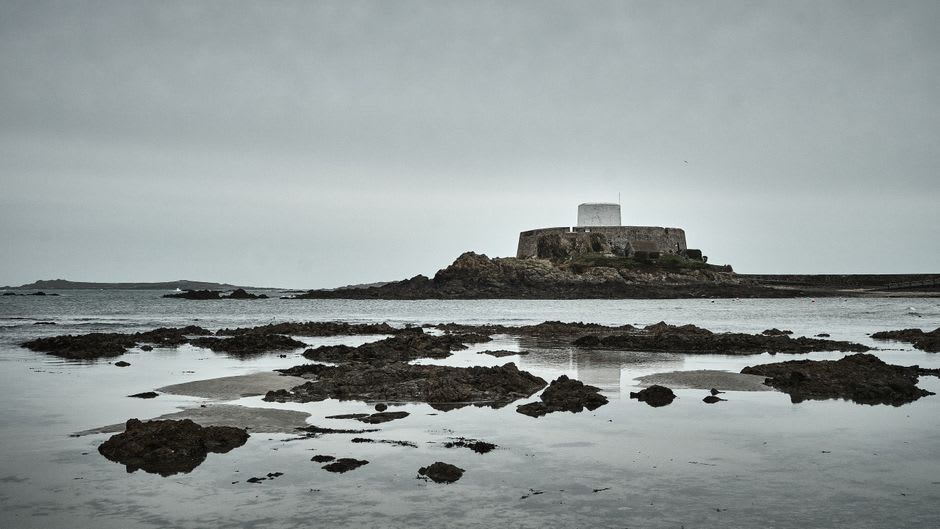
We spent an afternoon at the German Occupation Museum, which sits in complete tonal contrast to Hugo’s rooftop study — Guernsey was occupied by German forces from 1940 to 1945, and the museum doesn’t soften that. Ration books, propaganda posters, photographs of islanders queuing for food. Afterward we drove out to see some of the surviving bunkers along the coast, concrete and grass-grown now, staring out at the same water Hugo once looked at from the opposite direction. It’s a strange island for that — layers of history that don’t quite talk to each other, occupying the same few square miles.
What I didn’t expect to love as much as I did was the Little Chapel, tucked into a garden inland, built and rebuilt by a local monk starting in 1914 and covered, every surface, in broken china and pebbles. It’s tiny — genuinely one of the smallest chapels in the world, by most tellings — and there’s something almost obsessive and tender about it, like someone’s private devotion made visible in shards of teacups. Lia took about thirty photos of the mosaic detail alone. We sat on the bench outside afterward and ate a bar of chocolate we’d bought that morning in St Peter Port, not saying much, which is usually how I know a place has actually gotten to me.
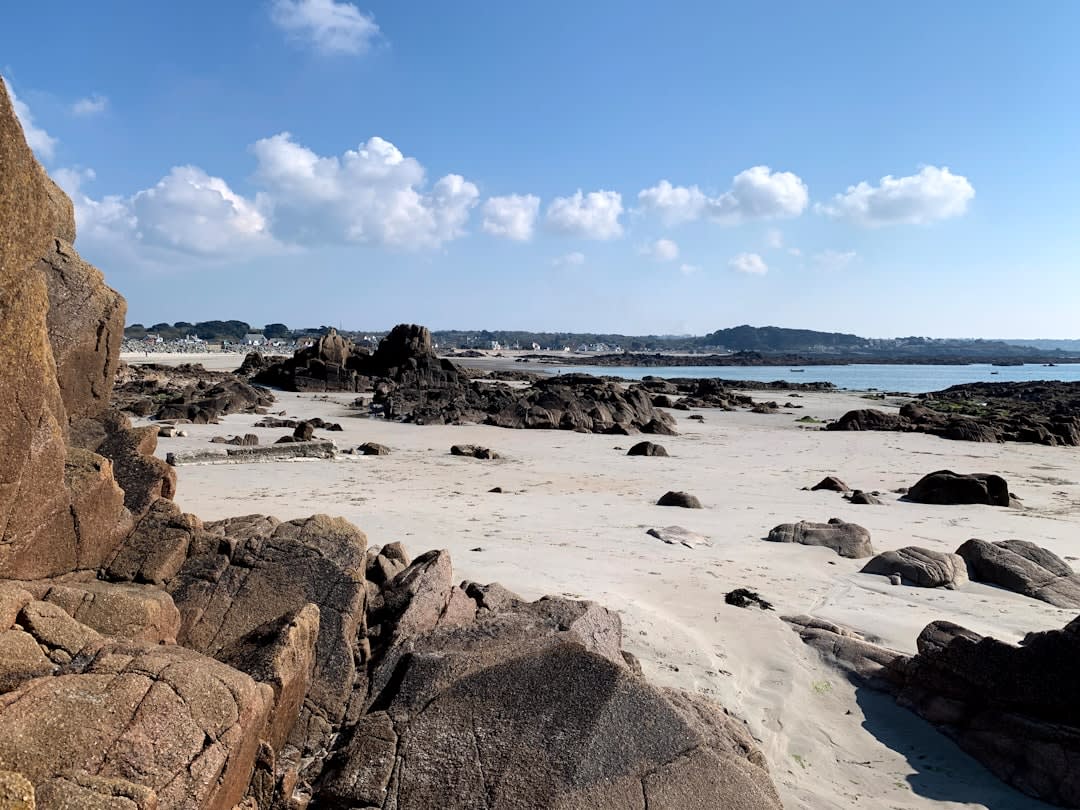
When to go: May to September gave us the warmest, driest weather and every attraction — Hauteville House included — fully open, though I’d happily go back in a quieter, greyer month just to have St Peter Port more to ourselves.
Keep exploring
More from Channel Islands
 channel-islands
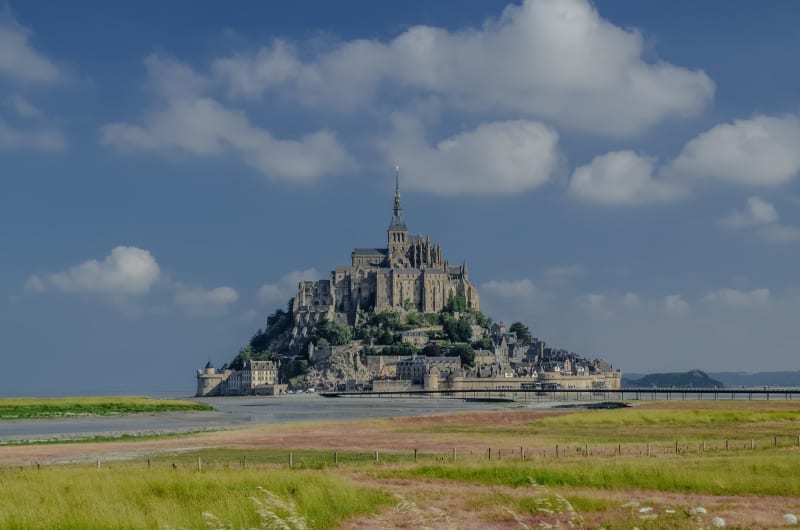
 Herm
A car-free island of one hotel, one pub, one farm, and a beach made almost entirely of shells.
Explore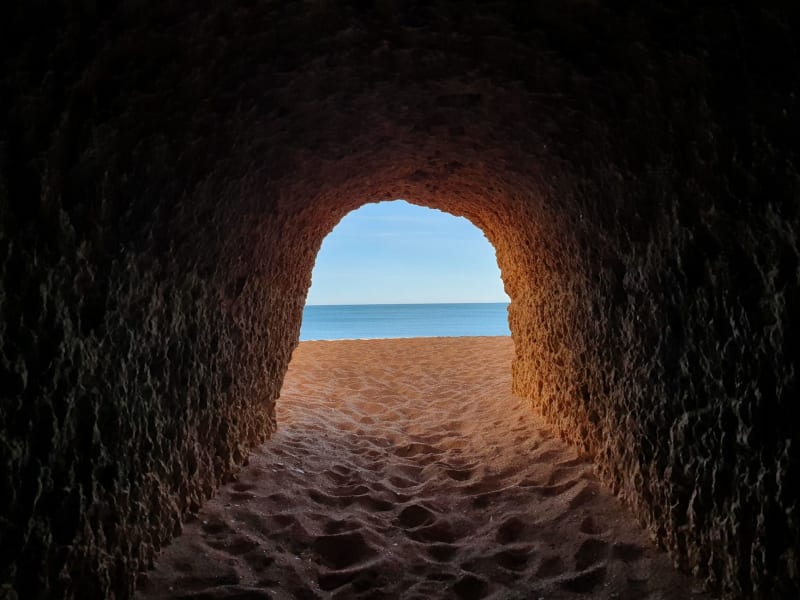 channel-islands
 Jersey War Tunnels
The most complete underground monument to the Channel Islands' five-year occupation — and the humans behind the concrete.
Explore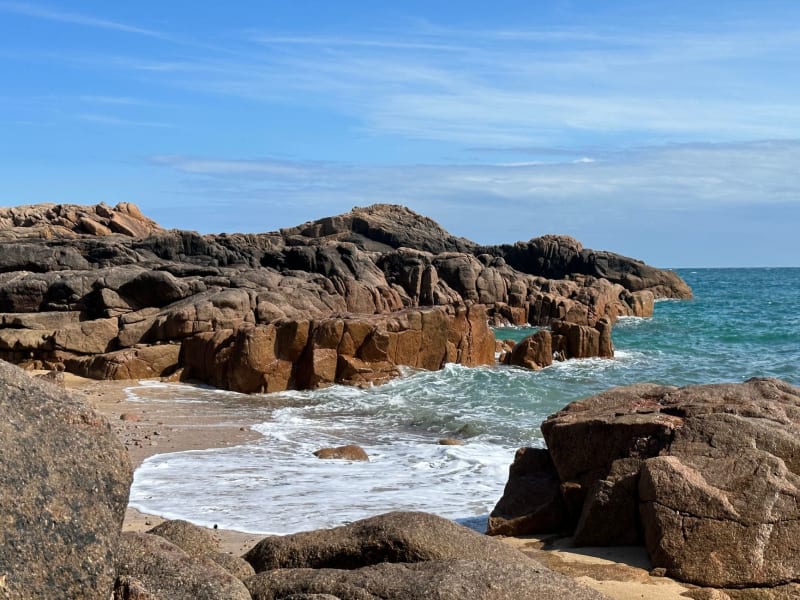 channel-islands
 La Corbière
Jersey's southwestern tip — a lighthouse on a tidal islet, WWII bunkers in the gorse, and sunsets that are not subtle.
Explore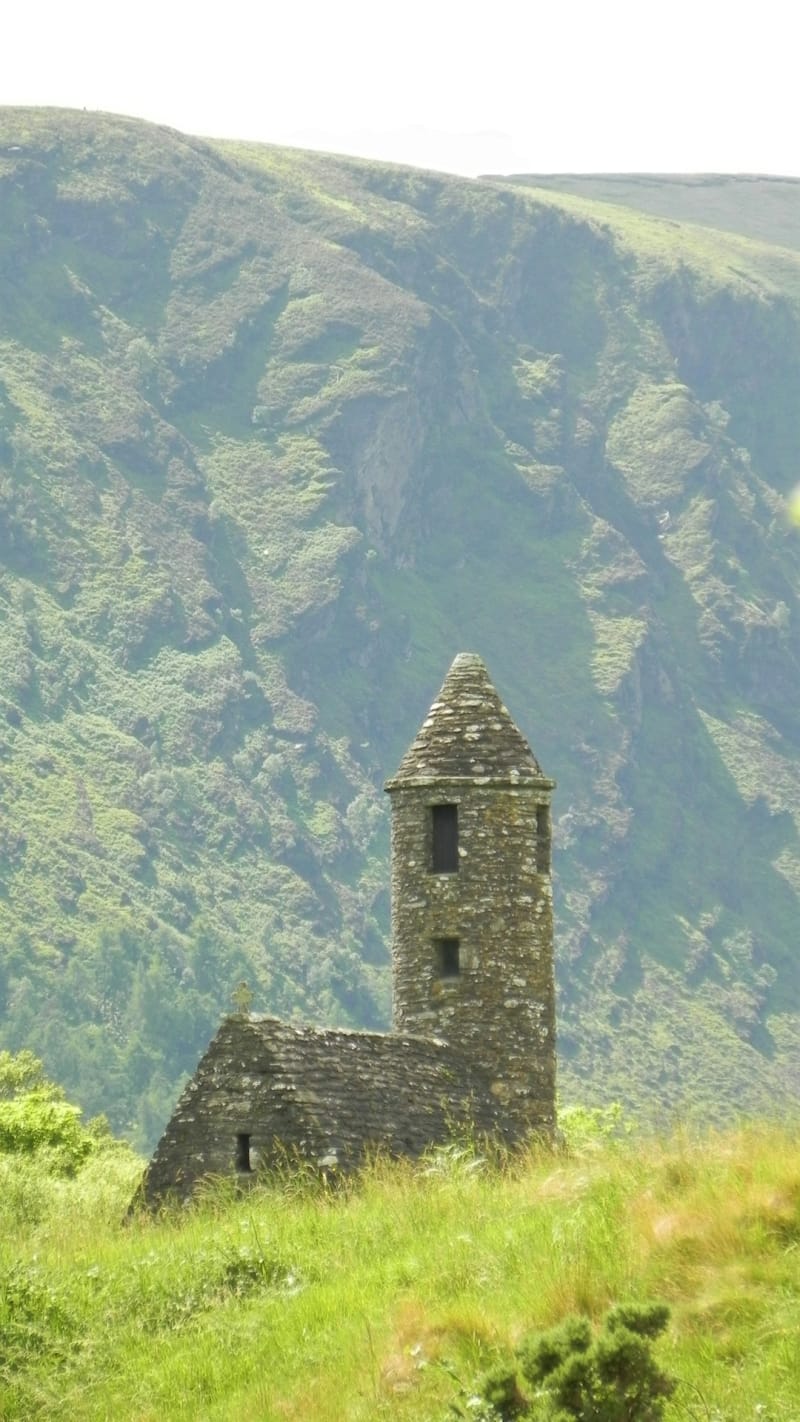 channel-islands
 La Hougue Bie
A 6,000-year-old passage tomb in Jersey where a shaft of equinox light still finds its way to the ancient chamber floor.
Explore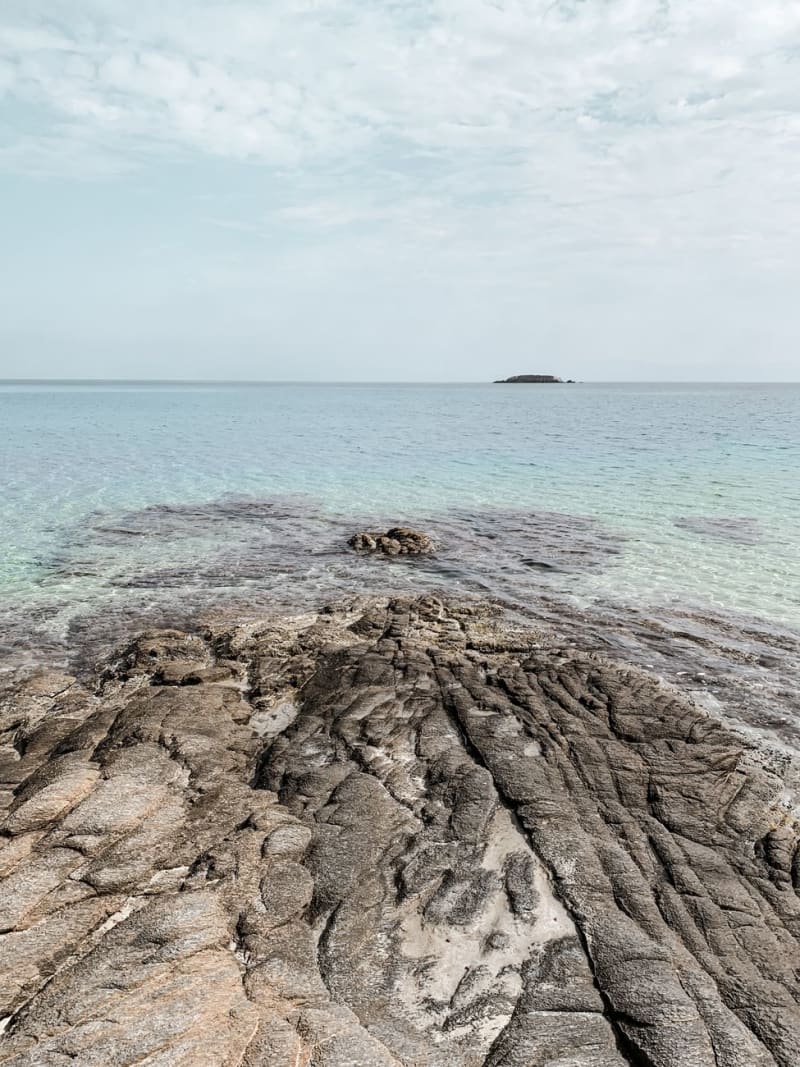 channel-islands
 Lihou
A tiny tidal island off Guernsey's wild west coast, reachable on foot across an ancient cobbled causeway only when the sea allows it.
Explore channel-islands
 Mont Orgueil
A medieval castle above a fishing harbour that refuses to be merely picturesque.
Explore