
Jersey War Tunnels
"The tunnels smell of cold stone and something else — something that takes a moment to identify as history's actual weight."
The most complete underground monument to the Channel Islands' five-year occupation — and the humans behind the concrete.

The entrance to the Jersey War Tunnels is unremarkable — a car park in the countryside near St. Lawrence, a low granite building, a path into the hillside. The tunnels themselves begin immediately: cut through the granite by forced laborers between 1941 and 1944, the Organisation Todt drafting thousands of workers from occupied Russia, Poland, France, and North Africa to excavate what was intended to become an underground artillery barracks large enough to hold a garrison of several hundred men. The walls still carry the marks of the drilling, and the floor is uneven in ways that suggest the original earth rather than the prepared surface of a museum. The air inside is cold regardless of what season you arrive in, and carries a faint mineral smell — granite dust and dampness and something that I kept trying to identify before accepting it was simply the past compressed into physical space.
The exhibition inside uses the occupation story to explore broader themes: collaboration and resistance, the legal grey area of civil administration under military occupation, the personal experience of a civilian population cut off from Britain and governed by an authority that had conquered them. The Channel Islands were the only part of the British Crown to be occupied by Germany, and the narrative that emerged from the islands after liberation — one of dignified endurance, minimal collaboration — has been revised substantially by historians over the past thirty years. The tunnels do not shy from this complexity.

The section dealing with the slave laborers is the most sobering. The workers — Organisation Todt’s forced and conscripted labor force — lived in camps across the island in conditions that varied from brutal to lethal. Jersey’s rock is extremely hard granite, and the excavation work was carried out by hand and with rudimentary machinery; the death toll among workers on this tunnel complex alone runs to figures that the museum acknowledges without eliding. The personal testimonies recovered from survivor accounts and post-war depositions form the emotional core of this section, and they are given the space they deserve.

The final chamber, where the hospital was partially established before the Allied liberation made it redundant, has been left largely empty, and the emptiness functions better than any reconstruction would. You stand in a space that was cut at enormous human cost from solid rock for purposes that were never fulfilled, and the granite walls and vaulted ceiling acquire a kind of accidental dignity. I spent about ninety minutes in the complex and came out blinking into the Jersey afternoon sun feeling, as I always feel in places that take their subject seriously, grateful for the seriousness.
When to go: Open year-round except for major holidays. Allow at least ninety minutes. Bring a jacket regardless of the season — the tunnels maintain a constant cool temperature that the Jersey summer above ground does nothing to warm.
Keep exploring
More from Channel Islands
 channel-islands
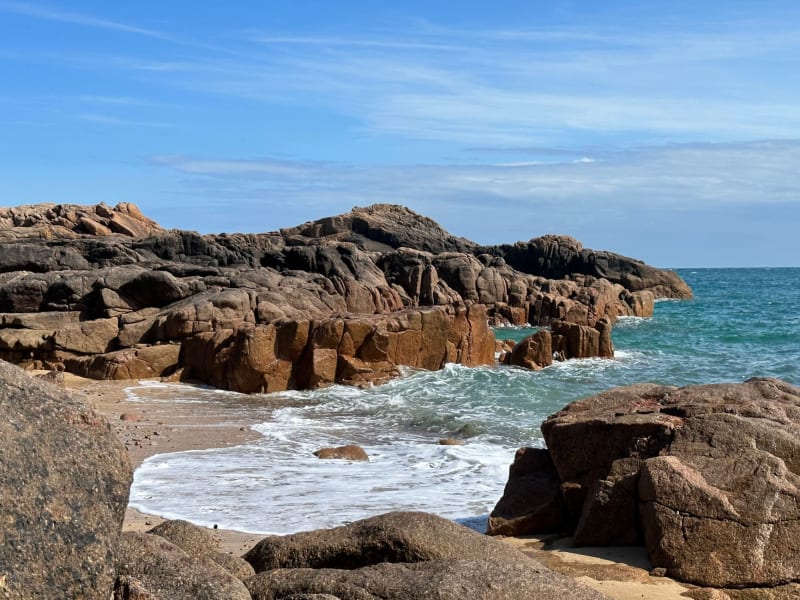
La Corbière
Jersey's southwestern tip — a lighthouse on a tidal islet, WWII bunkers in the gorse, and sunsets that are not subtle.
Explore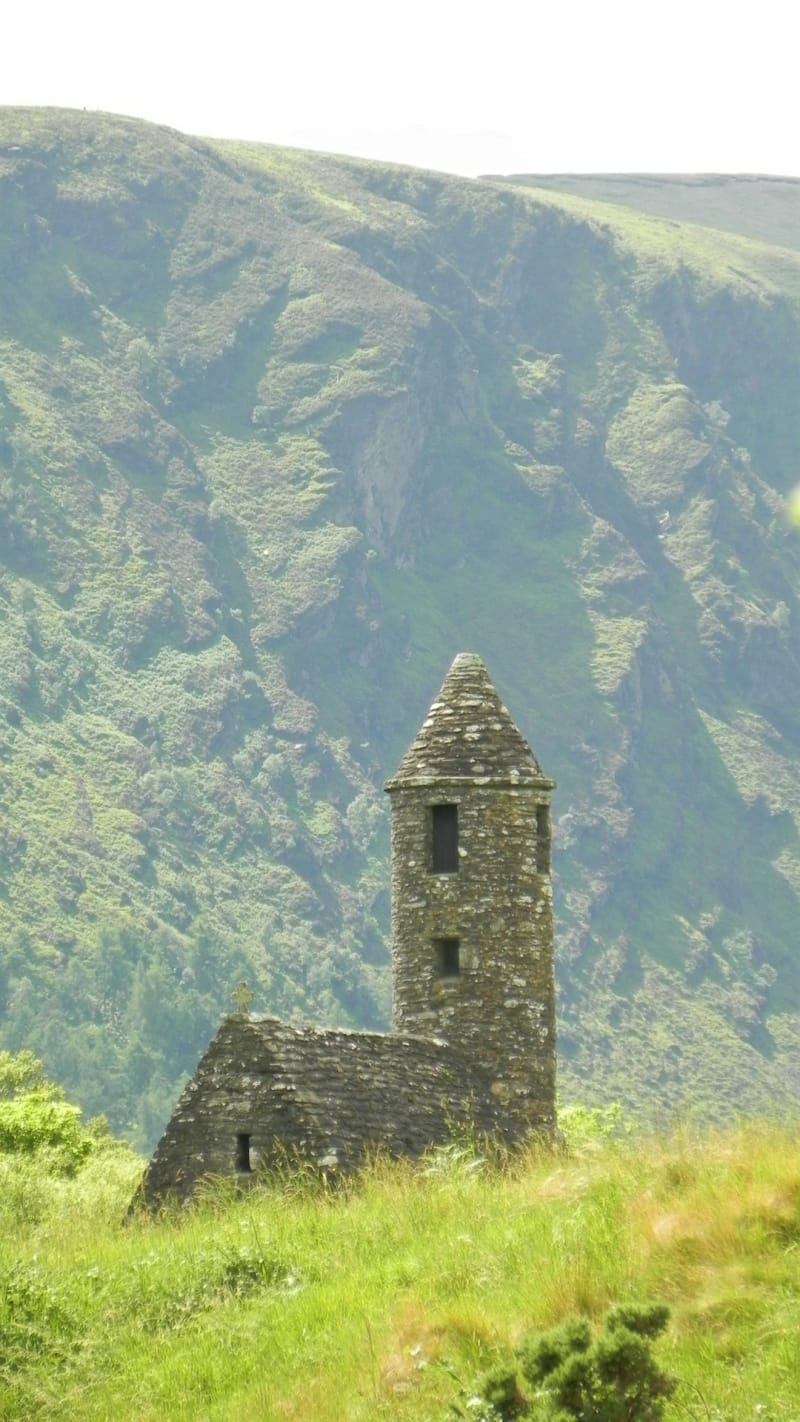 channel-islands
La Hougue Bie
A 6,000-year-old passage tomb in Jersey where a shaft of equinox light still finds its way to the ancient chamber floor.
Explore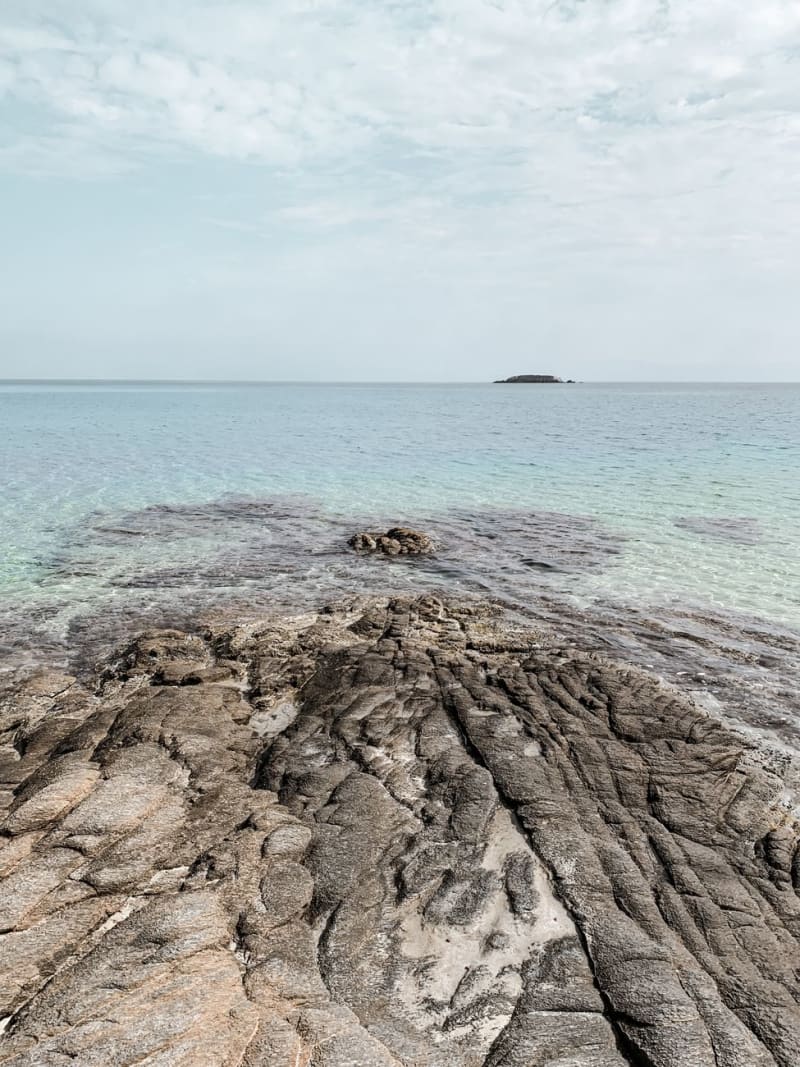 channel-islands
Lihou
A tiny tidal island off Guernsey's wild west coast, reachable on foot across an ancient cobbled causeway only when the sea allows it.
Explore channel-islands
Mont Orgueil
A medieval castle above a fishing harbour that refuses to be merely picturesque.
Explore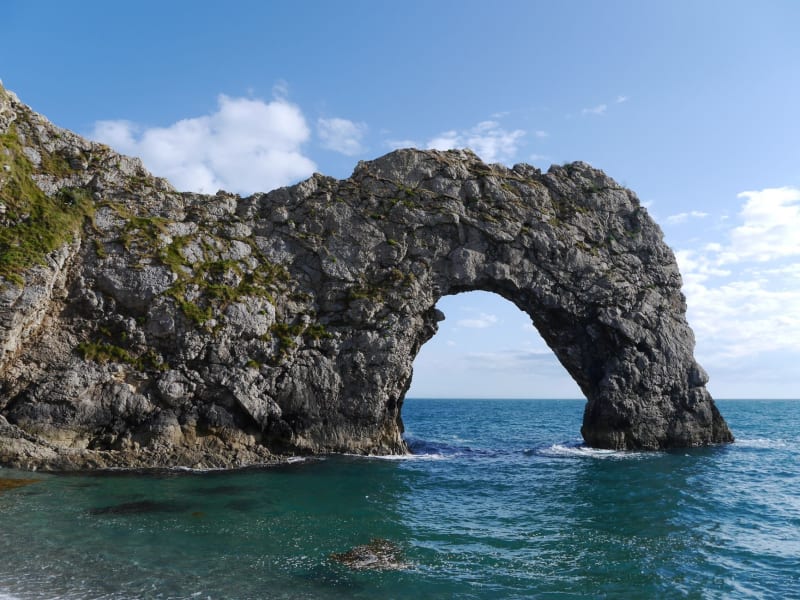 channel-islands
Sark
A car-free feudal island where the night sky still belongs to the dark, and nine centuries feel genuinely close.
Explore channel-islands
St. Brelade's Bay
Jersey's most sheltered beach — a perfect crescent of pale sand, a Norman chapel, and a calm that earns its reputation.
Explore