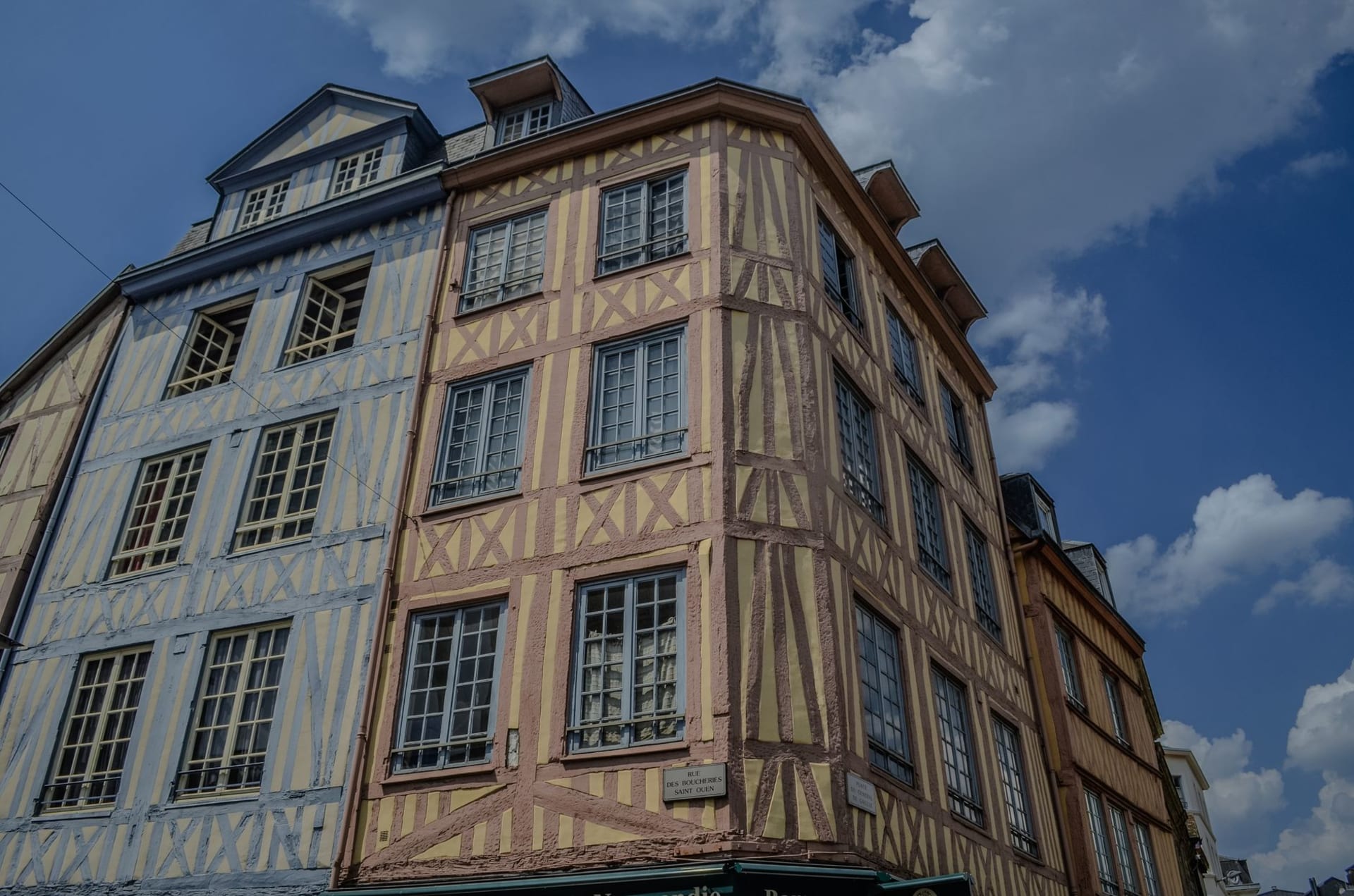
Troyes
"Troyes survived the centuries by being overlooked. Now it stands there looking like the best-preserved medieval city in France because it is."
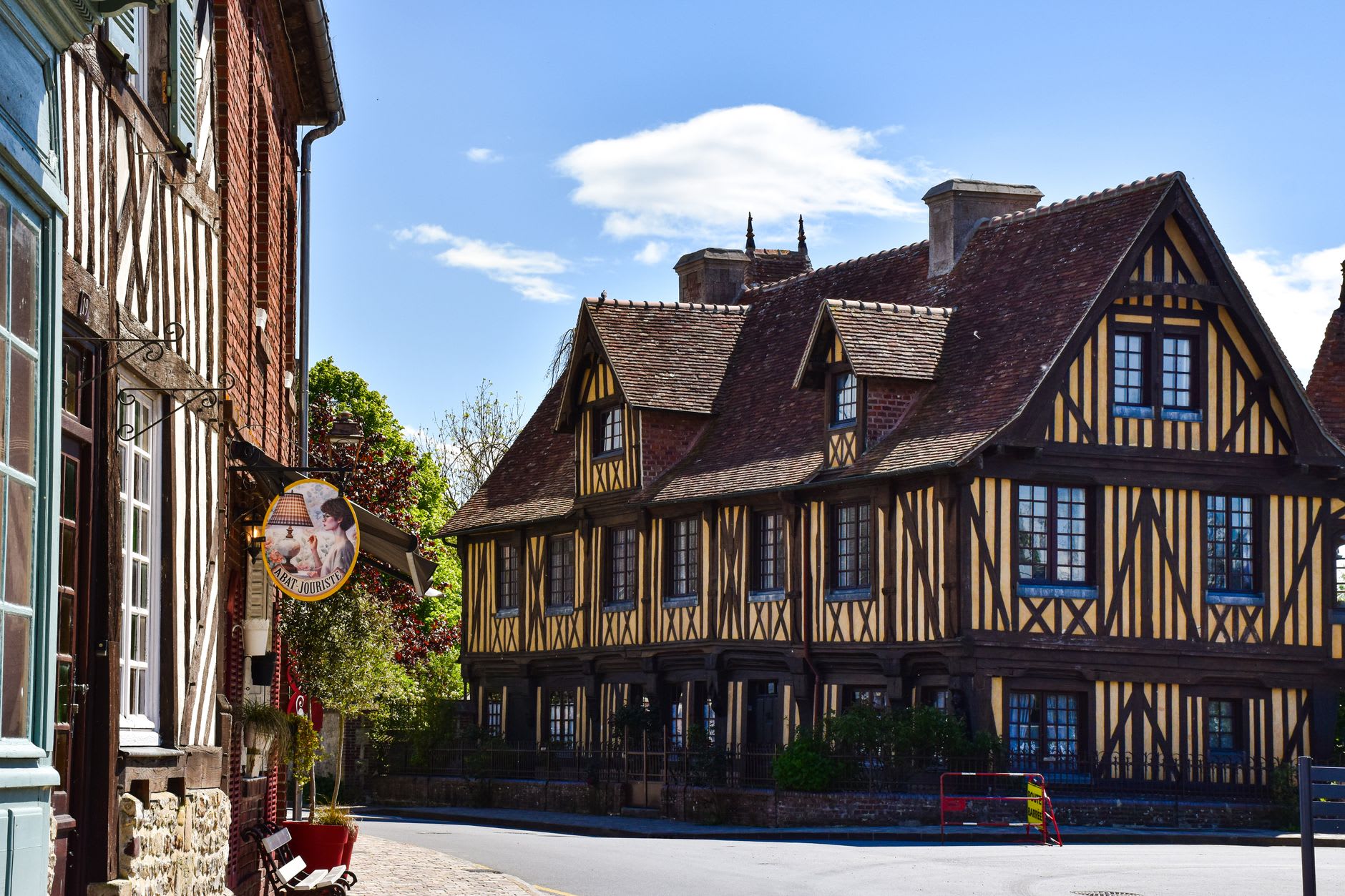
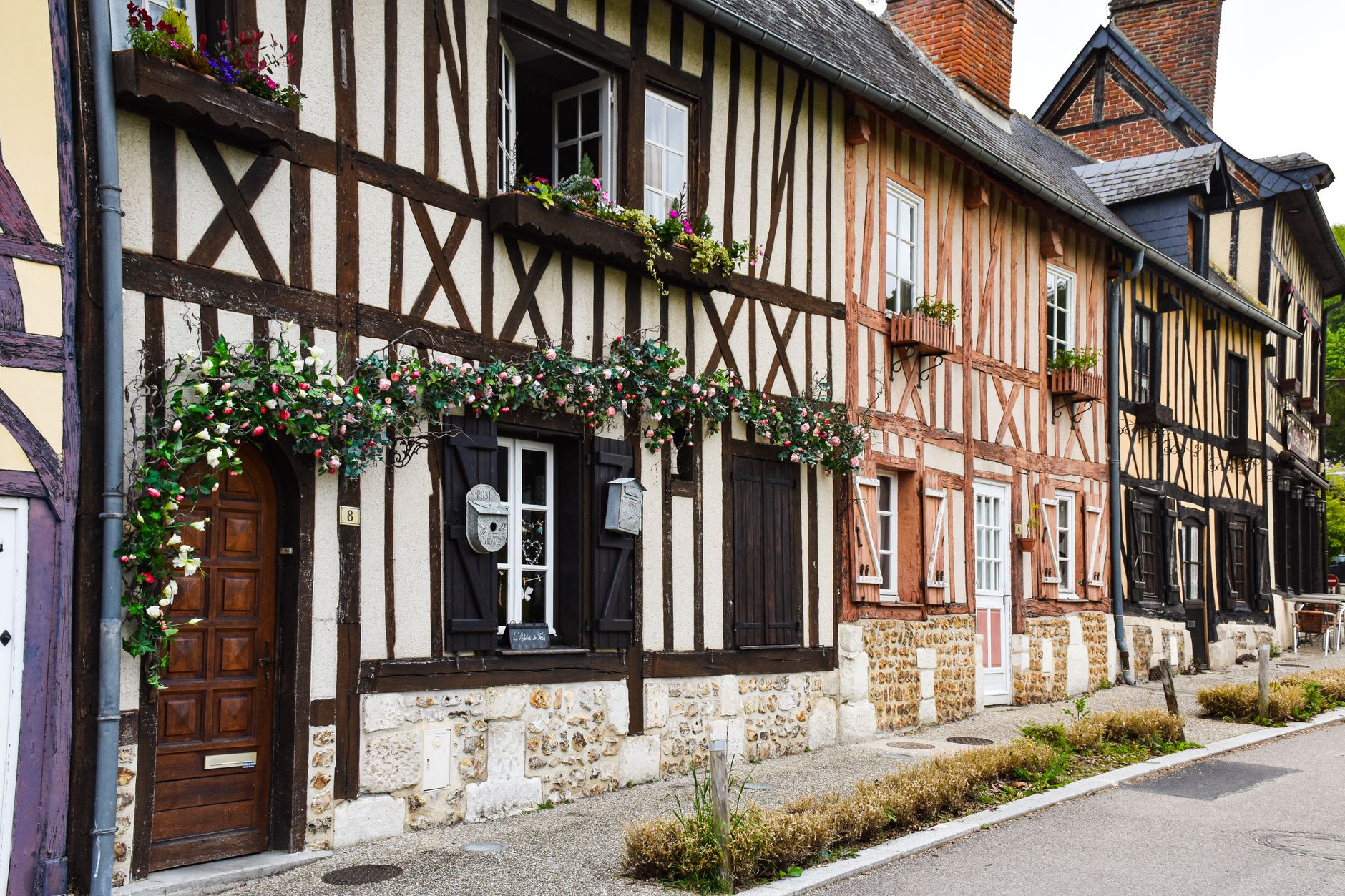
I arrived in Troyes expecting a wine town and found a medieval city that had somehow stayed intact while everything around it got flattened, rebuilt, and modernized. The old center is shaped, according to the tourist literature, like a Champagne cork — a narrow oval of half-timbered streets that survived the destruction of the religious wars, the Revolution, and two world wars through a combination of poverty, indifference, and sheer structural luck. Standing in the ruelle des Chats — a lane so narrow that the upper floors of the buildings on either side nearly touch overhead — I felt the particular vertigo of a city that has forgotten to update itself, and felt grateful for it.
The churches in Troyes contain some of the finest medieval stained glass in France — a fact that seems to be known mainly to specialists and school groups, which means that the Cathedral of Saint-Pierre-et-Saint-Paul and the Basilica of Saint-Urbain are regularly available to visit at a pace that involves sitting down and looking carefully, which is the only correct pace for stained glass. The nave of the cathedral is a floating grid of windows, every surface that isn’t structural devoted to colored light — deep blues and crimsons in the older bays, acid greens and yellows in the Renaissance sections, the whole thing changing completely as the sun moves. I spent two hours in there on a grey morning and still felt I’d rushed it.
Troyes is also, it must be said, the origin of the trousseau trade and the troyes weight system — it was a major commercial fair city in the medieval period, the “Champagne fairs” drawing merchants from across Europe. The textile tradition persists today in the form of dozens of factory outlet stores on the ring road, which creates the mild cognitive dissonance of a city that is simultaneously one of the most perfectly preserved medieval environments in France and also the outlet shopping capital of the country. I found this more charming than strange.
The food is the reason to stay an extra night. Andouillette de Troyes is the city’s great culinary contribution to the world: a sausage of coarsely cut pork intestine, intensely flavored, demanding, and entirely uninterested in polite company. The authentic version — the one certified by the Association Amicale des Amateurs d’Andouillette Authentique, known by its memorable acronym AAAAA — is served grilled with a mustard sauce in every serious restaurant in town, and it is emphatically not for everyone. I liked it very much. The chaource cheese from the nearby Aube plateau is softer and more forgiving — a creamy, slightly tart disc that softens to running at room temperature — and I ate an entire one over two days without a trace of remorse.
When to go: Troyes has nothing to do with harvest season and is therefore excellent in the shoulder months when the rest of Champagne is either frantic or closed. April and May, when the light in those stained-glass windows is good and the terraces are just opening, is ideal. December brings a Christmas market in the medieval streets that is genuinely lovely without being aggressively touristy.