Europe
Champagne Region
"Down in those chalk caves beneath Épernay, time actually stops."
I arrived in Reims on a grey October morning with a train ticket, a rucksack, and the vague plan of spending a week drinking sparkling wine and calling it work. The city hit me first — the Gothic facade of the cathedral still blackened in places from the First World War, the whole street smelling faintly of must and cold stone. I’d expected a bucolic wine country escape. Instead I got a place that carries its history the way a good Champagne carries its yeast: invisibly, until you stop and pay attention.
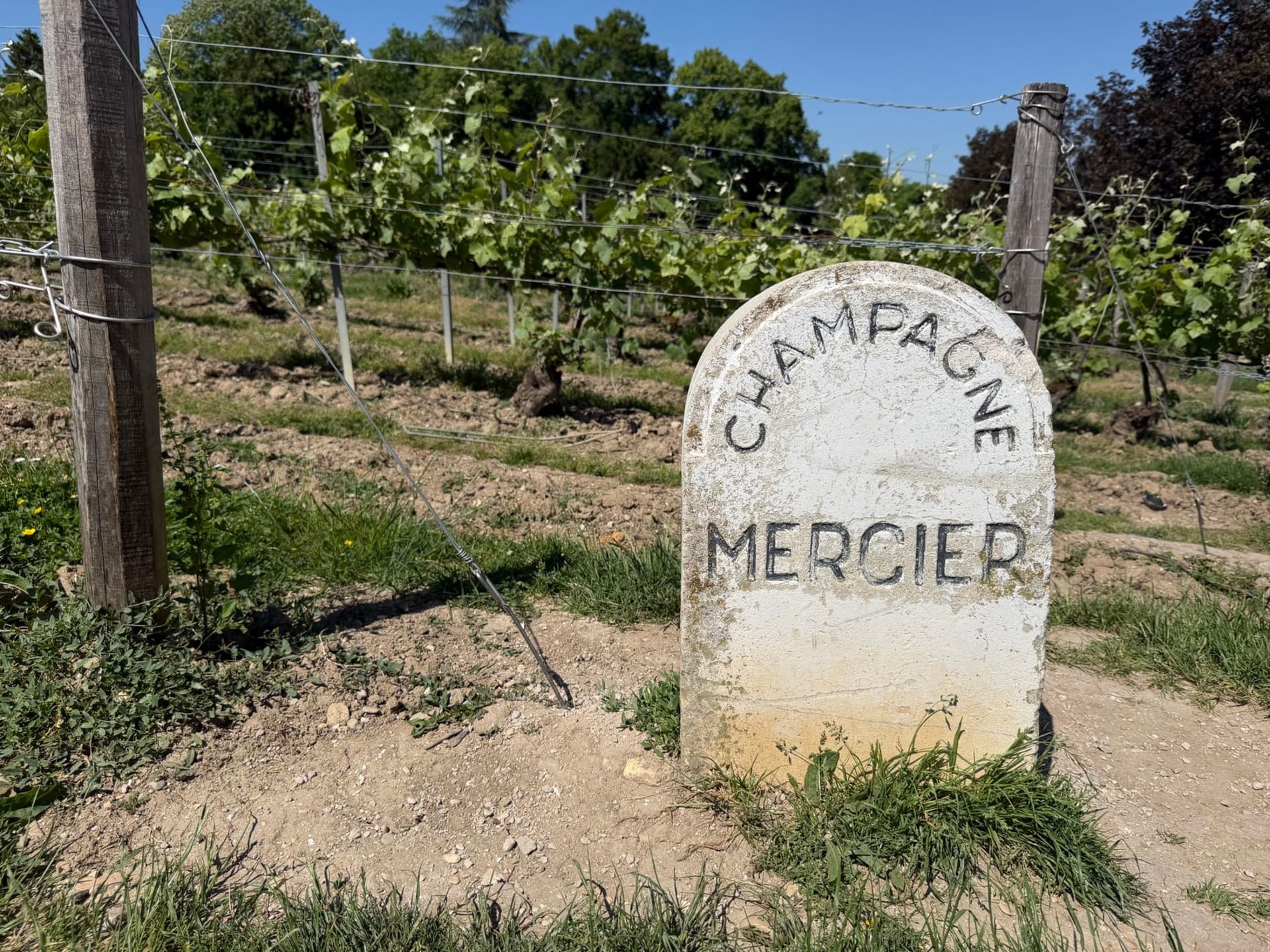
The Route Touristique de Champagne threads south from Reims through the Montagne de Reims toward Épernay, and I drove it slowly, pulling over every ten minutes. The vine rows here are planted on chalk — bright white subsoil that reflects heat upward and drains cold air down the slope, which is exactly why the grapes ripen at all this far north. At the Champagne Mercier house in Épernay, I descended seventeen kilometers of underground galleries carved by hand into that chalk starting in 1871, a labyrinth lit like a cathedral and cool enough that my breath fogged. The bottles are stacked in riddling racks at 45-degree angles, each one turned by hand a quarter-turn every day for six weeks to coax the sediment toward the neck. The patient absurdity of it made me laugh. Down there, global logistics and overnight shipping feel like someone else’s problem.
Lunch in Hautvillers — the village where Dom Pérignon supposedly first blended grapes from different terroirs to create a consistent cuvée — was a plate of andouillette sausage at a table with three retired vignerons who spoke no English and humored my French admirably. The local Blanc de Blancs I had with it was all chalk and green apple, nothing like the toasty commercial stuff. Épernay’s Avenue de Champagne at dusk, when the limestone houses go amber and every cellar door is shut for the night, is one of those streets in Europe that makes you feel vaguely unworthy of how beautiful it is.
When to go: Late September through mid-October for harvest (vendanges) — the villages are alive, the vignerons are outside, and you can sometimes volunteer to pick. May and June offer long light and empty roads. Avoid August when the region runs on tourism autopilot.
What most guides get wrong: They treat Champagne as a daytrip from Paris. It isn’t. The region is a slow place built for slow attention — the geology, the riddling, the blending philosophy of marrying years together. You need at least four days, a car, and the willingness to stop at a small récoltant-manipulant (estate grower) instead of just the famous houses. The grower Champagnes are where the real character lives.