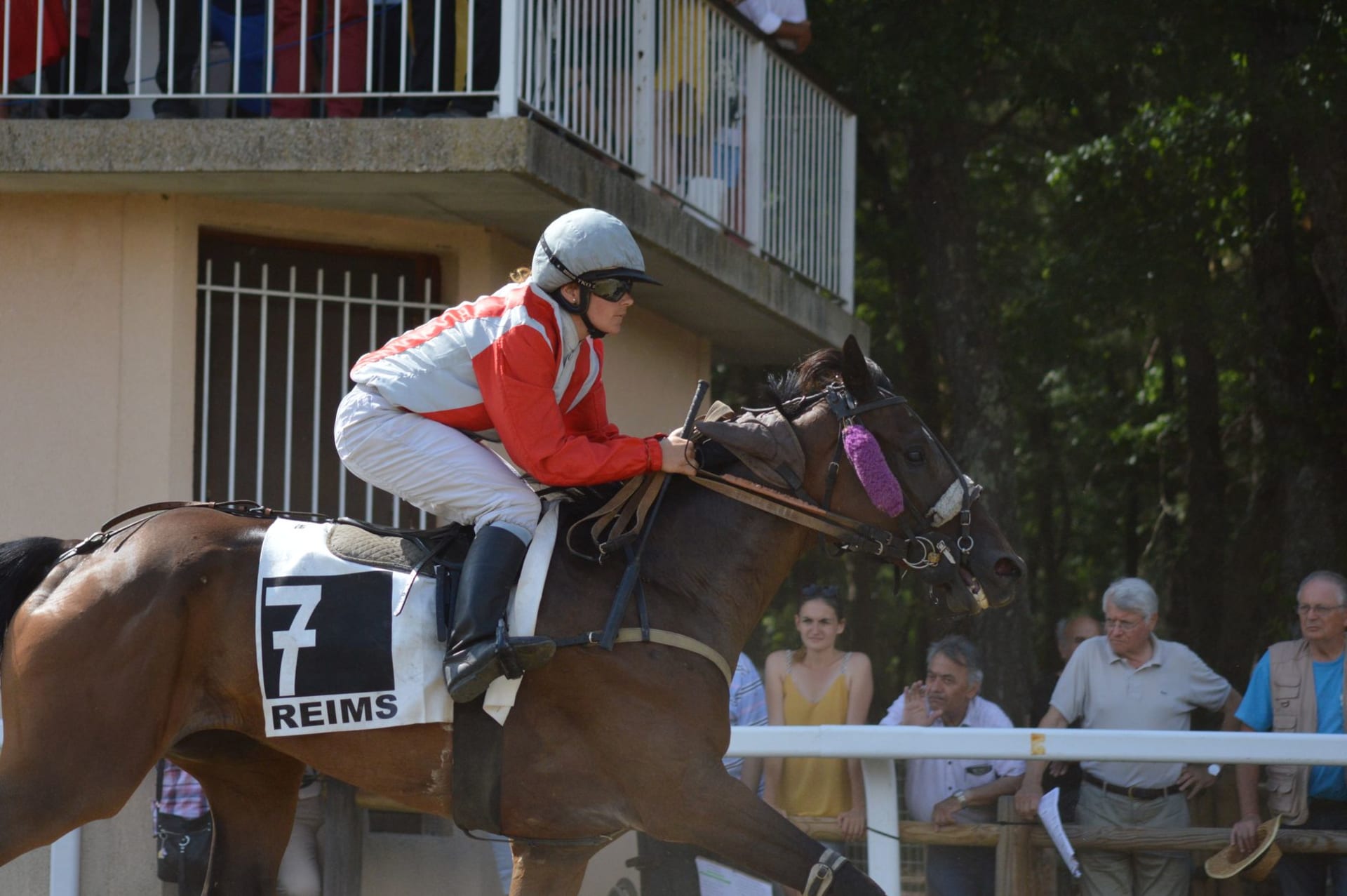
Reims
"The cathedral carries its war damage the way a face carries a scar — it becomes the whole character."
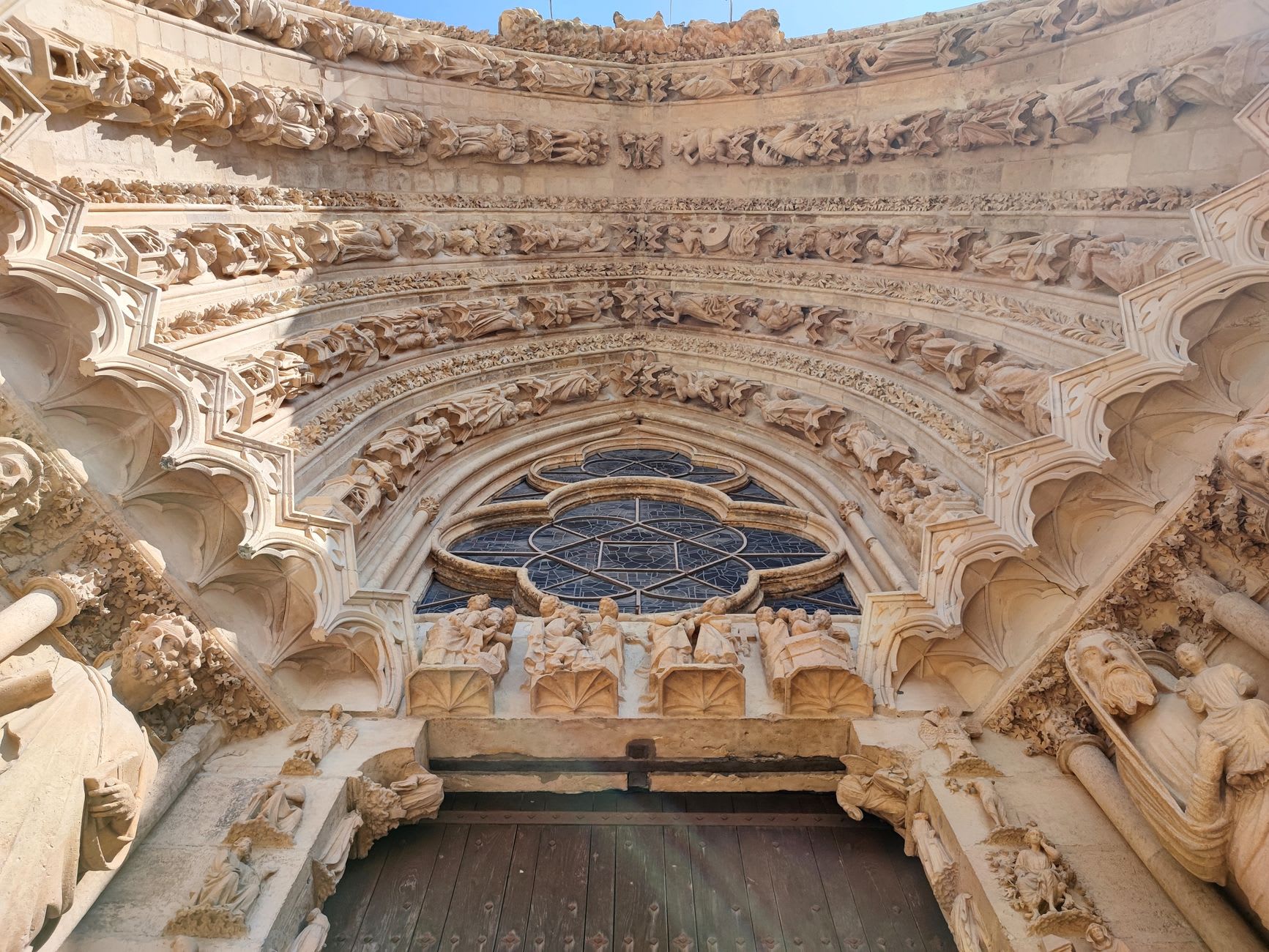
I arrived on a grey October morning when the cathedral was still wet from overnight rain, its limestone facade darkened to the color of old pewter. I’d seen photographs. I thought I knew what to expect. What the photographs don’t convey is the scale of the front portal, the way the carved saints and angels stack up six stories above you while you stand there with your neck craned back, feeling pleasantly insignificant. What they also don’t show is the blackening — the patches of stone still stained from the German bombardment of 1914, when the cathedral burned for eleven hours with a thousand wounded French soldiers inside it. Reims has been coronating French kings since Clovis in 496 AD, and it has been burning and rebuilding itself with stubborn regularity ever since.
The Chagall windows in the apse are a jarring, wonderful shock after all that medieval gravitas — electric blues and crimsons installed in 1974, depicting the Tree of Jesse and scenes from the Old Testament in a style that has no business being in a twelfth-century cathedral and yet somehow belongs completely. I sat on a wooden pew and stared at them for twenty minutes while a school group shuffled past. The windows made me feel the way very good Champagne makes me feel: surprised by lightness, aware that something technically complicated has been resolved into something that seems effortless.
Outside, the city has a certain quiet confidence. The boulevards are wide and tree-lined, the cafés do a brisk trade in biscuits roses de Reims — those pale pink finger biscuits traditionally dunked in a glass of bubbly, which sounds precious until you try one and understand that the cookie’s airiness is precisely calibrated to the wine’s acidity. The covered market on rue du Temple sells chaource cheese so fresh it trembles when you carry it. The wine shops stock grower Champagnes you can’t find in Paris, bottles from single-plot récoltants in the Montagne de Reims who make maybe eight thousand bottles a year and don’t bother with export.

Beneath the city, though, is where Reims keeps its real life. The Champagne houses — Taittinger, Veuve Clicquot, Pommery, Ruinart — have carved their cellars into the same chalk that the Romans quarried for their city walls, the same bright white crayères that drop twenty meters below street level and maintain a constant ten degrees all year. At Taittinger the Roman quarry sections are immense cathedral-like chambers, vaulted and pale, the bottles stacked in mathematically precise rows that disappear into the dark. The guide told me that Reims’s crayères hold an estimated 200 million bottles at any given time. Standing in that cold chalk vault, I believed her.
When to go: May and June bring long light and the vineyards’ first bright green flush without the summer crowds. October is vendanges — the harvest — when the whole city smells faintly of grape must and the vignerons are in the fields at dawn. Avoid the August peak when the cathedral queues stretch around the block.