Mareuil-sur-Ay
"We only stopped in Mareuil-sur-Ay because we missed the turn for Ay, and it ended up being the better mistake of the whole day."
A grand-cru village along the Marne where historic champagne houses line quiet streets, overshadowed by its more famous neighbor Ay.

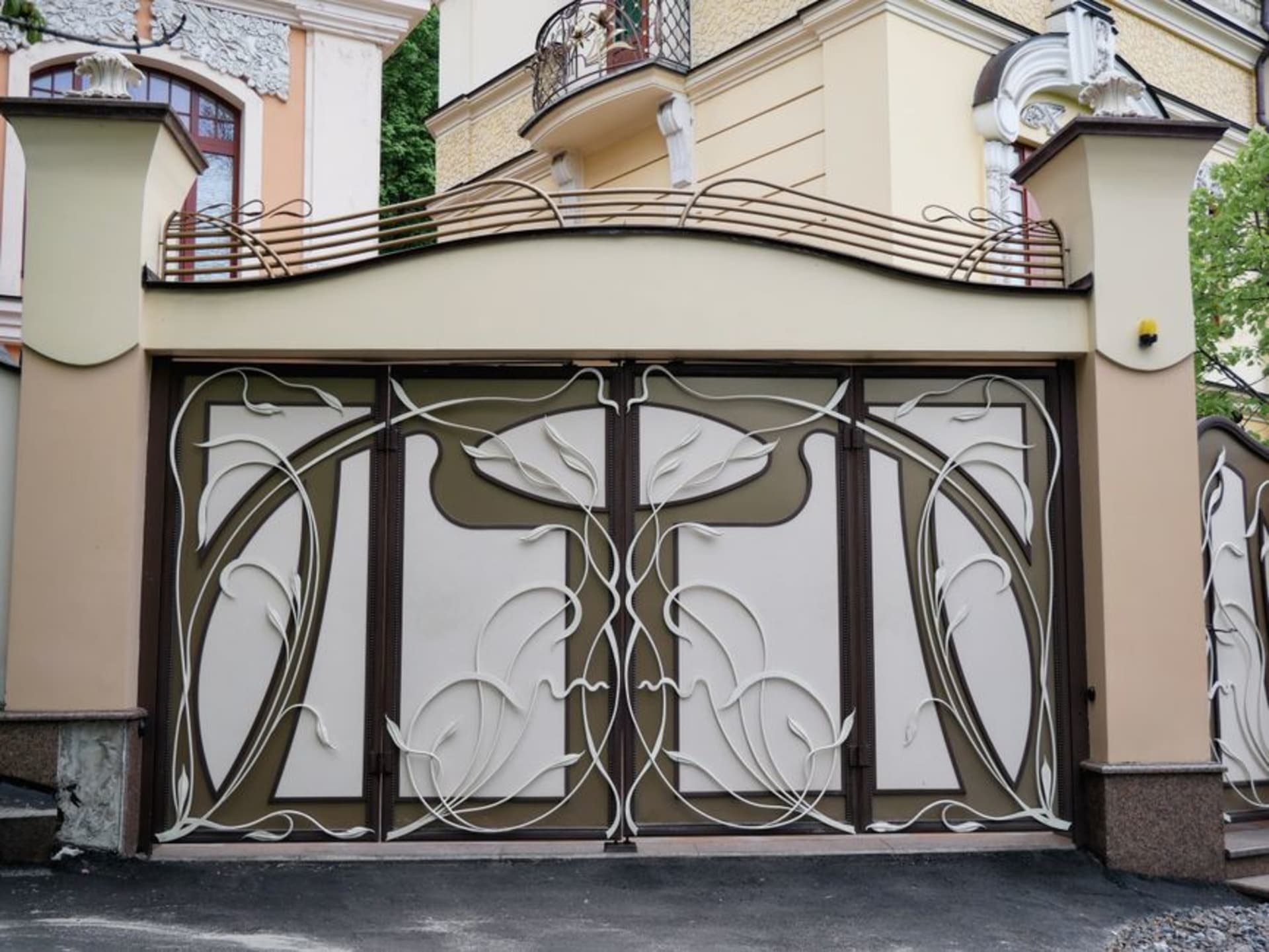
We got to Mareuil-sur-Ay by accident, honestly, having meant to stop in Ay itself and taken a wrong turn along the river road. I’m glad we did, because Ay gets all the attention as one of the grand-cru anchors of the Vallee de la Marne, while Mareuil-sur-Ay sits right next door, also grand cru, with none of the crowds. The village is small and strung along the river, a scatter of stately champagne house buildings — the kind with wrought-iron gates and a family name carved above the door — mixed in with ordinary houses and a boulangerie where we bought a baguette we ate leaning on the car.
What I liked was how unshowy it felt for a village with this pedigree. Grand cru is the top classification in Champagne, and Mareuil-sur-Ay has held it for decades, yet nobody was trying very hard to tell us that. We wandered into a smaller producer’s tasting room almost by chance, the kind of place with no sign out front beyond a discreet plaque, and the woman pouring for us talked more about her grandfather’s cellar than about scores or vintages. That’s the version of Champagne I keep chasing on these trips — less about the brand, more about the family that’s been doing this on the same few hectares for a century.

The river itself runs right along the edge of the village, and we walked a stretch of the towpath in the late afternoon, barges occasionally passing, the vine-covered slopes rising steeply on the far bank toward Ay and Dizy. It’s a very specific kind of beauty, this part of the Marne valley — not dramatic, but layered, water and vines and old stone houses stacked in bands up the hillside. Lia took more photos here than anywhere else that day, and I think it’s because the light off the river kept changing every few minutes.

We ended up buying two bottles from that small producer, more than we’d planned to spend, and I don’t regret it. One of them we drank a few weeks later back in Mexico City, on a balcony that could not have been further from the Marne valley, and it brought the whole afternoon back — river smell, wrought-iron gates, the baguette going stale in the car. That’s usually how I judge whether a stop on a wine trip actually mattered.
When to go: Late afternoon in early autumn, when the light off the river is at its best and the harvest activity gives the village a bit of life without tipping into crowds.
Keep exploring
More from Champagne Region
 champagne-region
Montagne de Reims
A forested chalk plateau between two cities where twisted beech trees grow in shapes that shouldn't be possible and Pinot Noir ripens on the shadowed northern slopes.
Explore champagne-region
Oger
A grand-cru Chardonnay village at the heart of the Cote des Blancs, all pale limestone houses and immaculate vine rows.
Explore champagne-region
Reims
A coronation city where Gothic stone still bears the scorch marks of war and the cellars run deeper than any king's ambition.
Explore champagne-region
Sezanne
A hillside wine town on the Cote de Sezanne escarpment, all steep vine rows and quiet arcaded streets, south of the more famous Cote des Blancs.
Explore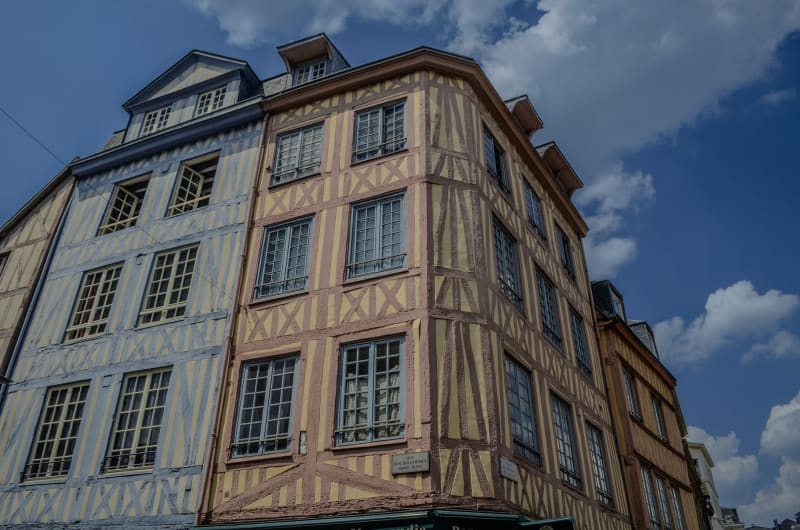 champagne-region
Troyes
A medieval city shaped like a champagne cork, its half-timbered streets preserved by accident and its andouillette sausage eaten with pride.
Explore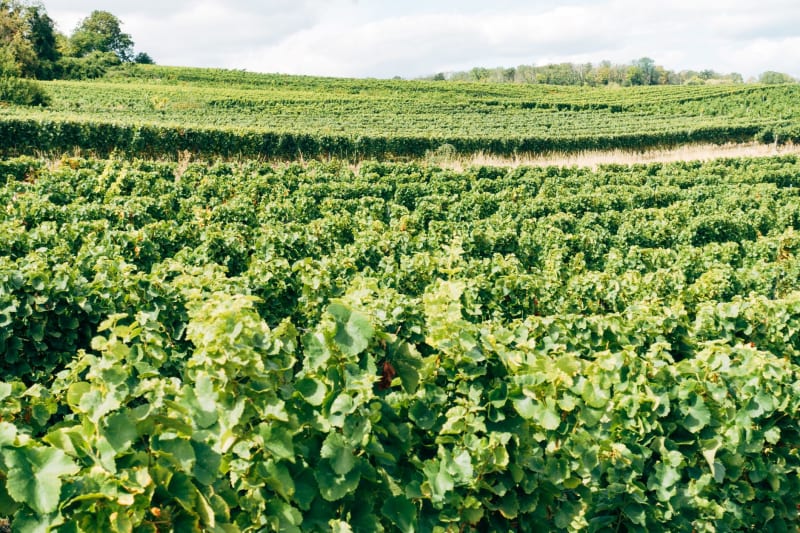 champagne-region
Vallée de la Marne
The river that carved champagne country's heart runs through a valley of Pinot Meunier vines, canal boats, and villages that have never bothered with fame.
Explore