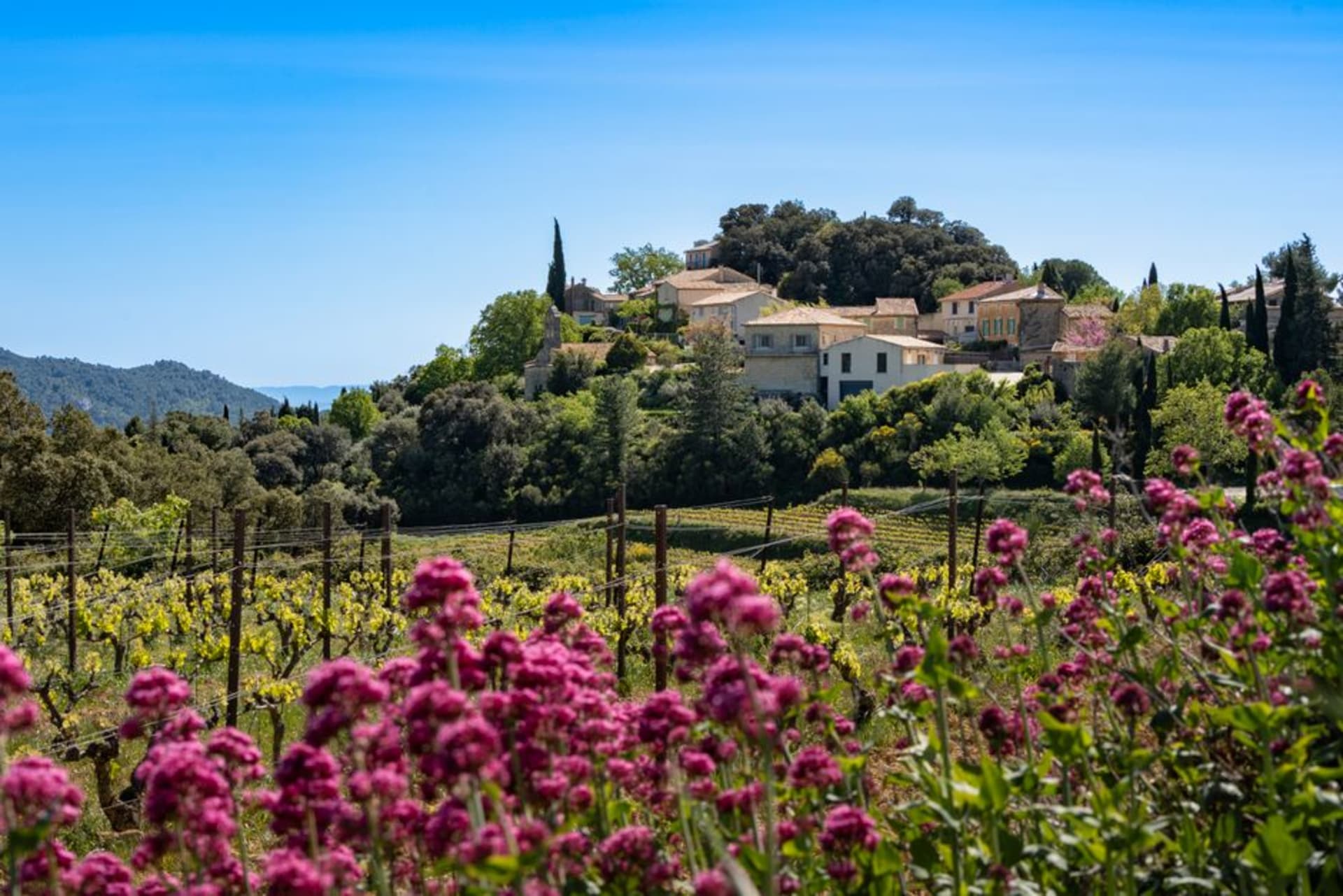
Oger
"A grower in Oger told me the chalk under our feet was basically the same rock as Champagne itself, sixty meters deep, and I haven't looked at a glass of Blanc de Blancs the same way since."
A grand-cru Chardonnay village at the heart of the Cote des Blancs, all pale limestone houses and immaculate vine rows.

Oger is the kind of village you could drive through in ninety seconds and not think twice about, except that it happens to sit in the middle of some of the most highly regarded Chardonnay terroir on earth. We came from Cramant, following the Cote des Blancs south, and the villages here — Oger, Le Mesnil-sur-Oger, Avize — all blur together a little on a map but feel distinct once you’re actually standing in them. Oger’s houses are built from a pale, almost chalky limestone that seems to glow at the end of the day, and the vines start almost at the back doors, no buffer, no transition, just village and then Chardonnay.
We stopped at a small grower’s cellar recommended by someone we’d met two days earlier in Cramant, one of those word-of-mouth chains that end up being the best part of any wine trip. The cellar was cut straight into the chalk bedrock, cool enough that Lia put her jacket back on halfway through the tour, and the grower explained that the same chalk running under our feet is what gives the Cote des Blancs its minerality — a soft white limestone, deposited when this whole area was under a shallow sea some seventy million years ago, that holds water and reflects heat back up into the vines. It’s the kind of detail I’d read before in passing but that landed differently standing in the actual tunnel.

The Blanc de Blancs we tasted there was sharper and more mineral than anything we’d had further south near Sezanne a couple of years back on a different trip, all citrus and wet stone, no roundness to soften it yet. The grower said Oger’s wines need more patience than people give them, and that most of what leaves the village goes straight into blends for the big houses, uncredited, which struck me as a little unfair given how specific the place tastes.
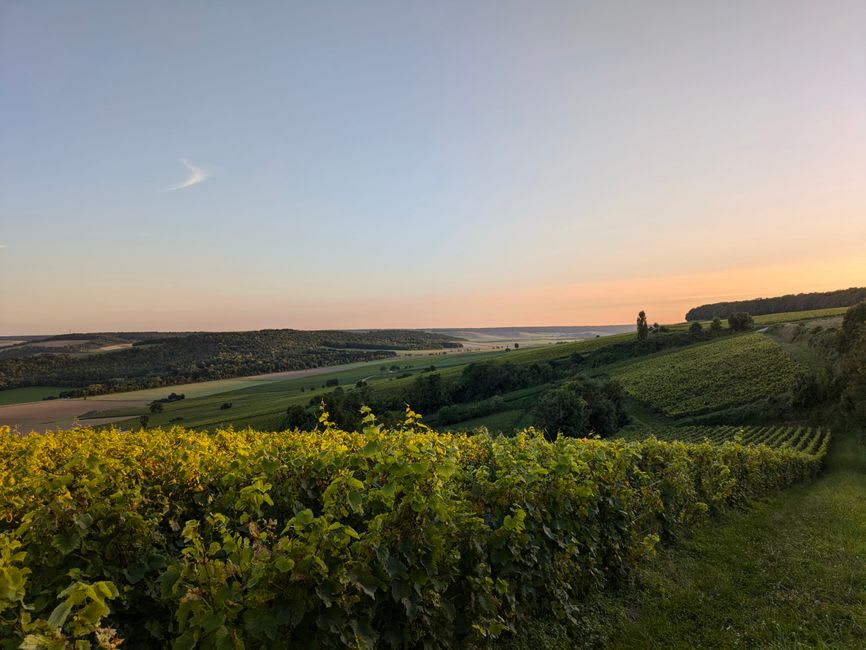
We walked the vine paths above the village afterward, gravel tracks between rows so tidy they looked hand-groomed, which apparently they nearly are — Cote des Blancs growers are notoriously meticulous. From up there you can see across to Le Mesnil and Cramant and, further off, the hazy line where the Cote des Blancs gives way to the flatter land toward Sezanne. It’s a small enough view that you can hold the whole appellation in your head at once, which isn’t something you can say about most wine regions.
When to go: September for harvest, when the villages are busiest with pickers and growers are most likely to open a cellar door for a passing question.
Keep exploring
More from Champagne Region
 champagne-region
Reims
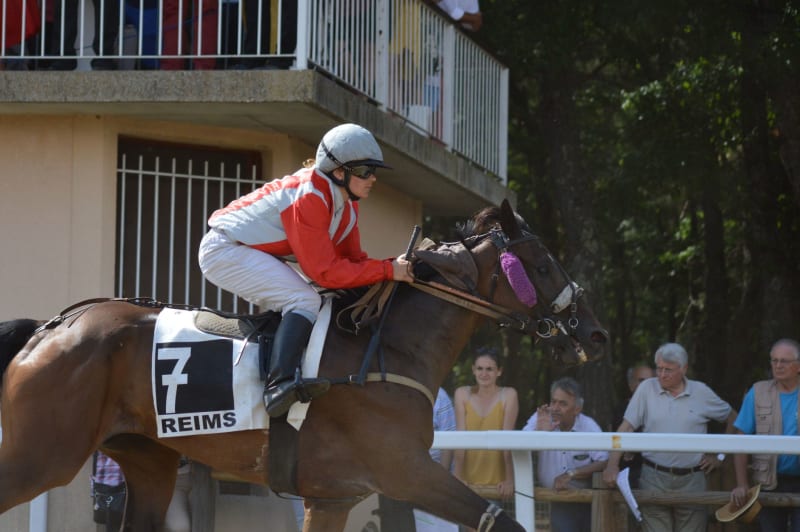
A coronation city where Gothic stone still bears the scorch marks of war and the cellars run deeper than any king's ambition.
Explore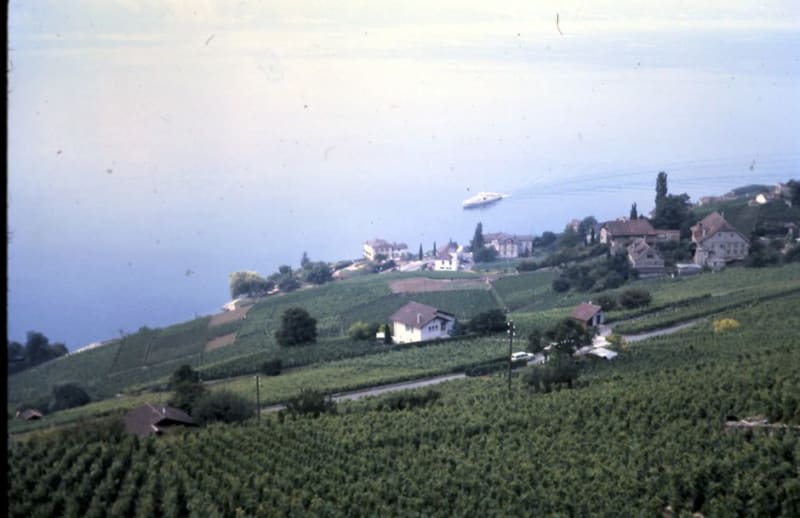 champagne-region
Sezanne
A hillside wine town on the Cote de Sezanne escarpment, all steep vine rows and quiet arcaded streets, south of the more famous Cote des Blancs.
Explore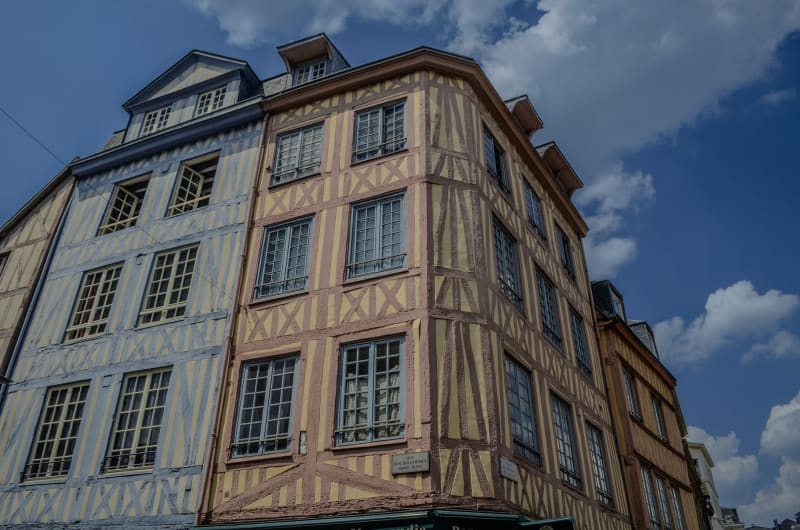 champagne-region
Troyes
A medieval city shaped like a champagne cork, its half-timbered streets preserved by accident and its andouillette sausage eaten with pride.
Explore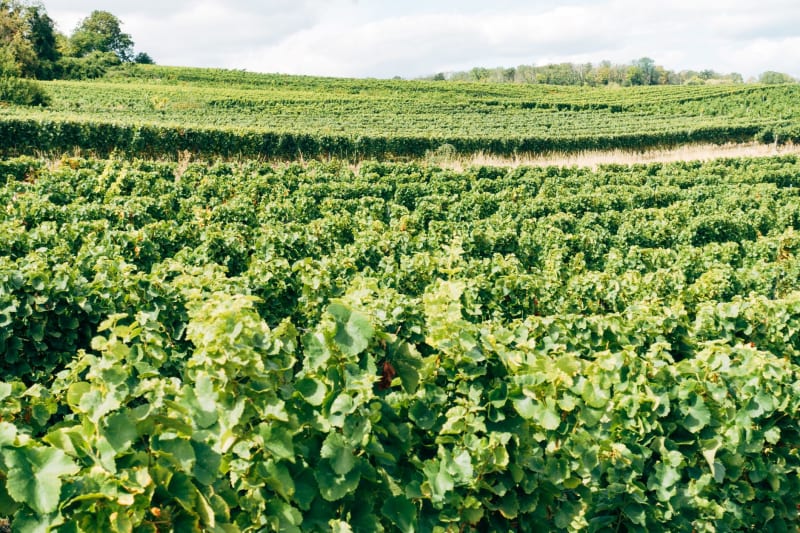 champagne-region
Vallée de la Marne
The river that carved champagne country's heart runs through a valley of Pinot Meunier vines, canal boats, and villages that have never bothered with fame.
Explore champagne-region
Verzenay
A grand cru hilltop village with a lighthouse in its vineyards and a view north over the plain that makes every glass of Pinot Noir taste like a declaration.
Explore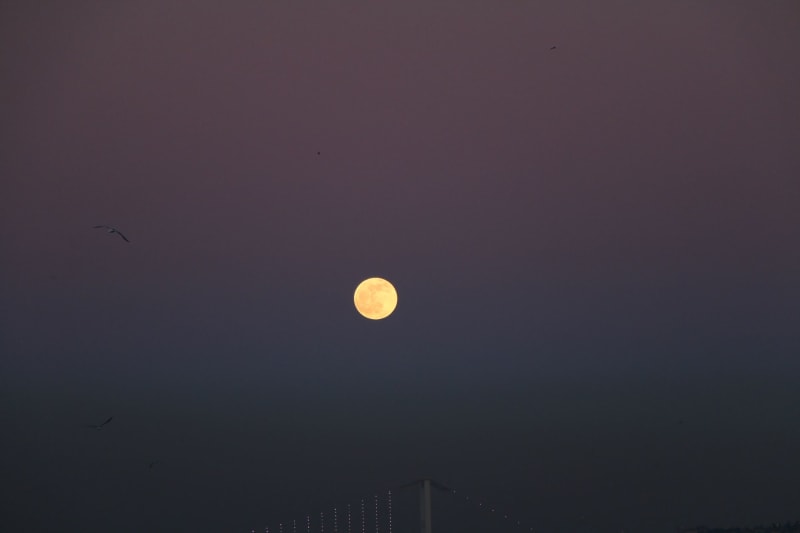 champagne-region
Aÿ
A small premier cru town on the Marne where Bollinger ages its vines and the whole place smells of oak barrels and very old money.
Explore