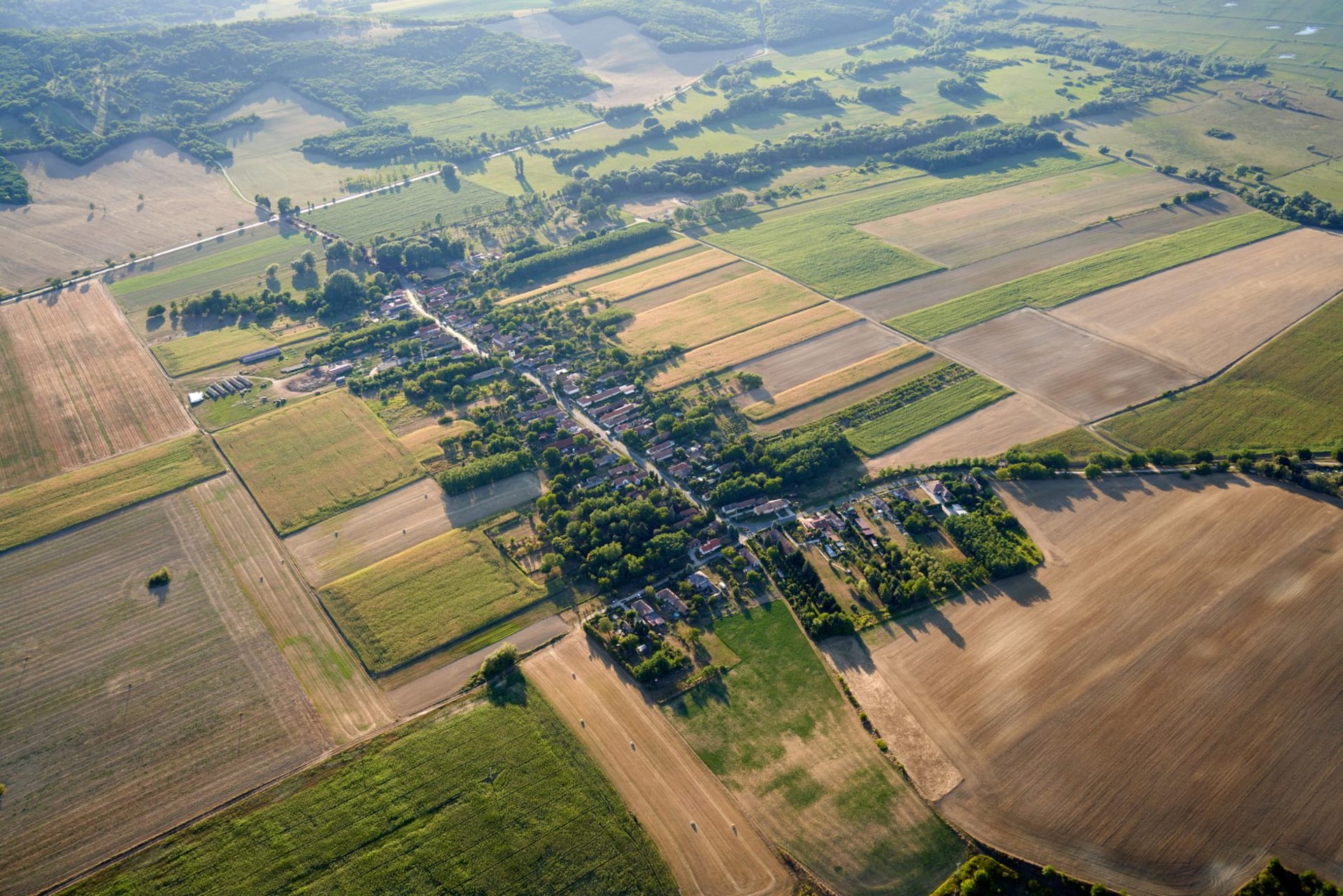
Hautvillers
"Standing where Dom Pérignon stood, looking at the same valley — some origins are worth the pilgrimage."
Every wine village in the world has a creation myth. Hautvillers has Dom Pérignon, which is arguably the most famous origin story in all of fermented grape history, and which is also, like most origin stories, considerably more complicated than the legend suggests. The monk did not — the historical record is clear on this point — invent Champagne by crying “come quickly, I am drinking stars.” What he did do, working in the abbey cellars here from 1668 until his death in 1715, was perfect the art of blending grapes from different plots and villages to create a consistent, complex cuvée. He was also among the first to use thick English glass and cork stoppers, which allowed the secondary fermentation to happen in the bottle without everything exploding. Hautvillers gave the world not a single invention but a set of practices, patiently refined over forty-seven years by a man who was apparently going blind by the end and tasting everything by memory.
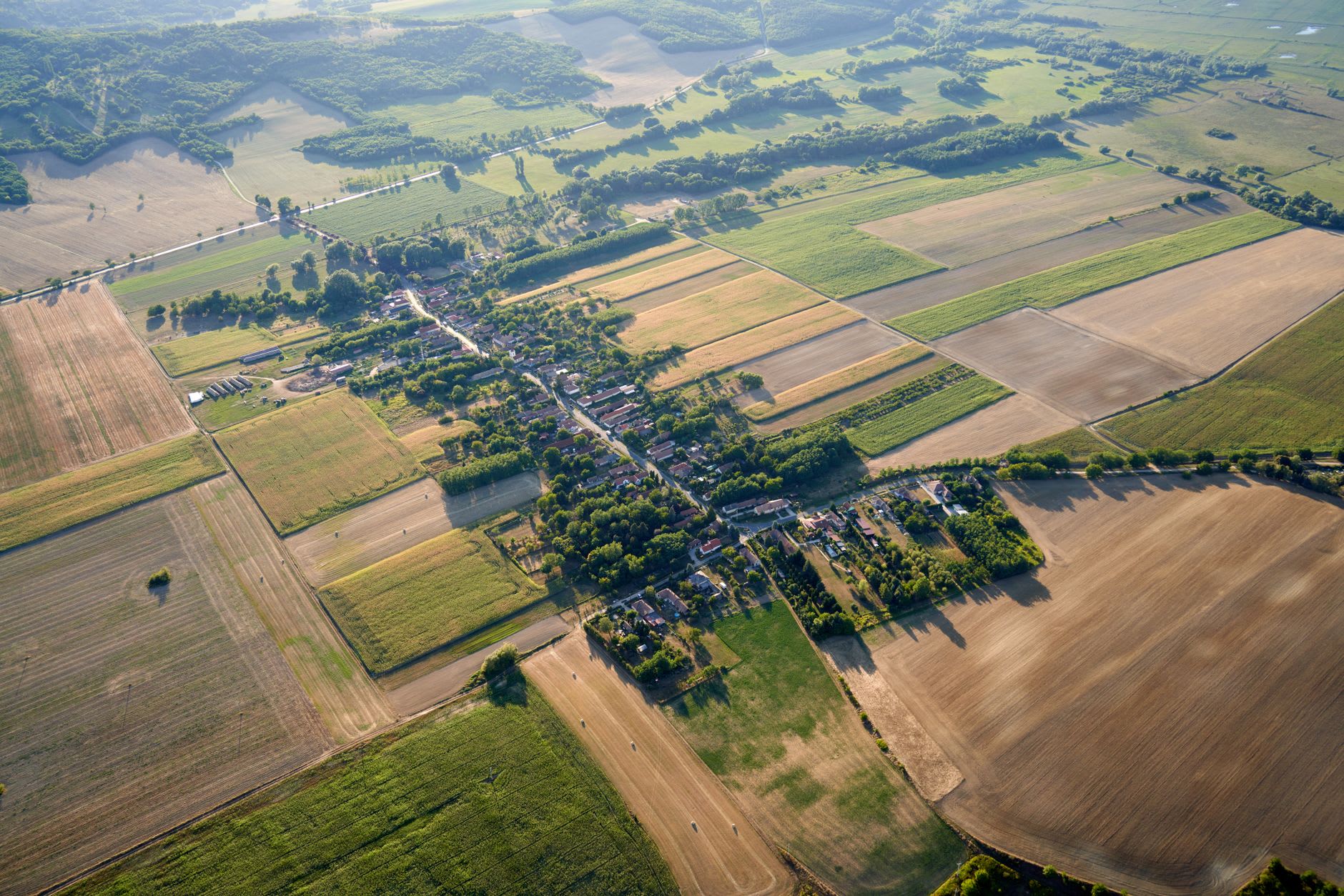
I walked up from the valley one clear November morning, the vines stripped of their leaves and turned rust-red and gold, the chalk soil white where it showed between the rows. The village sits on a narrow ridge above the Marne, and the view from the main square on a good day extends across fifteen kilometers of vine-covered slopes — the same view Dom Pérignon had, give or take some modern road signs. The houses here all wear wrought-iron signs above their doors depicting their owners’ trades — scissors for the tailor, a barrel for the coopers, a bunch of grapes for the vignerons — an old Champagne tradition that Hautvillers has preserved with evident civic pride. The effect is of a village that has decided, collectively, to be picturesque, and has succeeded without quite tipping into self-parody.
The abbey church, which Moët & Chandon now owns, holds Dom Pérignon’s grave behind the altar — a plain black marble slab, the inscription worn smooth, a bunch of fresh grapes left by someone in a small vase. I stood there for longer than I expected. There is something about standing at the grave of someone whose work is so completely embedded in a whole culture’s idea of celebration that it makes the ordinariness of the stone — just a man, just a room, just a village — feel almost unbearably moving.
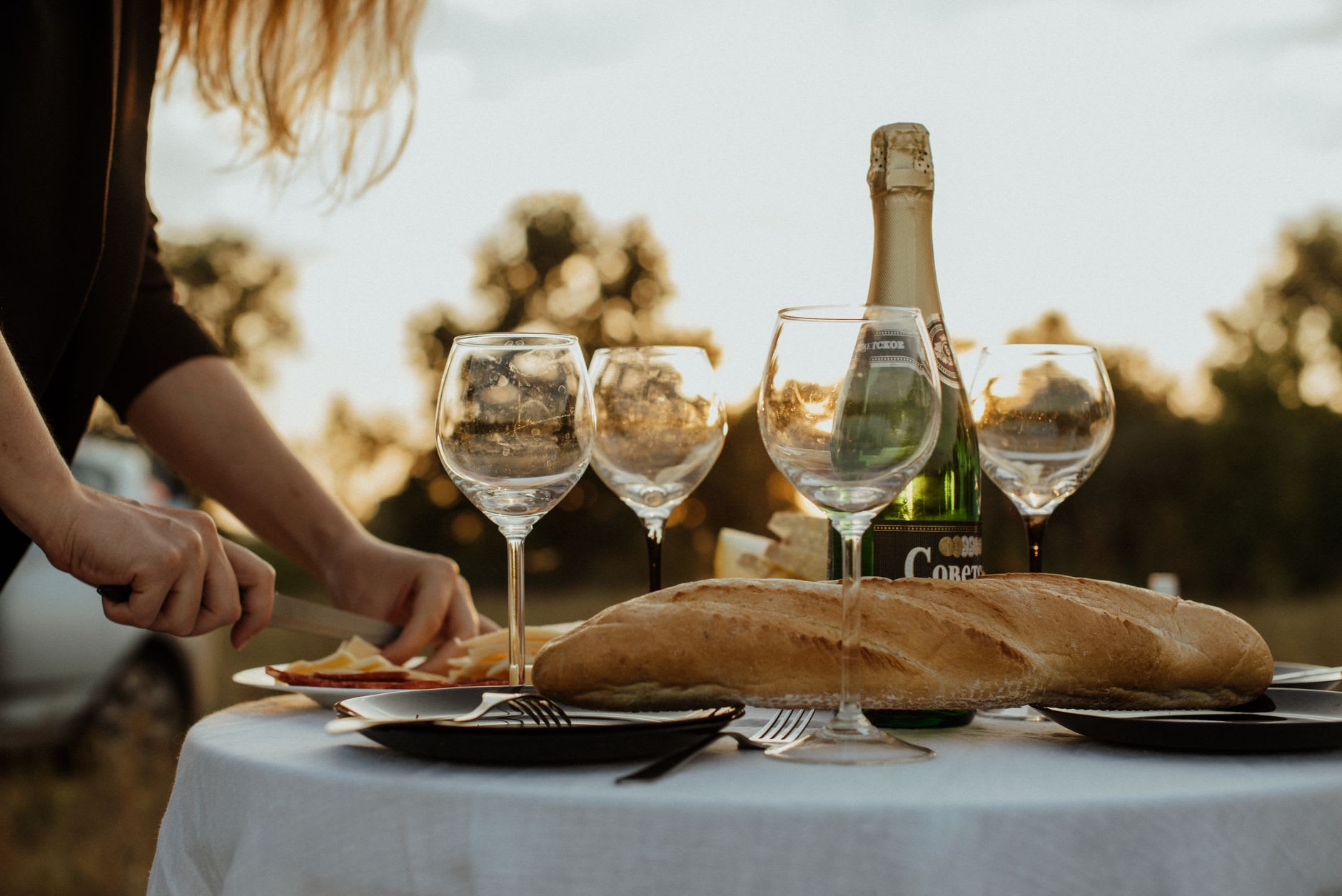
Lunch at the village’s one reliable bistro was andouillette with mustard sauce and a carafe of the house Blanc de Blancs, poured without ceremony by a proprietor who clearly found my interest in Dom Pérignon faintly amusing. “He’s been dead three hundred years,” she said, refilling my glass. “The wine is still alive.” She wasn’t wrong.
When to go: October for the harvest, when the slopes are red-gold and the valley fills with morning mist each day until about ten o’clock. Spring — late April through May — when the new leaves make the whole hillside shimmer bright green and the roads between the villages are nearly empty. November, when the tourist coaches have gone and the village returns to itself, is underrated.