Épernay
"There is more money underground on this one street than I will see in ten lifetimes. That feels right, somehow."
The Avenue de Champagne is not a subtle place. It is a long, ruler-straight boulevard of limestone mansions — Moët & Chandon, Perrier-Jouët, Pol Roger, Castellane — each one grander than the last, as if the houses were in quiet architectural competition over who could best express what obscene wealth looks like when it has very good taste. I arrived at dusk when the limestone was going amber and the gates were locked for the night. A pair of Japanese tourists photographed the Moët sign. A cat crossed the road in front of me with the unhurried authority of something that has always lived well. I walked the full length of it and back again, feeling the peculiar mix of admiration and absurdity that this street reliably produces.

What the avenue doesn’t show you is what’s beneath it. The cellars run for miles under the town and the surrounding slopes, a cold chalk labyrinth where bottles sleep in the dark for years at a time. The Mercier house — which I prefer to Moët for its complete lack of pretension — offers a laser-guided train ride through seventeen kilometers of galleries carved out of the chalk by two thousand workers starting in 1871. The temperature down there is a constant ten degrees, the air smells of chalk dust and yeast, and the riddling racks hold their bottles at a precise 45-degree angle. Every bottle turned a quarter-turn each day by hand. My guide explained this with the matter-of-fact pride of someone describing a system that has worked for 150 years and sees no reason to stop.
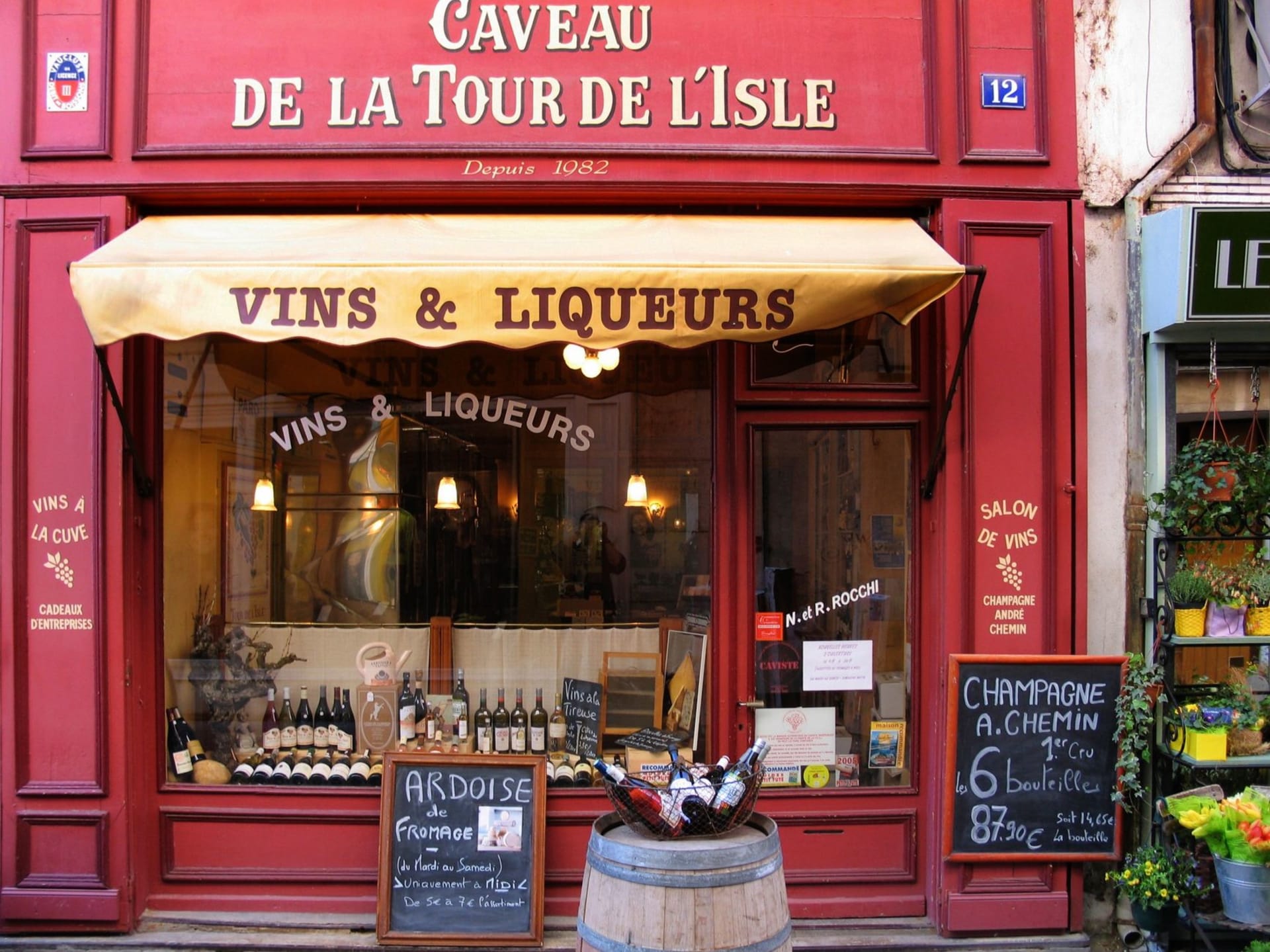
Between the grand houses there are smaller cellars, grower-producer operations that occupy converted townhouses and sell direct from a kitchen table. I bought a bottle of Blanc de Noirs from a woman whose family has grown grapes on the same plot since 1923. She poured me a taste without being asked. It was rounder and wilder than anything on the avenue, with a faint red-fruit note that surprised me. She seemed pleased that I noticed.

The town above the cellars is quietly pleasant without being remarkable — a few good bistros, a covered market on Saturday mornings where local vignerons sell their bottles alongside farm cheese and andouillette, a municipal garden with a fountain. The real attraction here isn’t what you can see. It’s what you can taste. The Champagne Bar de l’Hôtel de Ville serves flights by the glass, which means you can spend an afternoon working through a Blanc de Blancs, a Blanc de Noirs, and a rosé from three different houses, taking notes, and feeling extremely justified about calling it research.
When to go: September through October is vendanges season — the harvest — when the presses run day and night and the whole town smells of fermenting juice. Early May, when the vines are just leafing out and the day-trippers haven’t arrived yet, is the most peaceful window for serious cellar visits.