Côte des Blancs
"The chalk here is so white it hurts your eyes in full sun. The Chardonnay it grows is worth every squint."
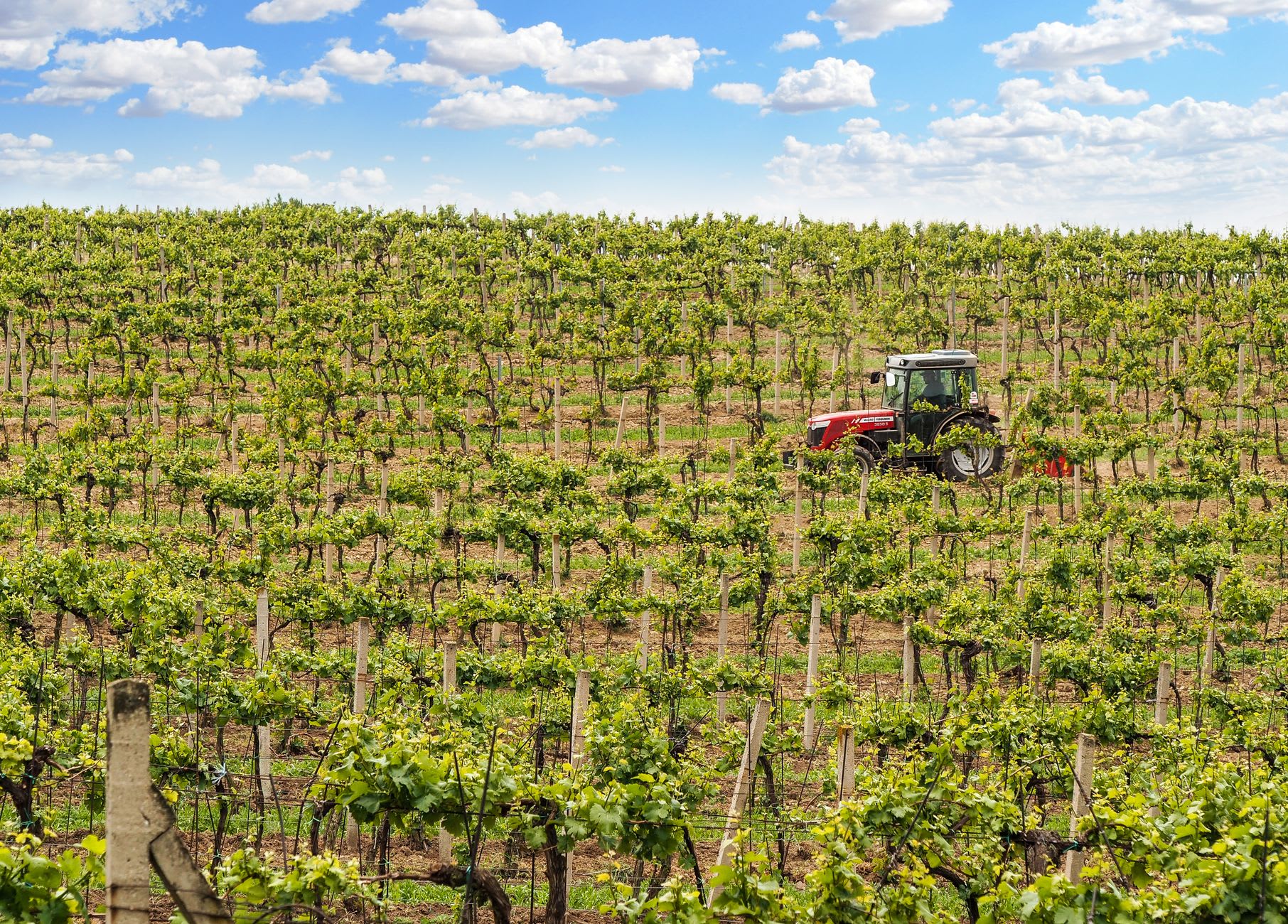
You notice the chalk first. South of Épernay, the ridge of the Côte des Blancs rises on the eastern side of the road, and the soil on the steep slopes isn’t brown or ochre or the deep red you see in Burgundy — it’s white. Blindingly, almost absurdly white, the topsoil thin enough that the chalk parent rock shows through everywhere between the vine rows, reflecting the autumn sunlight back up into the canopy from below. In the afternoon light the slopes have an almost lunar quality. You understand immediately why the wine tastes the way it does: mineral, precise, electric, with a citrus brightness that seems to come directly from the ground rather than from the grape.
The villages on the ridge have the somewhat austere self-possession of places that know exactly what they produce and feel no need to advertise it. Cramant, Avize, Oger, and Le Mesnil-sur-Oger are strung along the slope like a necklace of grand cru sites, each one associated with a style of Blanc de Blancs — the Champagne made exclusively from Chardonnay — that the serious wine world discusses with the reverence usually reserved for Burgundy or Bordeaux. Le Mesnil, in particular, has an almost mythological status: the Krug Clos du Mesnil is a walled two-hectare garden in the middle of the village, and its wine, when you find a bottle, costs about the same as a decent secondhand car. I had no wine like that. I had a Blanc de Blancs from a small récoltant in Avize that cost me eleven euros and tasted like chalk dissolved in sparkling water, in the best possible way.
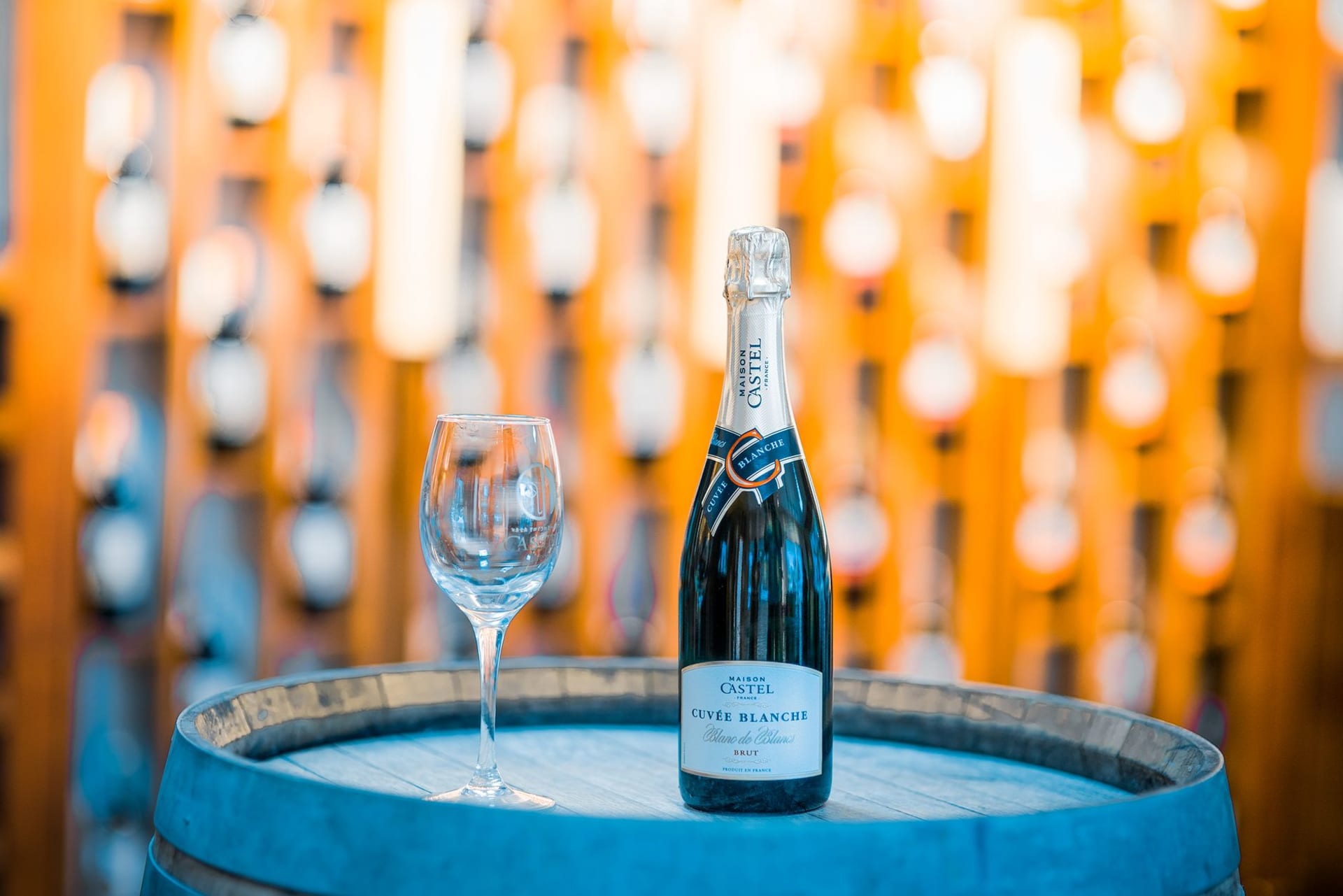
At a cooperative in Cramant I asked the woman behind the counter to recommend her favorite bottle in the shop. She thought for a moment, then handed me a non-vintage Blanc de Blancs that she described only as “what Cramant tastes like when it’s feeling honest.” It was green-gold in the glass, the bubbles fine and persistent, the nose all fresh lemon and wet flint. On the palate it was precise and almost austere at first, then it softened into something long and creamy. I drank half of it that evening on the steps of my rental house, looking at the vine rows going blue-grey in the dusk, and I didn’t write a single note about it. Some things resist notation.
The villages themselves are quiet, lived-in, the kind of French agricultural communities where the boulangerie closes at noon and the only café is attached to a tabac that also sells diesel canisters. There is no tourist infrastructure to speak of. You need to call ahead, show up at the arranged time, and accept whatever the vigneron decides to pour you. This is not a hardship.
When to go: Harvest — mid-September to early October — when the white chalk slopes are alive with pickers and tractors, and every cooperative is running its press through the night. Late April through May, when the Chardonnay shoots are just unfurling in the cold chalk light, is quieter and equally beautiful. Avoid July and August — the windows are shut, the cellars are locked, and the vignerons are on holiday.