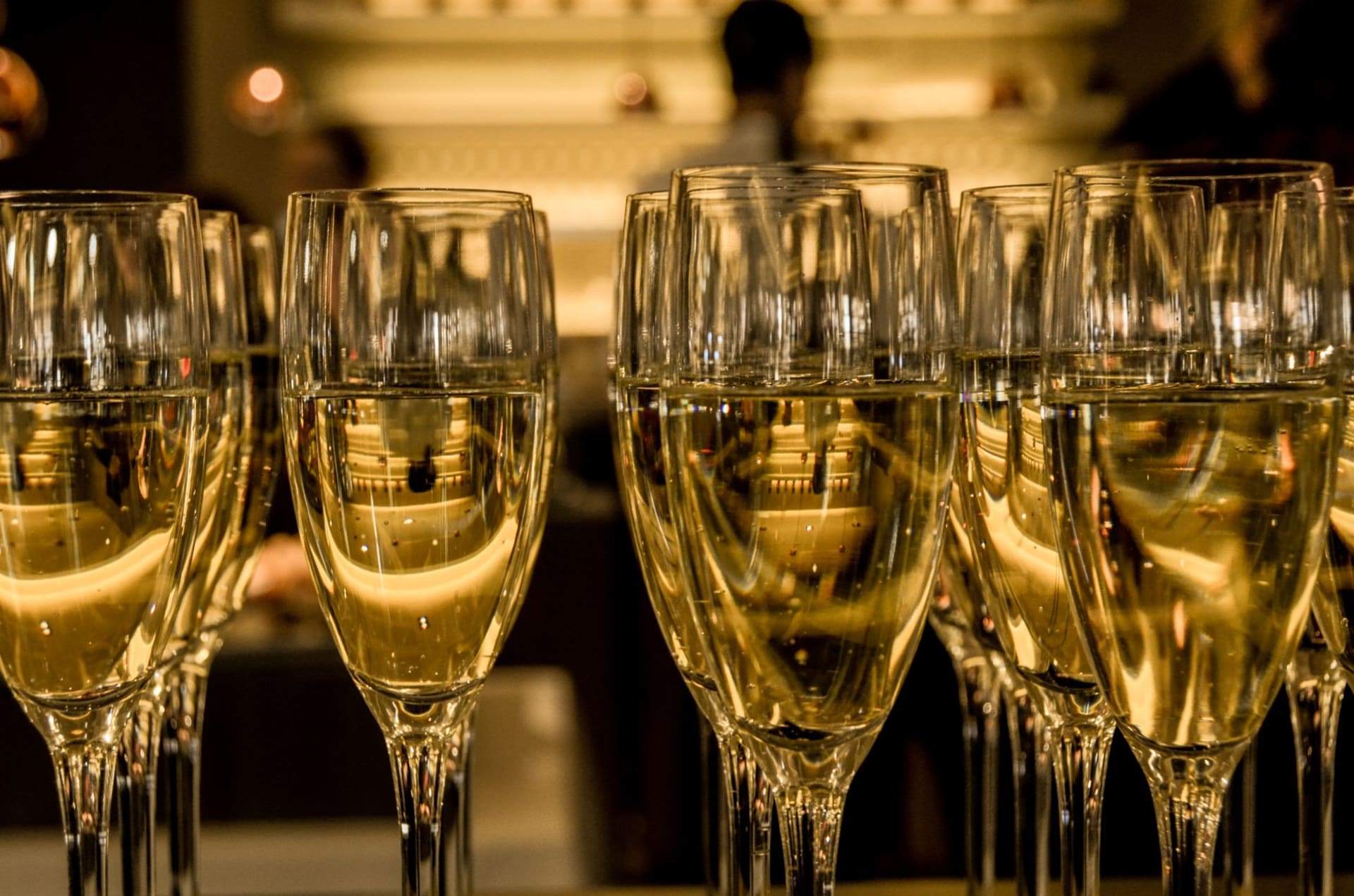
Côte des Bar
"The north has the famous names. The south has the interesting wine. Guess where I keep ending up."
Drive south from Troyes for forty-five minutes and the geography of Champagne changes entirely. The flat chalk plain that stretches from Reims to the Côte des Blancs — that particular northern severity, the white topsoil and the cold air — gives way to something more rugged and Burgundian: limestone cliffs, forested valleys, the Aube and Seine rivers cutting through vine-covered hillsides that look nothing like the manicured perfection of Épernay. This is the Côte des Bar, and it accounts for roughly a quarter of all Champagne production while receiving about a tenth of the attention. I drove down on a grey April morning and didn’t leave for four days.
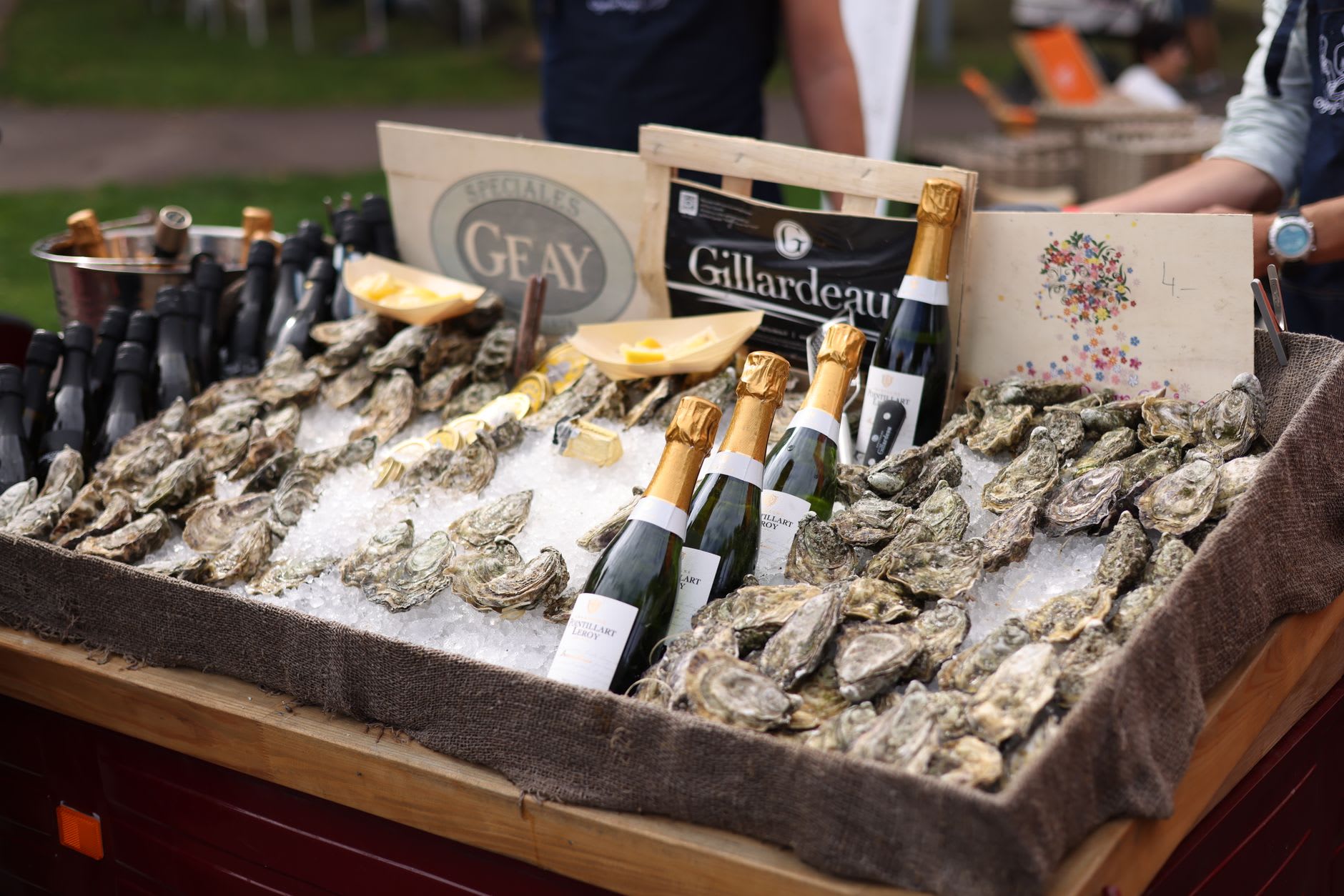
The soil here is Kimmeridgian — the same ancient seabed limestone that underlies Chablis and the grands crus of Burgundy, full of fossilized oyster shells and marine sediment, completely different from the pure chalk of the northern Marne. Pinot Noir is the dominant variety, planted on slopes that face south and east, and the wines have a particular richness and red-fruit amplitude that is distinct from the austerity of Marne-grown grapes. For decades this was considered a limitation — the grandes maisons used Aube fruit as a blending component, a source of weight and color rather than of character. Then a generation of growers decided to prove the critics wrong, and they largely succeeded.
I visited Cédric Bouchard — or at least tried to, unsuccessfully — and ended up at a neighbor’s domaine instead, a young woman who’d converted her family’s polyculture farm into a biodynamic Champagne operation over eight years. She took me through her plots: the old-vine Pinot Noir on the steepest part of the slope, the experimental Chardonnay on the plateau, a small parcel of Pinot Blanc she was trialing for the first time. Her wines were unlike anything I’d tasted in the north — darker, wilder, with a savory mineral quality that made me think of meat and mushrooms rather than apple and chalk. “People tell me it doesn’t taste like Champagne,” she said. “I take that as a compliment.”
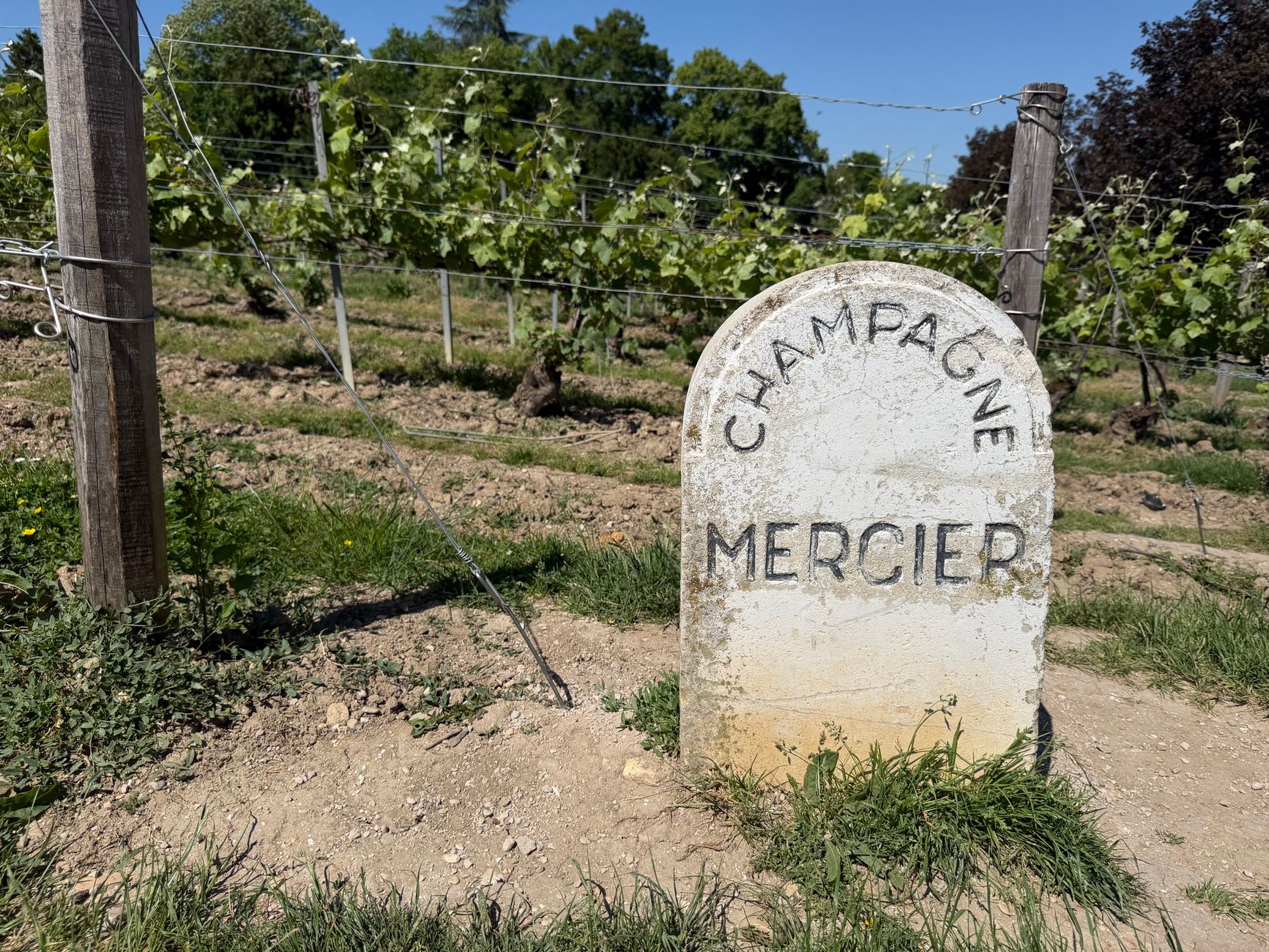
Bar-sur-Seine and Bar-sur-Aube are the two main towns, both small and pleasantly unassuming — markets on weekday mornings, a café or two, stone churches with good Romanesque details. The landscape between them is lovely in any season: rolling hills, the rivers winding through willows, the occasional cliff face of pale limestone above a vineyard. Logistically, this is car country — the domaines are scattered across dozens of villages and public transport is essentially theoretical. But with a car and a good map, you can spend three days doing almost nothing except driving small roads, stopping when you see a sign, and tasting wine from people who are genuinely happy to see you.
When to go: The Côte des Bar’s relative obscurity means it rewards visits in spring and autumn when the northern Champagne villages are mobbed. April and May, when the limestone slopes are bright with new growth, is ideal for unhurried cellar visits. October harvest is beautiful along the Aube and Seine valleys, the cliffs going copper and the presses running through the night.