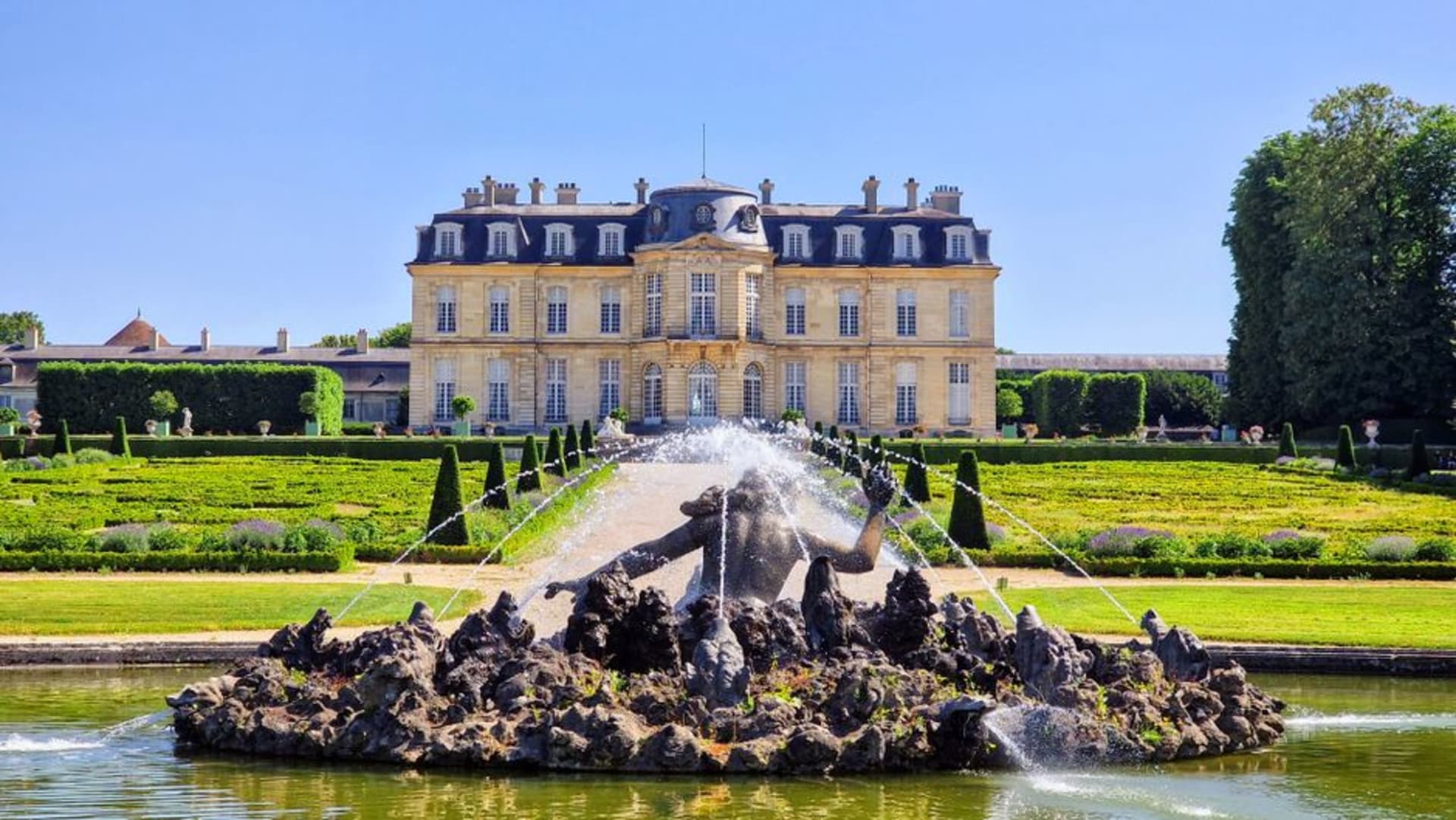
Chateau-Thierry
"I stood at the ruined castle walls above town and realized this was the same ground Americans died fighting over in 1918, then went back down the hill for a glass of Champagne."
A Marne River town at Champagne's western edge, birthplace of the fabulist La Fontaine and scarred ground from two world wars.

Chateau-Thierry doesn’t quite fit the mental picture most people have of the Champagne region, and that’s part of why I liked it. It sits right where the vineyards start to thin out into the wheat country of the Ile-de-France, on a bend of the Marne overlooked by the ruins of the medieval chateau that gives the town its name. We came in from the west, driving out from a weekend in Paris, and the vines only really appear once you’re already climbing out of the valley — a very different first impression than arriving from Epernay, where you’re surrounded by rows before you even see a town.
The town’s most famous son is Jean de La Fontaine, whose fables I’d half-forgotten from French primary school until we walked past his childhood house, now a small museum, and I found myself reciting bits of “Le Corbeau et le Renard” to Lia in the street like an idiot. There’s a statue of him near the town hall too, fox and crow included, and it gave the whole visit an unexpected literary detour I hadn’t planned for. I liked that Chateau-Thierry wears its history a little more visibly and a little less commercially than the big Champagne houses do — you’re not being sold anything walking those streets, you’re just in a French town that happens to have a famous writer and a ruined castle.

The other layer, heavier, is the war history. This was the front line in 1918, where American troops fought some of their bloodiest battles of the First World War at Belleau Wood, a few kilometers north, and there’s an American cemetery on a hillside outside town that we visited almost by accident after a wrong turn. Rows of white crosses against green grass, quiet except for wind, and it recontextualized everything else we’d seen that day — the castle ruins partly date from earlier sieges, but the town itself was leveled more than once in the twentieth century and rebuilt.
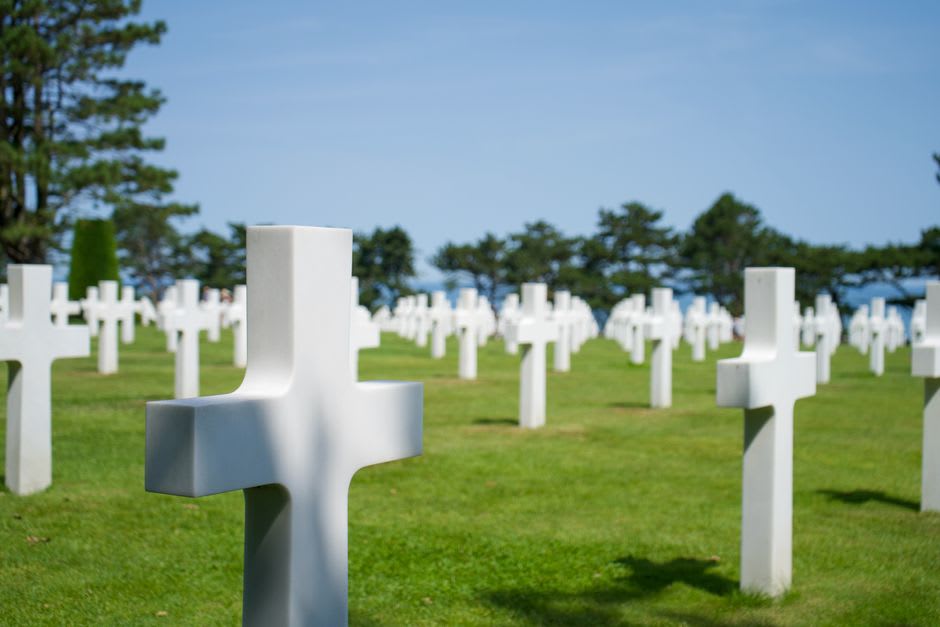
We ended the day back down by the river with a bottle from a small producer near Essomes-sur-Marne, drinking it on a bench looking up at the chateau ruins going orange in the evening light. Lia said it was the most contemplative stop of the whole Champagne trip, and she wasn’t wrong — everywhere else we’d been was about tasting and buying, and Chateau-Thierry was the one place that made us just sit and think for a while.
When to go: Spring, when the cemetery grounds and the river valley are green and the crowds from Paris day-trippers haven’t picked up yet.
Keep exploring
More from Champagne Region
 champagne-region
Colombey-les-Deux-Églises
The quiet Haute-Marne village where Charles de Gaulle lived, died and is buried, marked by a giant Cross of Lorraine that you can see long before you arrive.
Explore champagne-region
Côte des Bar
The Champagne region's wild south, where Kimmeridgian limestone meets Pinot Noir and a new generation of growers is making wine that embarrasses the grandes maisons.
Explore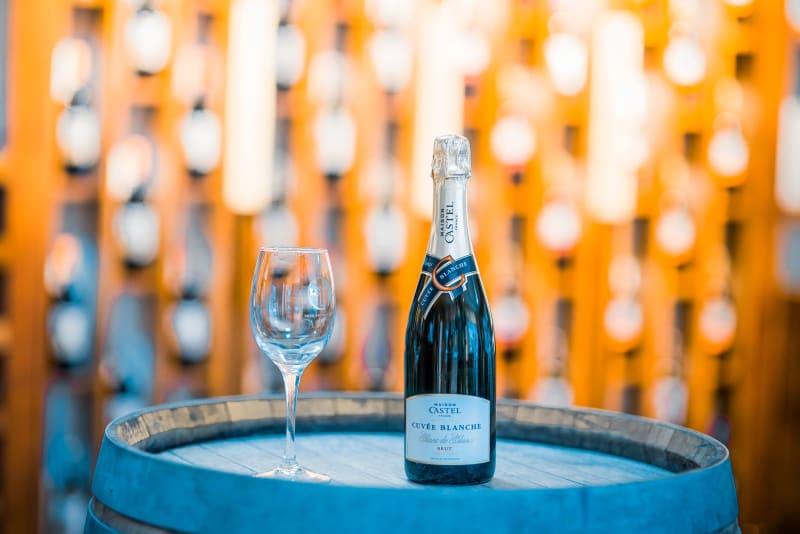 champagne-region
Côte des Blancs
A south-facing chalk ridge below Épernay where Chardonnay reigns on pure white soil and the wine tastes like a cold bright morning in a glass.
Explore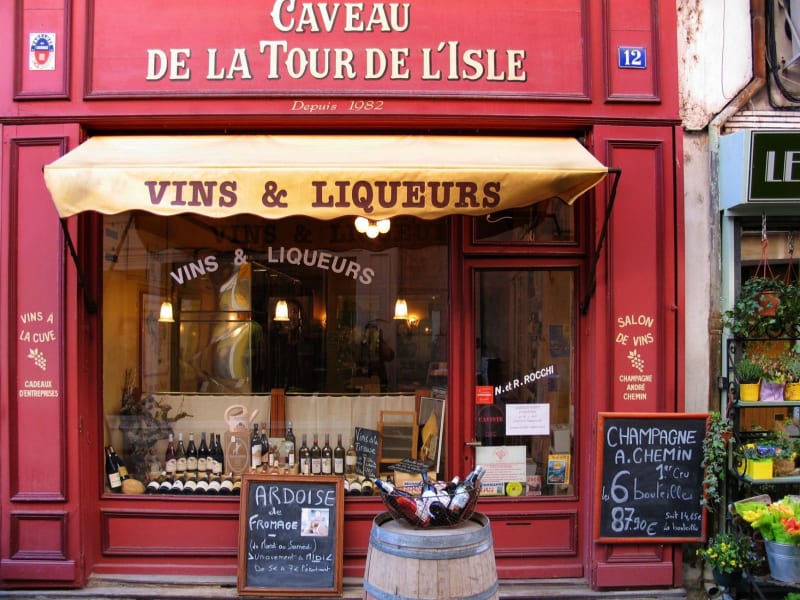 champagne-region
Épernay
A single avenue where the world's greatest Champagne houses sit shoulder to shoulder above seventeen billion euros of wine aging underground.
Explore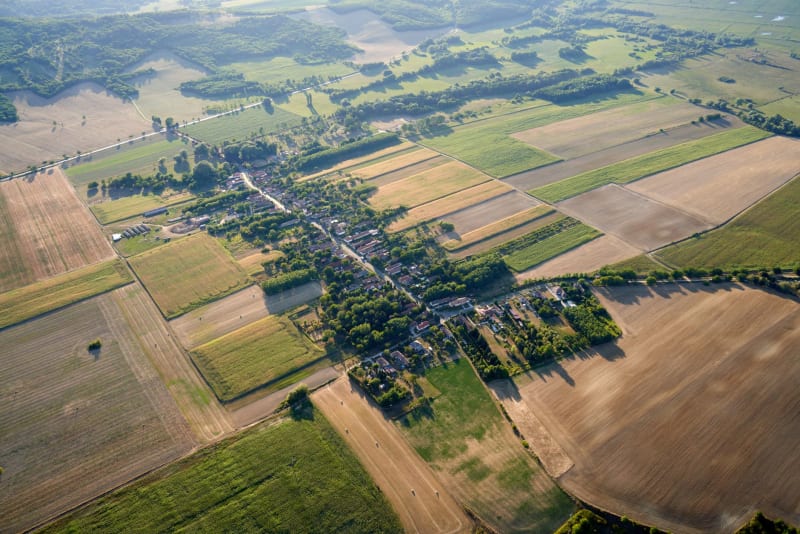 champagne-region
Hautvillers
The hillside village where Dom Pérignon worked, with wrought-iron signs on every house and a view over the Marne valley that explains everything.
Explore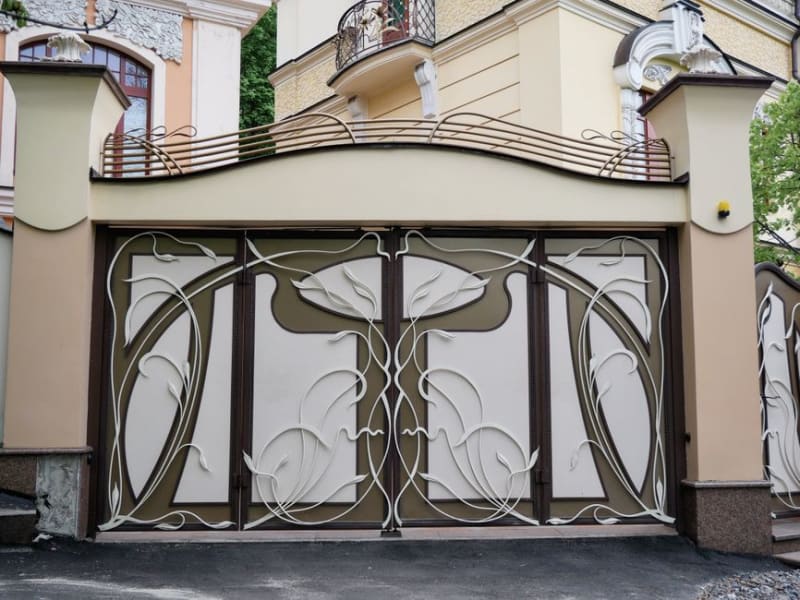 champagne-region
Mareuil-sur-Ay
A grand-cru village along the Marne where historic champagne houses line quiet streets, overshadowed by its more famous neighbor Ay.
Explore