
Châlons-en-Champagne
"Every guidebook calls it 'the little Venice of Champagne' and then moves on. That's fine — more canals for me."
Châlons-en-Champagne does not try very hard to be noticed. It is the prefecture of the Marne department, the administrative center of the whole Champagne region, and it has been quietly doing this administrative work since the Romans established a camp here two thousand years ago, generally without attracting the pilgrimages that go to Reims or the wine tourism that goes to Épernay. I arrived on a Tuesday afternoon having read almost nothing about it, checked into a small hotel near the old town, and walked out to find a city of canals so genuinely beautiful that I stood on the first bridge I crossed and simply looked for a long time.
The Nau and the Mau, two arms of the Marne that were canalized centuries ago, run through the center of town past half-timbered houses whose upper floors lean out over the water with the casual confidence of things that have been leaning for four hundred years. The effect is of a provincial city that accidentally assembled itself into a scene from a Vermeer painting and then never got around to changing. On the canal’s edge, a pair of swans. A fisherman with a thermos. A plastic chair someone had dragged out from a café and positioned at the exact right angle to catch the afternoon sun. The canal life here has an unhurried, unphotographed quality that I found more restoring than anything on the Avenue de Champagne.
The churches are the other great draw, and they are largely empty of visitors. The Collegiate Church of Notre-Dame en Vaux has a Romanesque tower from the 12th century and a Gothic nave added a century later, and its interior holds the famous demolished Romanesque cloister whose carved capitals — recovered in pieces during 1960s excavations — are now displayed in the adjacent museum with the care usually given to ancient Greek sculpture. I was the only visitor on the afternoon I went. A security guard followed me around at a respectful distance, not from suspicion but from loneliness, and when I paused in front of a particularly fine capital of intertwined figures, he leaned over and told me his name and the year he’d started working there and that the figure on the left was probably Samson. I thanked him. He seemed genuinely pleased.
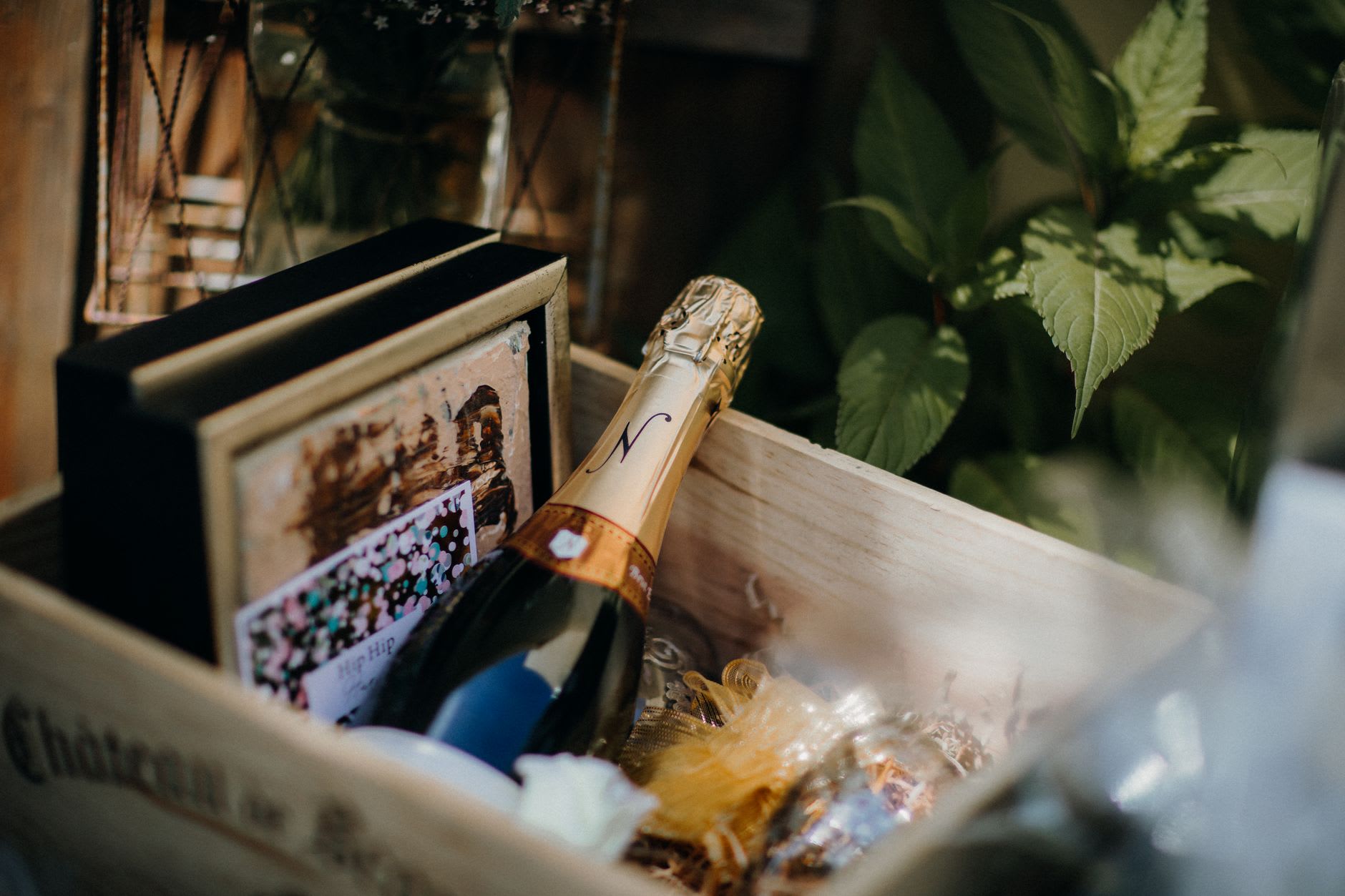
The market on Wednesday and Saturday mornings fills the old town with the particular noise and smell of a working French covered market — the rotisserie chickens dripping fat, the fromager with forty varieties on a single trestle table, the stalls of local wines from the surrounding villages. I bought a bottle of grower Champagne from a man who had driven in from a village outside Vertus specifically to sell at this market every Wednesday for twenty years. His Blanc de Blancs was eight euros. It was very good.
When to go: Châlons rewards visits in any season precisely because it isn’t primarily a harvest-dependent wine destination. The spring canal reflections are beautiful — late April through June, the willows leafing out and the light long. December is surprisingly charming: the Christmas market on the cathedral square, the canals black and still and lit from the bridges. Summer works well too, with café terraces running along the waterways until late evening.